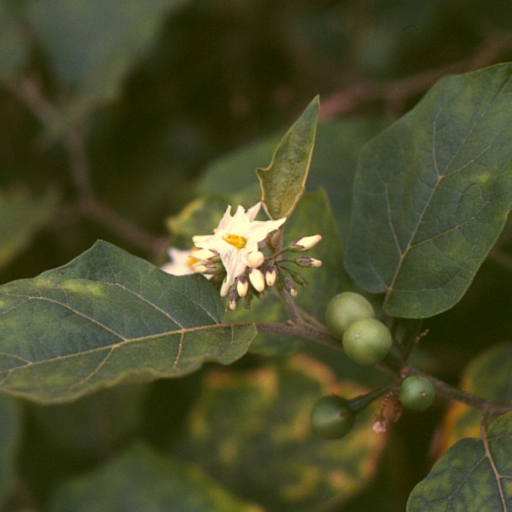
Plant Overview
Often called the Turkey Berry, Devil’s Fig, or Thai Pea Eggplant, Solanum torvum is a globetrotting shrub that bridges the gap between wild weed and culinary treasure. Originating in the Caribbean and Central America, it has traveled the world, becoming a staple in Southeast Asian and Indian kitchens while simultaneously gaining a reputation as a resilient, prickly survivor in the wild.
🔍 How to Identify
- 🌿 Spiny Stems: The plant grows as a bushy shrub, often reaching heights of 6 to 10 feet. Its branches are armed with sharp, curved prickles that demand respect when pruning.
- ⭐ Starry Blooms: It produces clusters of delicate, white flowers with five petals and a bright yellow "beak" of anthers in the center, typical of the nightshade family.
- 🟢 Cluster Berries: The most iconic feature is the fruit—small, green, pea-sized berries that grow in heavy bunches. They turn a dull yellow when fully ripe but are usually harvested while green.
🏡 In Your Garden
- ☀️ Sun-Loving Survivor: This plant is incredibly hardy and thrives in full sun. It isn't picky about soil and can even grow in poor, disturbed ground where other plants might struggle.
- ✂️ Pruning Management: Because it can become quite "leggy" and invasive in warmer climates, regular pruning is necessary. This also helps you manage the thorns and encourages more fruit production for the kitchen.
⚠️ Safety & Toxicity
- 🍽️ Edibility Context: The berries are edible and highly nutritious, but they are almost always consumed cooked. In many cultures, they are crushed and soaked to reduce bitterness before being added to curries or stews.
- 🐕 Pet & Child Safety: Like many members of the Solanaceae family, the raw berries and leaves contain solanine. If eaten raw in large quantities, they can cause digestive distress. Additionally, the sharp thorns pose a physical scratching hazard to curious pets and toddlers.
✨ Fun Fact
In Thailand, these berries are an essential ingredient in authentic Green Curry. They provide a signature "pop" texture and a pleasant bitterness that cuts through the richness of coconut milk, acting as tiny, savory flavor bombs!

Detailed Care Instructions
To grow Solanum Torvum (also known as Turkey Berry), follow these steps:
- Climate: Solanum Torvum plants require a tropical or subtropical climate. They grow best in temperatures between 60-80°F (15-27°C). Ensure that the minimum temperature never falls below 50°F (10°C).
- Soil: The plant prefers well-draining soil with a pH level between 6-7.5. You can add organic matter, such as compost, to improve soil fertility.
- Planting: Solanum Torvum can be propagated from seeds or stem cuttings. If using seeds, soak them in water overnight before planting. Sow the seeds directly in the prepared soil, around ¼ inch deep, ensuring a 12-18 inch spacing between plants. Water the soil gently after planting.
- Sunlight: Provide the plant with full sun exposure, preferably for 6-8 hours a day. Choose a location where it can receive ample sunlight.
- Watering: The plant requires regular watering but avoid over-watering. Keep the soil moist but not waterlogged. Water the plant deeply, ensuring the root zone is adequately hydrated. In dry periods, increase the frequency of watering.
- Mulching: Apply a layer of organic mulch around the base of the plant to help retain moisture, regulate soil temperature, and suppress weed growth.
- Pruning: Regularly prune the plant to maintain its shape and promote denser growth. Remove dead or damaged branches and trim any excessive growth.
- Fertilizing: Apply a balanced, slow-release organic fertilizer once every two to three months during the growing season. Follow the package instructions for the recommended dosage.
- Pests and diseases: Solanum Torvum is generally resistant to pests and diseases. However, it may occasionally face issues like aphids, mealybugs, or fungus. Regularly check the plant for any signs of infestation or disease and treat accordingly with appropriate organic insecticides or fungicides.
- Harvesting: The plant produces green fruits that turn orange when mature. Harvest the fruits when they have reached their desired size and color. They can be used in various culinary preparations.
Remember that growing Solanum Torvum requires patience and care. Monitor the plant's progress regularly, provide it with proper care, and enjoy the fruits of your labor.

Place in a bright room that is sun drenched almost all day. Or directly in a south-facing window.

To effectively water the Solanum Torvum plant, it is important to consider a few key factors. First, ensure that the soil is well-draining to prevent waterlogged conditions, which can lead to root rot. Water the plant deeply, allowing the water to penetrate the soil and reach the roots. It is recommended to water the plant when the top layer of soil feels dry to the touch, typically every 1-2 weeks depending on environmental conditions. Avoid watering the plant overhead to prevent fungal diseases and instead water at the base of the plant. Additionally, water the plant in the morning to allow excess moisture to evaporate during the day and prevent the growth of mold or mildew. Monitoring the plant's response to watering can also help determine if adjustments to the watering schedule are needed.
To fertilize the Solanum Torvum plant, you should first prepare the soil by loosening it to a depth of at least 6 inches and removing any weeds or debris. Then, apply a slow-release fertilizer high in nitrogen and potassium, such as a 10-10-10 analysis, at a rate of 1-2 pounds per 100 square feet of planting area. Spread the fertilizer evenly over the soil surface and lightly scratch it into the top inch of soil. Water the plant immediately after fertilizing to help the nutrients penetrate the soil. Repeat this process every 4-6 weeks during the growing season. Be careful not to over-fertilize, as this can damage the plant and lead to excessive vegetative growth at the expense of fruit production.
The ideal soil for the Solanum Torvum plant is a well-draining mixture that is rich in nutrients. The pH level of the soil should range between slightly acidic to neutral, with a range between 6.0 to 7.0. A soil that is a bit sandy and loamy will work best for this plant, which does not require heavy soil. The soil should be kept moist but not waterlogged, as this can cause root rot and other issues. Using organic matter like compost, manure, or leaf mold will help improve the soil's fertility and provide essential nutrients for the plant. It's best to avoid using soil mixes that contain a lot of perlite or vermiculite, as these types of soil can dry out quickly and may not retain water well. Overall, a balanced and nutrient-rich soil mix will promote good health and growth for the Solanum Torvum plant.
Propagation of this plant can be done through seeds. These seeds can be collected from mature fruit that has fallen from the plant. After collecting the seeds, they should be cleaned and sterilized before being planted in a nursery bed.
Once the seedlings have grown to a suitable size, they can be transplanted into individual pots or directly into the ground. It is important to keep the soil moist and provide adequate sunlight for proper growth.
Another method of propagation is through cuttings. Select a healthy branch of the plant and make a clean cut just below a leaf node. Remove the lower leaves and dip the cut end in a rooting hormone before planting in a well-draining soil. Keep the soil moist and provide shade until the cutting has rooted and is ready to be transplanted to its permanent location.








