Plant Overview
Often referred to as the Tube-flowered Solenanthus, this architectural beauty is a proud member of the Borage family. Native to the mountainous regions of Central Asia and the Middle East, it carries an air of ancient mystery with its velvety leaves and dark, brooding blooms. It is the perfect choice for gardeners who love "structural" plants that look like they’ve been plucked straight from a Victorian botanical illustration.
🔍 How to Identify
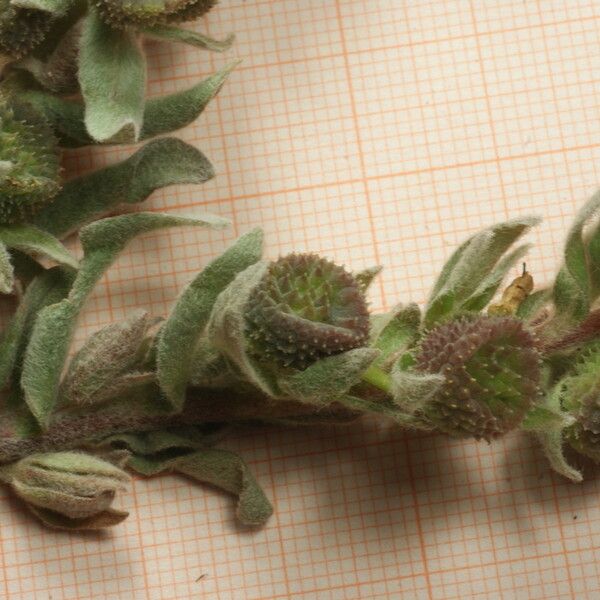
- 🌿 Velvet Foliage: The leaves are broad, lance-shaped, and covered in a dense coat of fine, silvery-grey hairs, giving the plant a soft, fuzzy texture.
- 🎺 Tubular Blooms: True to its name, it produces clusters of elongated, tube-shaped flowers in shades of deep burgundy, smoky purple, or almost black.
- 📡 Protruding Stamens: Look closely at the flowers, and you’ll see long, whisker-like stamens poking out from the tubes, giving the flower clusters a "bristly" appearance.
🏡 In Your Garden
- 💧 The Taproot Rule: This plant develops a long, sturdy taproot to find water deep in the earth. Because of this, it absolutely hates being moved once established—choose its forever home carefully to avoid "transplant shock."
- ☀️ Mountain Roots: Since it originates from rocky slopes, it craves excellent drainage. If its "feet" stay wet in heavy clay soil, the roots will likely rot during the winter months.
- 🐝 Pollinator Magnet: While the dark flowers might look moody to us, they are neon signs for bees and hoverflies, making this a fantastic addition to a biodiversity-focused garden.
⚠️ Safety & Toxicity
- 🚫 Toxicity Status: Potentially toxic if ingested.
- 🐾 The Borage Warning: Like many members of the Boraginaceae family, this plant contains pyrrolizidine alkaloids. These compounds can cause liver discomfort or long-term damage if consumed in large quantities by pets or livestock.
- 🧤 Skin Sensitivity: The fine hairs on the leaves can be slightly prickly or irritating to those with sensitive skin; wearing gloves while pruning is a smart move.
✨ Fun Fact
The name Solenanthus comes from the Greek words solen (tube) and anthos (flower). While it looks exotic, it is a close cousin to the common Forget-Me-Not, though it traded the "dainty blue" look for a much more dramatic, gothic aesthetic!

Detailed Care Instructions

Place in a bright room that is sun drenched almost all day. Or directly in a south-facing window.

Some plants require more regular watering than others, which should be done every few days. It's critical to maintain the soil moist all of the time. The water requirements of the same plant placed in pots with varying sizes will differ. Because the water in the smaller pot evaporates faster than the water in the larger pot, it will require more watering. Regardless of pot size, the surface should constantly be maintained moist.
These plant needs regular fertilizing during growing seasons. Fertilizing your plants in dormant state during the winter, might result in scorching or browning of the leaf tips. If mature plants display signs of nutrient insufficiency, fertilizer administration is necessary to restore the plant to its previous state.








