Plant Overview
Imagine a common dandelion that decided to go on an island vacation and never came back, eventually evolving into a magnificent, woody shrub. Known as the Cabbage-leaf Sow-thistle, Sonchus brassicifolius is a botanical treasure endemic to the remote Juan Fernández Islands (of Robinson Crusoe fame). Unlike its weedy cousins found in cracks in the sidewalk, this plant is a striking example of "island gigantism," where small plants evolve into tree-like forms to dominate their isolated ecosystems.
🔍 How to Identify
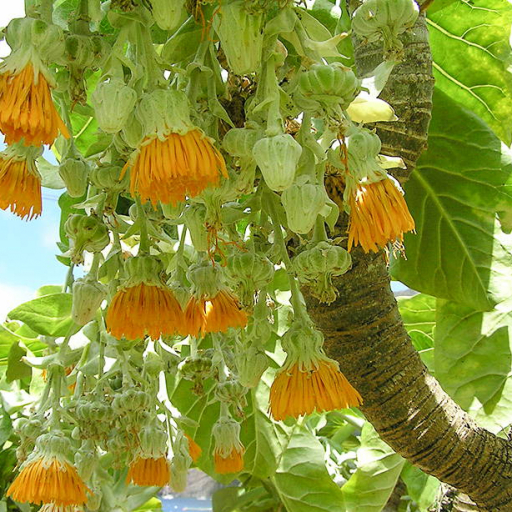
- 🥬 The Foliage: True to its name (brassicifolius means cabbage-leaved), it produces massive, lush rosettes of blue-green leaves that look remarkably like ruffled kale or cabbage.
- 🪵 The Trunk: While most sow-thistles are soft-stemmed herbs, this species develops a thick, woody "pachycaul" stem (a trunk that is disproportionately thick for its height).
- 🌼 The Flowers: It produces large, branched clusters of golden-yellow flowers. Each individual bloom resembles a giant, refined dandelion head, appearing in a spectacular canopy above the leaves.
🏡 In Your Garden
- ☁️ Climate Needs: Because it originates from cool, misty volcanic islands, it craves high humidity and moderate temperatures. It hates extreme heat and will wither in dry, desert-like air.
- 🌋 Soil & Drainage: It is adapted to volcanic soils. In a garden or container setting, it requires a very airy, well-draining mix. It is prone to root rot if left in "wet feet," preferring the moisture to come from the air rather than stagnant water.
⚠️ Safety & Toxicity
- ✅ Status: Generally considered non-toxic to humans and common household pets.
- 🥛 The Sap: Like most members of the Sonchus genus, if you break a leaf, it will bleed a milky white latex. While not poisonous, this sticky sap can be a mild skin irritant for those with sensitive skin and can be difficult to wash off clothing.
✨ Fun Fact
Sonchus brassicifolius is a "botanical islander." Because there were very few large trees on its native islands, this plant evolved to fill the gap, growing tall and woody to reach the sunlight—a process biologists call "insular woodiness." It is essentially a dandelion trying its best to be an oak tree!

Detailed Care Instructions








