Plant Overview
Often called the Common Sowthistle or "Hare’s Colwort," this resilient traveler is much more than just a garden weed. While it might look like a dandelion on steroids, it has a rich history as a nutritious wild edible and a favorite snack for backyard rabbits. Originally from Europe and Asia, it has successfully hitchhiked across the globe, thriving in the cracks of sidewalks and the edges of manicured lawns alike.
🔍 How to Identify
- 🌼 The Flowers: Produces clusters of small, pale-yellow "sunburst" flowers at the top of the stems. Unlike dandelions, multiple flower heads grow on a single branched stalk.
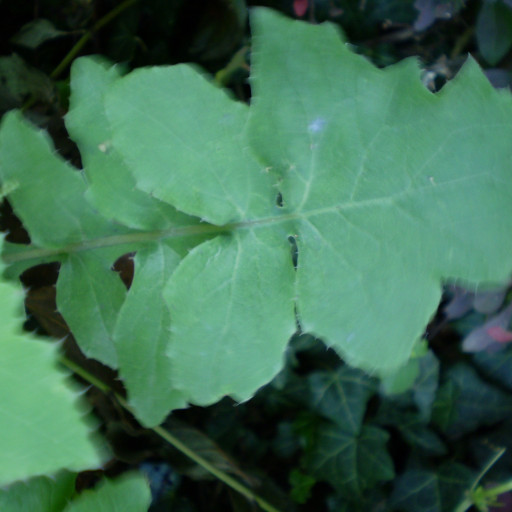
- 🍃 The Leaves: Features deeply lobed, bluish-green leaves with "toothed" edges that look prickly but are actually quite soft to the touch. Crucially, the base of the leaf "clasps" the stem with two pointed lobes.
- 🥛 The Sap: If you break the hollow, smooth stem, it will bleed a thick, white milky latex, which is a classic signature of the Sonchus family.
🏡 In Your Garden
- 🌱 Soil Strategy: It thrives in disturbed or nutrient-rich soil. Its deep taproot allows it to mine for minerals and water in compacted earth where other plants might struggle to survive.
- ✂️ Control Nuance: Because it is a prolific self-seeder, one plant can quickly become a colony. If you enjoy its presence but want to limit its spread, snip the flower heads before they turn into white, fluffy "puffballs" that carry seeds away on the wind.
⚠️ Safety & Toxicity
- ✅ Status: Generally safe and non-toxic.
- 🥗 Details: Young leaves are edible for humans and often used in salads or stir-fries (tasting similar to chard). It is a favorite forage for pet rabbits and guinea pigs. However, always ensure the plant hasn't been treated with chemical herbicides or grown in polluted soil near busy roads, as it can accumulate nitrates and toxins.
✨ Fun Fact
The name "Sowthistle" isn't an accident—historically, farmers believed that feeding this plant to lactating sows (female pigs) would help increase their milk production. It was also once thought to give hares "strength" when they were exhausted by the summer heat!

Detailed Care Instructions
| Humidity | Dry |
| Lighting | Full Sun |
| Difficulty | Easy |
| Hibernation | Cold Period |
| Temperature | 25°C - 35°C |
To grow Sonchus Oleraceus, also known as Sow Thistle, you can follow these steps:
- Choose a suitable location: Sonchus Oleraceus prefers full sun but can tolerate partial shade. Ensure that the chosen spot has well-draining soil.
- Prepare the soil: Loosen the soil using a garden fork or tiller to a depth of about 8-10 inches. Remove any rocks, weeds, or debris from the area.
- Sow the seeds: Sow the Sonchus Oleraceus seeds directly into the prepared soil. Space the seeds about 6 inches apart and cover them with a thin layer of soil (approximately 1/4 inch deep).
- Water regularly: Keep the soil evenly moist but not waterlogged. Water the plants deeply whenever the top inch of soil feels dry. Ensure the soil doesn't dry out completely.
- Thin the seedlings: Once the seedlings emerge and develop their first set of true leaves, thin them out. Allow a spacing of about 12-18 inches between the plants to ensure adequate air circulation and prevent overcrowding.
- Mulch around the plants: Apply a layer of organic mulch, such as straw or wood chips, around the base of the Sonchus Oleraceus plants. Mulch helps retain moisture and suppresses weeds.
- Fertilize: Sonchus Oleraceus plants generally do not require much fertilization. However, you can apply a balanced, slow-release fertilizer according to the package instructions if the plants seem to be lacking nutrients.
- Monitor for pests and diseases: Occasionally check the plants for pests such as aphids or caterpillars. Remove any affected leaves or use organic pest control methods if necessary. Also, watch out for signs of fungal diseases like powdery mildew and treat accordingly.
- Harvest the leaves: Sonchus Oleraceus leaves can be harvested when they are young and tender. Pinch or cut the leaves close to the stem to encourage new growth. The leaves can be used in salads, stir-fries, or cooked as a green vegetable.
- Continual care: Continue to provide adequate water, weed the area around the plants, and monitor their health. Sonchus Oleraceus plants can self-seed, so if you do not want it to spread, remove any flowers or seed heads before they mature.
By following these steps, you should be able to successfully grow Sonchus Oleraceus in your garden or outdoor space.

Place in a window with dappled sun or a spot in the middle of a room. Or directly in a window facing west or east.

To water this plant, you should first check the soil to ensure it is dry to the touch. Once you have confirmed that the soil is dry, you should then take a watering can or hose and water the soil around the base of the plant until it is thoroughly moistened. Avoid getting water on the leaves or flowers of the plant, as this could cause damage or attract pests. It is also important not to overwater the plant, as this could lead to root rot and other problems. It is recommended to water this plant once or twice a week, depending on the weather and how quickly the soil dries out.
To fertilize this plant, apply a balanced fertilizer with equal amounts of nitrogen, phosphorus, and potassium. Use a 10-10-10 or 20-20-20 granular fertilizer or a liquid fertilizer diluted according to instructions. Apply the fertilizer around the base of the plant and water it in thoroughly. Fertilize once a month during the growing season, which is typically spring through fall. Avoid over-fertilizing, as this can lead to excessive growth and weak stems.
The recommended soil for Sonchus Oleraceus plants is a well-draining soil mixture that is rich in organic matter. The ideal pH range for the soil is between 6.0 and 7.0. The soil should be kept moist but not waterlogged, as excessive moisture can lead to root rot and other fungal diseases. It is important to avoid using soil that is contaminated with pesticides or other chemicals, as this can be harmful to the plant. Additionally, it is recommended to use a light, sandy soil mixture for best results, as this will provide good drainage and encourage healthy root growth.
Sonchus Oleraceus can be propagated through both sexual and asexual reproduction.
Sexual Propagation:
- Collect the seeds of the plant once they have matured in the late summer or early fall.
- Sow the seeds in a well-draining potting mix and cover lightly with soil.
- Water the seeds regularly and keep them in a sunny location.
- Within a few weeks, the seeds will germinate, and new seedlings will appear.
Asexual Propagation: - Take a stem cutting from a healthy Sonchus Oleraceus plant in the spring or summer, making sure it is at least 4 inches long.
- Remove the lower leaves of the stem, leaving only the top few at the tip.
- Dip the cut end of the stem into rooting hormone powder.
- Plant the cutting in a well-draining soil mix, making sure that it is not planted too deeply.
- Water the cutting regularly and keep it in a sunny location.
- After a few weeks, the cutting should begin to root and form new shoots.
Overall, both sexual and asexual propagation can be effective for growing new Sonchus Oleraceus plants.








