Plant Overview
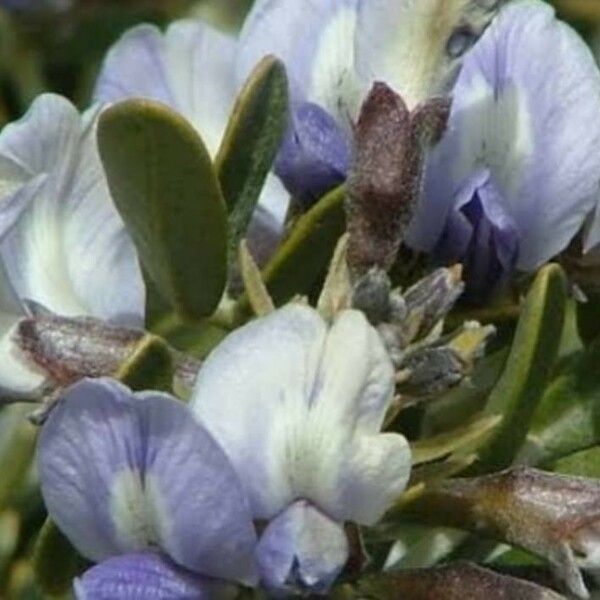
Often called the Arizona Sophora or Arizona Mescal Bean, this hardy desert survivor is a shimmering jewel of the Southwest. Known for its "frosted" appearance and fragrant violet blooms, it is a rare find in the wild canyons of Arizona and Northern Mexico. It is the perfect choice for high-desert gardeners looking for a plant that balances rugged endurance with delicate, ethereal beauty.
🔍 How to Identify
- 🍃 Silvery Foliage: The small, oval leaflets are covered in fine, silky white hairs, giving the entire shrub a distinct metallic or "ghostly" silver-green sheen.
- 🌸 Pea-like Blooms: In early spring, it produces drooping clusters of fragrant, purple-to-lavender flowers that closely resemble those of sweet peas or wisteria.
- 🫘 Beaded Pods: After flowering, it develops woody, tan-colored seed pods that are "constricted" between each seed, looking like a rustic string of beads.
🏡 In Your Garden
- 🏜️ The "Forever Home" Rule: This plant develops a powerful, deep taproot very quickly. It hates being moved, so it’s vital to choose its location carefully; transplanting an established Arizona Sophora often leads to failure.
- ☀️ Sun & Soil: It is a specialist of limestone-rich, rocky soils. It requires excellent drainage and thrives in the punishing heat of full sun, making it an elite candidate for low-water xeriscaping.
⚠️ Safety & Toxicity
- 🚫 Status: Toxic if ingested.
- 🐾 Details: Like many members of the Sophora genus, the seeds contain alkaloids (such as cytisine) that are poisonous to humans, horses, and household pets. While the pods are tough and woody, they should be kept away from curious children and animals.
✨ Fun Fact
Unlike many other desert shrubs that blend into the brown landscape, the Arizona Sophora's silver leaves are an evolutionary trick—the tiny hairs reflect sunlight and trap moisture, allowing the plant to stay "cool" in temperatures that would wilt other species!

Detailed Care Instructions








