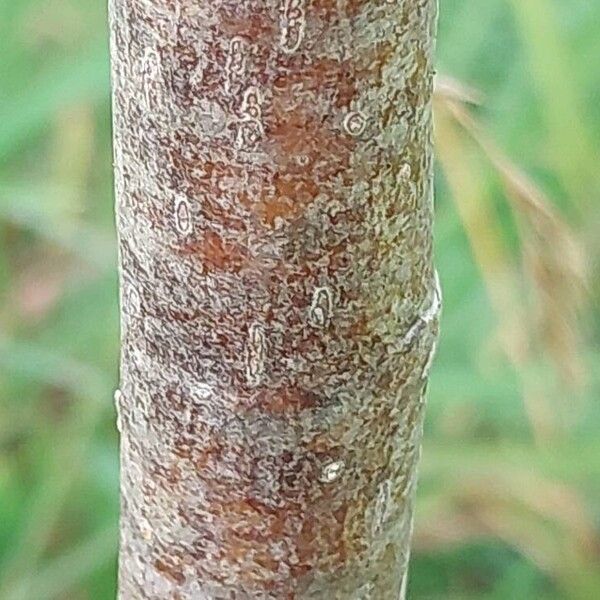
Plant Overview
Often called the Randai Mountain Ash, this rare beauty is a high-altitude specialist hailing exclusively from the misty, rugged peaks of Taiwan. While it spends much of the year dressed in delicate, fern-like greenery, it becomes the star of the landscape in autumn when its foliage transforms into a searing, volcanic red. It is a symbol of resilience, thriving in thin air and rocky soils where few other trees dare to grow.
🔍 How to Identify
- 🌿 Feathery Foliage: It features "pinnately compound" leaves, meaning each leaf is made of 15–21 small, serrated leaflets. This gives the tree a soft, airy, and almost fern-like texture.
- 🌸 Snowy Clusters: In late spring, the tree produces dense "corymbs" (flat-topped clusters) of tiny, cream-white flowers that look like dusting of snow against the green leaves.
- 🍒 Ruby Berries: By late summer, the tree is laden with small, round, brilliant red fruits (pomes) that persist even after the leaves have fallen, providing a winter feast for mountain birds.
🏡 In Your Garden
- 🏔️ High-Altitude Needs: Because it is a mountain native, it struggles in sweltering, humid lowlands. It craves "cool feet"—achieved with thick mulch—and excellent air circulation to mimic its breezy alpine home.
- 🍂 The Color Trigger: To achieve those famous scarlet autumn hues, the plant requires a significant drop in temperature during the fall nights and plenty of daytime sunlight. In warmer climates, the colors may appear more muted or brown.
⚠️ Safety & Toxicity
- 🐾 Mildly Toxic: Like most members of the Sorbus genus, the seeds inside the berries contain small amounts of cyanogenic glycosides.
- 🚫 Keep Away from Pets: While birds can eat the berries safely, they can cause stomach upset, drooling, or lethargy in dogs and cats if ingested in large quantities. The berries are extremely bitter, which usually acts as a natural deterrent for humans.
✨ Fun Fact
- ⛰️ The Taiwan Traveler: Sorbus randaiensis is endemic to Taiwan, meaning it grows naturally nowhere else on Earth. It is a frequent companion for hikers climbing Yushan (Jade Mountain), the highest peak in East Asia, where it clings to rocky slopes at elevations up to 3,900 meters!

Detailed Care Instructions

Place in a bright room that is sun drenched almost all day. Or directly in a south-facing window.

The presence of a dry surface layer of soil does not indicate that the plant requires water. Instead, stick your finger 1-2" (3-5 cm) deep in the soil to feel dampness or moisture content. If the soil seems dry, it's time to water your greens. If the soil is still moist, however, it is better not to water your plant and instead wait a day or two. Overwatering or waterlogging raises the risk of root rot. So if the soil takes longer than a week to dry, check the light conditions because it's likely that the plant isn't getting enough light. It's fine if the upper layer of soil is dry between waterings, but the deeper soil layer should always have some moisture.







