Plant Overview
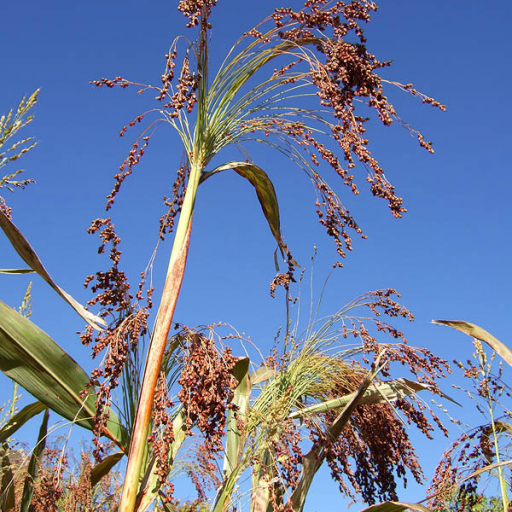
Known as the "wild ancestor" of the grains that feed millions, Sorghum arundinaceum is a robust, statuesque grass native to the African continent. Often found swaying gracefully at the edges of savannas or along sunny roadsides, this plant is the untamed cousin of the commercial sorghum used for flour and syrup. It serves as a vital bridge between ancient wilderness and modern agriculture, representing the raw resilience of the grass family.
🔍 How to Identify
- 🌾 The Silhouette: It is a tall, erect annual or short-lived perennial grass that can reach towering heights of up to 4 meters, making it a dominant presence in any landscape.
- 🍃 The Leaves: The leaf blades are long, flat, and linear, often featuring a prominent white midrib that runs down the center of the deep green surface.
- 🌾 The Seed Head: Unlike the dense, tight clusters of cultivated sorghum, this wild variety produces loose, open, and drooping "panicles" that look like delicate airy plumes.
- 🌰 The Grains: The seeds are encased in hairy, reddish-brown to black husks (glumes) that shatter easily when ripe to ensure the plant spreads effectively.
🏡 In Your Garden & Landscape
- 🌱 Tough as Nails: This plant is an extremophile when it comes to heat and drought. It utilizes a specialized "C4" photosynthetic pathway, allowing it to grow rapidly even when water is scarce and the sun is punishing.
- 🚜 A Natural Pioneer: In a garden setting, it is often viewed as a "pioneer species." It is excellent at colonizing disturbed soil, though it can become quite aggressive if its seed heads aren't managed, potentially outcompeting smaller ornamental plants.
- 🐦 Wildlife Magnet: If you are looking to support local fauna, this grass is a powerhouse. Its heavy seed production provides a massive feast for granivorous birds during the late summer and autumn months.
⚠️ Safety & Toxicity
- 🐄 Livestock Warning: Like many members of the Sorghum genus, the young shoots and drought-stressed leaves can contain dhurrin, a compound that releases toxic hydrogen cyanide when ingested.
- 🐕 Pet Safety: While humans rarely encounter issues, it is best to keep curious dogs or grazing pets away from young, bright-green sprouts, as high consumption can lead to respiratory distress.
- 🌾 Allergy Note: During the flowering season, the plant releases a significant amount of wind-borne pollen, which may trigger hay fever in sensitive individuals.
✨ Fun Fact
- 🧬 The Genetic Goldmine: Scientists consider Sorghum arundinaceum an "evolutionary insurance policy." Because it has survived for millennia in the wild without human help, its DNA is being studied to help create modern crops that can survive global warming and new plant diseases!

Detailed Care Instructions
To grow Sorghum Arundinaceum (also known as wild sorghum or Job's Tears), follow these steps:
- Climate and Location: Sorghum Arundinaceum thrives in warm and tropical climates. Choose a sunny location with well-draining soil.
- Soil Preparation: Before planting, prepare the soil by removing any weeds or debris. Loosen the soil and amend it with organic matter, like compost, to improve fertility and drainage.
- Planting: Sorghum Arundinaceum seeds are typically sown directly into the garden bed. Sow the seeds at a depth of 1 inch and space them about 12 inches apart. If you plan to grow them as a row crop, space the rows about 24 inches apart.
- Watering: Keep the soil consistently moist, but not waterlogged. Water regularly, especially during dry spells, to ensure adequate moisture for the plants to grow.
- Fertilization: Apply a balanced fertilizer, such as a 10-10-10, when the plants are about 6 inches tall. Follow the package instructions for application rates.
- Weed Control: Keep the area around the Sorghum Arundinaceum plant free from weeds, as they can compete for nutrients and water. Regularly remove any weeds that appear.
- Pests and Diseases: Sorghum Arundinaceum can be susceptible to pests like aphids and armyworms. Monitor the plants for any signs of infestation and treat them accordingly with appropriate organic or chemical insecticides.
- Harvesting: The plants are typically ready for harvest when the seed heads turn brown and harden. Cut the seed heads from the stalks and hang them in a dry, well-ventilated area to dry further. Thresh the seeds from the seed heads once they are completely dry.
- Storage: Store the dried Sorghum Arundinaceum seeds in an airtight container or bag in a cool, dry place until ready for use.
Remember to consult local agricultural extension services or experienced farmers in your area for specific guidance and tips based on your location and climate conditions.
To water this plant, it is important to assess the soil moisture first by sticking a finger about 2 inches into the soil. If the soil feels dry, it is time to water. The plant should be watered deeply, allowing the water to penetrate the soil to a depth of at least 6 inches. It is advisable to use a watering can or a hose with a gentle spray attachment to avoid disturbing the soil around the plant. Overwatering should be avoided, as this can lead to root rot and other fungal diseases. The frequency of watering will depend on the temperature and humidity levels, but in general, once a week is sufficient. During hot and dry weather, the plant may require more frequent watering. It is also important to ensure good drainage and avoid waterlogging the soil.
For optimal growth and yield of this particular plant, it is important to fertilize it properly. Use a balanced fertilizer with equal amounts of nitrogen, phosphorus, and potassium. Apply the fertilizer at a rate of 1 lb per 100 square feet of soil. Spread the fertilizer evenly around the base of the plant and water thoroughly after application. Repeat fertilization every 4 to 6 weeks during the growing season. Avoid over-fertilizing as it can damage the plant and harm the environment.
The ideal soil for Sorghum Arundinaceum plant should have a neutral to slightly acidic pH, ranging between 6.0 and 7.5. It should be well-draining, with good fertility and moisture retention capacity. Organic matter content should be high as the plant requires a lot of nutrients to grow. Soil texture should be loamy or sandy loam, with good structure and pore space to allow for air and water movement. Avoid heavy clay soils that are prone to waterlogging as it can negatively affect the growth and yield of the plant. Additionally, the soil should be free of pathogens that could cause diseases in the plant.
Propagation of this plant can be done through seeds or stem cuttings. If propagating through seeds, it is important to select healthy, fully matured ones. They can be planted directly in the soil during the warm months or started indoors in pots before transplanting once the weather allows.
For stem cuttings, select healthy and robust stems and cut them into sections with at least two nodes. These can be planted directly in soil, or first rooted in water before planting in soil.
It is important to maintain consistent moisture and provide a warm, sunny environment for successful propagation.








