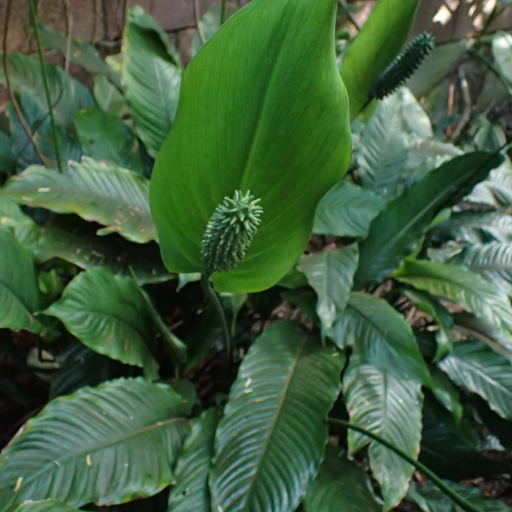
Plant Overview
Known as the "Golden Peace Lily" or "Spoon Flower," Spathiphyllum blandum is a timeless favorite for indoor gardeners seeking a touch of the tropics. Native to the humid rainforests of Central and South America, this plant is legendary for its "dramatic" personality—literally drooping its leaves to tell you it's thirsty, only to perk up within hours of a drink. It is a symbol of peace and prosperity, often gifted to bring a sense of calm to a new home.
🔍 How to Identify
- 🍃 The Foliage: Large, lance-shaped leaves that are deeply veined and have a slightly matte texture compared to other glossier Peace Lily varieties.
- 🏳️ The Spathe: A pale green or creamy-white modified leaf (spathe) that hoods over a central, bumpy spike called the spadix.
- 🌱 Growth Habit: It grows in dense, lush clumps, with stems emerging directly from the soil rather than from a central trunk.
🏡 In Your Garden
- ☁️ Humidity Lover: Because it originated in the rainforest understory, it thrives in high humidity. If the leaf tips turn brown and crispy, it’s likely asking for a pebble tray or a nearby humidifier.
- 🚿 The "Goldilocks" Soil: This species hates "wet feet." It requires a well-draining, chunky potting mix. While it likes to stay moist, sitting in stagnant water will quickly lead to root rot, a common pitfall for over-eager owners.
- 🌤️ Light Nuance: While marketed as a "low light" plant, Spathiphyllum blandum will rarely bloom in a dark corner. To see those white spoons, place it in bright, filtered light.
⚠️ Safety & Toxicity
- 🚫 Status: Toxic to cats, dogs, and humans.
- 🐱 Details: The plant contains insoluble calcium oxalate crystals. If a leaf is bitten or chewed, these crystals cause immediate mouth pain, drooling, and swelling of the throat. It is best kept on high shelves or plant stands out of reach of curious pets and toddlers.
✨ Fun Fact
Despite its common name, the Peace Lily isn't a true lily at all! It is a member of the Araceae family, making it a closer relative to the giant, stinky "Corpse Flower" and the trendy Monstera than to the lilies you find in a floral bouquet.

Detailed Care Instructions
To grow Spathiphyllum Blandum (also known as Peace Lily), follow these steps:
- Light: Place your plant in a bright spot, but avoid direct sunlight as it can scorch the leaves. Indirect or filtered light is best.
- Temperature: Peace lilies prefer warm temperatures between 65-80°F (18-27°C), so keep them in a suitable range in your home.
- Watering: Keep the soil evenly moist, but not overly saturated. Water your plant when the top inch of soil feels dry. Peace lilies will wilt when they need water but recover quickly after watering.
- Humidity: These plants thrive in high humidity, so mist their leaves regularly or place them on a tray of water-filled pebbles to increase humidity.
- Fertilizer: Peace lilies benefit from monthly fertilization during the growing season (spring and summer). Use a balanced, water-soluble houseplant fertilizer following the package instructions.
- Repotting: Repot every 1-2 years, preferably in spring, using a well-draining potting mix. Choose a pot that is slightly larger than the current one.
- Pruning: Remove yellow or brown foliage to maintain the plant's appearance and health. Cut back any dead or damaged leaves at the base.
- Pests: Check the plant regularly for pests like aphids, mealybugs, or spider mites. If found, treat them with a suitable insecticide or use natural methods like wiping the leaves with soapy water.
Remember to keep your Spathiphyllum Blandum away from drafts and cold air, as they prefer stable temperatures. With proper care, your Peace Lily should grow and thrive beautifully.
To properly water this plant, you should first check the soil moisture level by sticking your finger about an inch into the soil. If it feels dry, it's time to water. Use room temperature water and pour it slowly around the base of the plant, being careful not to get water on the leaves. Allow the water to drain out of the bottom of the pot, then empty any excess water from the plant saucer. Avoid overwatering, as this can lead to root rot. Instead, wait until the soil is dry to the touch before watering again. In general, this plant prefers to have evenly moist soil but can tolerate slight drying out between watering.
To fertilize this plant, use a balanced liquid fertilizer every two weeks during the growing season (spring and summer). Dilute the fertilizer to half strength before applying it to the soil. In the fall and winter, reduce fertilization to once every four to six weeks, or stop fertilizing altogether. Be careful not to over-fertilize, as this can cause damage to the plant.
Spathiphyllum Blandum is a type of plant that prefers well-draining soil. It is best to use a mixture of potting soil and perlite or sand to ensure good drainage. The soil should also be slightly acidic, with a pH range of 5.5 to 6.5. It is recommended to use a high-quality commercial potting mix to ensure proper drainage and nutrient availability. Additionally, adding some peat moss to the soil mix can help increase acidity levels and promote healthy root growth. Make sure to check the soil moisture regularly to prevent overwatering as this type of plant is sensitive to overwatering.
To propagate this plant, first select a healthy mature plant that has a number of leaves and healthy roots. Using a sharp and sterilized knife, cut a section of the stem that includes a few leaves and some roots. Make sure to choose a stem section that is at least 4-6 inches long.
After making the cutting, remove any leaves that are near the base of the stem. This is where the new roots will grow, so it's important to have a clean surface. If the leaves are large, you can trim them down to reduce water loss.
Next, dip the cut end of the stem in a rooting hormone powder to encourage root growth. Then, insert the stem into a pot filled with a well-draining potting mix. Make sure to keep the soil evenly moist and place the pot in a bright but indirect light location.
The new plant will need frequent misting to keep the leaves hydrated during the rooting process. After a few weeks, you should start to see new roots and signs of growth. Once the plant has established roots and new growth, you can gradually decrease the frequency of misting.








