Plant Overview
Often referred to as the Winged Spurrey, Spergula pentandra is a delicate, low-growing annual that looks like a miniature spray of green lace against the soil. While it may seem fragile, this Mediterranean native is a master of survival, thriving in sandy "wastelands" where more pampered garden plants would quickly wither.
🔍 How to Identify
- 🌿 The Foliage: Its leaves are very thin, needle-like, and appear to grow in circular clusters (whorls) along the stem, giving it a soft, feathery texture.
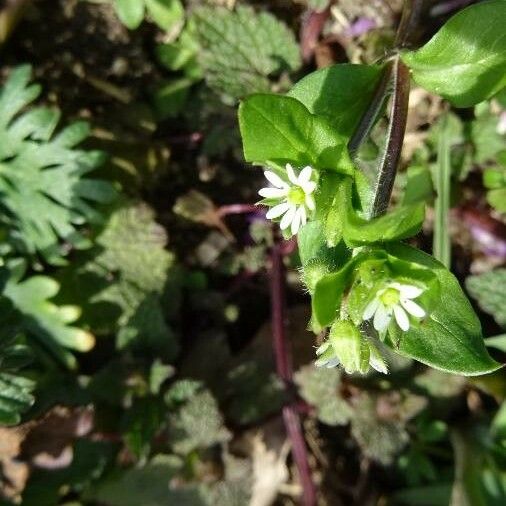
- 🌸 The Bloom: It produces tiny, star-shaped white flowers with five distinct petals and—as the name pentandra suggests—exactly five stamens at the center.
- 🛸 The "Winged" Seed: The most unique feature is found in the seed pod. Each tiny seed is surrounded by a wide, translucent circular wing, helping it travel through the air like a little UFO.
🏡 In Your Garden
- ⏳ Life Cycle Nuance: As an annual plant, it lives fast and dies young. It doesn't tolerate being moved once established because it develops a delicate root system designed to anchor quickly into loose substrate.
- 🏜️ The Sandy Specialist: You’ll rarely find this in rich, dark potting soil. It prefers "poor" conditions—think sandy paths, coastal dunes, or gravelly edges. It acts as a natural ground stabilizer in environments where few other things can grow.
⚠️ Safety & Toxicity
- ✅ Status: Generally considered non-toxic.
- 🐾 Details: There are no recorded reports of Spergula pentandra being poisonous to cats, dogs, or humans. However, because it often grows in wild or disturbed areas, it is best kept as a visual delight rather than a snack for curious pets.
✨ Fun Fact
The "winged" seeds of this plant are a perfect example of evolutionary engineering. The wide, papery membrane around the seed acts as a sail, allowing even the slightest breeze to carry the next generation far away from the parent plant to colonize new sandy patches.

Detailed Care Instructions
To grow Spergula pentandra, also known as alpine sandwort or starry stitchwort, you can follow these basic steps:
- Select a suitable location: Spergula pentandra thrives in areas with full sun or partial shade. Choose a spot with well-draining soil or build raised beds to ensure proper drainage.
- Prepare the soil: Loosen the soil and remove any weeds or rocks. Spergula pentandra prefers sandy or loamy soil with a slightly acidic to neutral pH (around 6.0 to 7.0).
- Sow the seeds: Spergula pentandra can be started from seeds indoors or directly sown into the garden. If starting indoors, sow the seeds in a tray filled with seed-starting mixture and lightly cover them with a thin layer of soil. Keep the soil moist until germination, which usually takes around 2-3 weeks. Once the seedlings have developed a few true leaves, transplant them into individual pots.
- Transplanting: When the risk of frost has passed and the seedlings are well-established, transplant them into their permanent outdoor location or into garden beds with appropriate spacing. The distance between plants should be around 6-10 inches (15-25 cm) to allow proper growth.
- Watering and care: Keep the soil consistently moist but not waterlogged. Water the plants deeply whenever the top inch of soil feels dry to the touch. However, ensure the soil has good drainage to prevent root rot.
- Fertilization: Spergula pentandra usually does not require heavy feeding. However, you can apply a balanced, slow-release fertilizer in early spring to promote initial growth.
- Pruning: To maintain a neat appearance, you can lightly trim or deadhead any faded flowers. This can also encourage the plant to produce more blooms.
- Pests and diseases: Spergula pentandra is generally pest and disease resistant. However, it's always good to monitor your plants for any signs of problems and address them promptly if needed.
By following these steps, you should be able to successfully grow Spergula pentandra and enjoy its charming white flowers and delicate foliage.

Place in a bright room that is sun drenched almost all day. Or directly in a south-facing window.

To water this plant, it is important to consider the soil composition, weather conditions and the plant's growth stage. The amount of water needed may vary depending on these factors and ensuring the proper amount will maintain its healthy growth.
The first step is to check the soil moisture level. Stick a finger into the soil, and if it feels dry about an inch or less below the surface, it is time to water. If the soil still feels damp, do not water the plant yet.
Once you have determined that watering is necessary, use a watering can or a hose with a gentle, steady stream to water around the plant's base. Avoid getting water directly on the foliage, as this may cause damage or increase the risk of plant diseases.
Make sure to water slowly and deeply, allowing the water to penetrate the soil around the plant's roots. It is important not to overwater, as this can lead to root rot and other issues. To prevent this, wait for the soil to dry out a bit before watering again.
Finally, consider the time of day when watering. It is best to water in the early morning or late evening to avoid evaporation due to heat and sunlight. This also allows for the water to be absorbed into the soil before any potential moisture-robbing insects may appear.
To fertilize this plant, begin by selecting a well-balanced, slow-release fertilizer that is high in nitrogen. Apply the fertilizer evenly around the base of the plant, making sure to avoid getting any on the leaves or stems. Water the plant thoroughly after fertilizing to help the nutrients penetrate the soil. To maintain optimal growth, repeat the fertilization process every 6 to 8 weeks during the growing season, being careful not to over-fertilize as this can damage the plant.
When growing the Spergula Pentandra plant, it is important to use a well-draining soil. A soil mixture that is high in organic matter with good drainage properties is ideal for this plant. The soil should have a neutral to slightly alkaline pH level. It is best to avoid heavy or compacted soil, as this can cause root rot or other problems for the plant. Additionally, the soil should be kept moist, but not overly waterlogged, to prevent stress on the plant. A top dressing or mulch can also help to retain moisture and protect the roots. Overall, choosing the right soil for Spergula Pentandra is essential for promoting healthy growth and preventing disease or other issues.
To propagate this plant, you will need to collect the seeds from mature plants. These seeds can be sown directly into the soil where you want them to grow or they can be started indoors and transplanted once they are established. It is important to prepare the soil before planting by removing any weeds and loosening the top layer of the soil. Water the seeds and keep them moist until they germinate, which should take about 1-2 weeks. Once the plants have reached a height of a few inches, you can thin them out if necessary to ensure they have adequate space to grow. Mature plants can also be divided in the spring or fall to create multiple plants. To do this, carefully dig up the entire plant and divide it into pieces, ensuring that each piece has sufficient roots and top growth. Plant the divided pieces in prepared soil and keep them moist until they are established.








