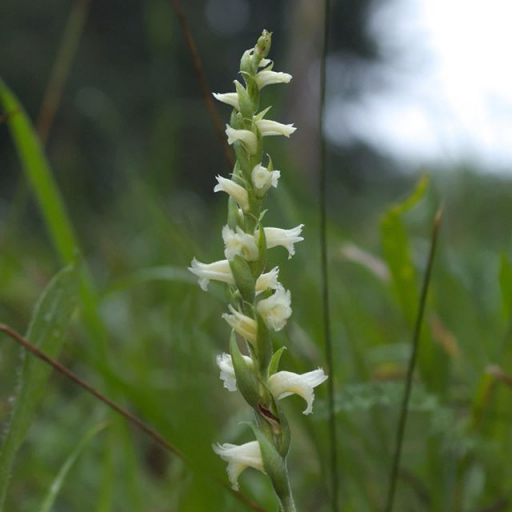
Plant Overview
Commonly known as the Yellow Nodding Ladies'-tresses, this delicate orchid is a late-season treasure of North American meadows. Its name comes from the way the tiny flowers appear to be "braided" together, resembling locks of hair or a fine piece of lace draped over a stem. Unlike many flashy tropical orchids, this species is a master of subtle elegance, appearing just as summer begins to fade into autumn.
🔍 How to Identify
- 🌀 The Spiral Spike: The flowers are arranged in a distinctive vertical spiral (a "secund" or "spiral" raceme) around the central stalk, making the stem look like a twisted braid.
- 🔔 Nodding Blooms: Each individual flower is tubular and slightly downward-facing (nodding), featuring a creamy-yellow or ivory hue rather than pure white.
- 🍃 Basal Leaves: You will find narrow, lance-shaped leaves at the base of the plant, though these often wither away by the time the flowers are in full bloom.
🏡 In Your Garden
- 🌱 Specific Symbiosis: This orchid is notoriously difficult to "tame" because it relies on a complex relationship with specific soil fungi (mycorrhizae) to survive. It is best enjoyed in its natural habitat rather than being transplanted.
- ☀️ Upland Preference: While many of its relatives love bogs, the Yellow Nodding Ladies'-tresses prefers "dry-mesic" sites. It thrives in well-drained, acidic soils found in old fields, open woodlands, and even along quiet, grassy roadsides.
⚠️ Safety & Toxicity
- ✅ Safe for Touch: This plant is considered non-toxic to humans and common household pets. It does not produce stinging hairs or irritating saps.
- 🛡️ Conservation Warning: Because these orchids are sensitive to habitat loss and are rare in many regions, the biggest "safety" concern is for the plant itself. Never dig them up from the wild; they rarely survive the move and are protected by law in several states.
✨ Fun Fact
The genus name Spiranthes is derived from the Greek words speira (spiral) and anthos (flower). Because of their unique twisting growth, folklore once suggested that if you followed the direction of the spiral, it would lead you to hidden water or underground springs.

Detailed Care Instructions
| Humidity | Normal |
| Difficulty | Medium |
| Hardiness Zones | 5 - 9 |
To grow Spiranthes Ochroleuca, also known as the Yellow Lady's Slipper, follow these steps:
- Select a planting location: Yellow Lady's Slipper prefers partially shaded areas with well-draining soil. It can tolerate various soil types, including loam, sand, or clay.
- Time to plant: Spring or early fall is the best time to plant this orchid species. The plant is typically sold as a tuber, which should be planted just below the surface of the soil.
- Soil preparation: Before planting, mix organic matter (such as compost) into the soil to improve its fertility and drainage.
- Planting the tuber: Dig a shallow hole, about 1-2 inches deep. Place the tuber, with the growing points facing up, into the hole. Cover the tuber with soil, firming it gently around the roots to ensure good contact.
- Watering and maintenance: Keep the soil evenly moist, but not soggy, throughout the growing season. Water regularly, especially during dry spells. Avoid overwatering or allowing the soil to become waterlogged. Mulching around the plant can help conserve moisture and suppress weed growth.
- Fertilizing: Yellow Lady's Slipper doesn't require heavy feeding. However, you can provide a light application of balanced orchid fertilizer or a slow-release organic fertilizer in the spring to promote healthy growth.
- Protect from extreme temperatures: Protect the plant from extreme cold or heat. In areas with harsh winters, mulching the crown of the plant with straw or leaves can help insulate it from freezing temperatures.
- Propagation: Spiranthes Ochroleuca can be propagated by dividing the tubers or by sowing seeds in the fall. Wait until the plant is established and mature before attempting propagation.
- Wildlife attraction: Yellow Lady's Slipper is a favorite of pollinators such as bees and butterflies. Planting it in your garden can help attract and support local wildlife.
- Patience: Growing orchids requires patience, as they typically have a slow growth rate. It may take a few years for the plant to reach maturity and produce flowers.
Remember, Spiranthes Ochroleuca is a protected species in some regions and should not be collected from the wild. Instead, consider purchasing plants from reputable nurseries that specialize in native species or obtaining permission to collect seeds or divisions from established populations to grow in your garden.

Place in a window with dappled sun or a spot in the middle of a room. Or directly in a window facing west or east.

To water the Spiranthes Ochroleuca plant, you should consider the following guidelines:
1. Observe the soil moisture: Before watering, check the moisture level of the soil by inserting your finger about one inch deep into the soil. If it feels dry, it is an indication that the plant requires watering.
2. Choose the right time: Water the plant either early in the morning or late in the evening when the temperatures are cooler. This timing allows the water to be absorbed by the plant's roots before it evaporates due to heat. Avoid watering during the hottest part of the day to prevent excessive moisture loss.
3. Use an appropriate watering method: To avoid waterlogging and root rot, water the plant directly at the base rather than overhead. This can be achieved by using a watering can, a hose with a nozzle, or a drip irrigation system. Directing the water at the base ensures that it reaches the roots directly where it is needed.
4. Water thoroughly: Make sure that you water the plant thoroughly, allowing the water to penetrate the soil until it reaches a depth of a few inches. This encourages the plant's roots to grow deeper in search of water and promotes overall health.
5. Monitor water needs: While it is essential to keep the soil moist, be cautious not to overwater the plant. Regularly monitor the soil moisture levels to determine if watering is required. Overwatering can lead to root rot and other issues.
6. Adjust watering frequency: Depending on factors such as the climate, season, and container size (if applicable), adjust the watering frequency accordingly. During hot and dry periods, you may need to water more often, while cooler and rainy periods may require less frequent watering.
Remember that each plant has specific water requirements, so it's crucial to understand the Spiranthes Ochroleuca's preferences to ensure optimal care.
To fertilize the Spiranthes Ochroleuca plant, follow these instructions:
- Choose a balanced fertilizer with equal amounts of nitrogen, phosphorus, and potassium (N-P-K ratio of 10-10-10 or similar).
- Dilute the fertilizer according to the package instructions or use half the recommended strength to avoid over-fertilization.
- Apply the diluted fertilizer evenly around the base of the plant, avoiding contact with the leaves or flowers.
- Gently work the fertilizer into the soil using a handheld garden tool or rake. Be careful not to damage the plant's roots.
- Water the plant thoroughly after fertilizing to help the nutrients seep into the soil.
- Repeat the fertilization process once every four to six weeks during the growing season (spring and summer) for optimal results.
- Monitor the plant for signs of over-fertilization, such as leaf burn or stunted growth. If this occurs, reduce the frequency or strength of fertilization.
- Avoid fertilizing during periods of drought or when the plant is dormant in the winter.
- Regularly inspect the plant for any signs of nutrient deficiencies, such as yellowing leaves or poor flower production. Adjust the fertilizer application if necessary, based on the plant's needs.
Spiranthes ochroleuca is a terrestrial orchid species that requires specific soil conditions for optimal growth. In its natural habitat, this plant is found growing in various types of soil, including moist grasslands, meadows, and open woodlands.
When cultivating Spiranthes ochroleuca, it is recommended to use a well-draining soil mix that retains some moisture while preventing waterlogging. The ideal soil composition should be loose, light, and loamy, allowing sufficient air circulation and root development. A pH level ranging from slightly acidic to neutral (around 6 to 7) is generally preferred by this orchid species.
To provide the necessary nutrients, incorporating organic matter into the soil is beneficial. This can be achieved by adding well-rotted compost or leaf litter, which enhances soil fertility and improves water-holding capacity. Additionally, some gardeners opt to mix in perlite or coarse sand to improve drainage.
It is important to note that Spiranthes ochroleuca can be sensitive to heavy clay soils or overly compacted soils. These types of soil can hinder root growth and cause waterlogging, leading to root rot and other issues.
To summarize, the ideal soil for Spiranthes ochroleuca should be loose, well-draining, and slightly acidic to neutral. Incorporating organic matter and ensuring proper drainage will provide the best growing conditions for this beautiful orchid species.
To propagate Spiranthes Ochroleuca plant, you can follow these steps:
- Start by sterilizing your equipment: Before propagating any plant, it's important to ensure cleanliness. Sterilize your tools, such as pruning shears or garden knife, by wiping them with rubbing alcohol or dipping them in a solution of bleach and water (1:9 ratio).
- Choose a healthy plant: Select a mature and healthy Spiranthes Ochroleuca plant to propagate from. Make sure it has no signs of diseases or pests, ensuring the success of propagating the new plant.
- Select the propagation method: There are several ways to propagate Spiranthes Ochroleuca, including division, plantlets, or seed sowing. Choose the method that suits your skills and resources.
- Division: This method involves dividing the plant into smaller sections, each containing healthy roots and shoots. Carefully dig around the base of the plant and gently separate the clumps, making sure to keep the roots intact. Transplant each division into its own pot or desired location.
- Plantlets: If the Spiranthes Ochroleuca plant produces plantlets or offsets, these baby plants can be carefully separated from the parent plant and potted individually. Look for small plants growing from the base or sides of the main plant and gently remove them, ensuring they have their own roots.
- Seed sowing: If you have access to Spiranthes Ochroleuca seeds, this method is another option. Collect the mature seeds from the plant and sow them in a well-draining potting mix. Lightly cover the seeds with a thin layer of soil and keep the growing medium consistently moist. Germination may take several weeks to months, but eventually, new seedlings will emerge.
- Provide the right growing conditions: Regardless of the propagation method chosen, it is important to provide suitable growing conditions for the new plants. Spiranthes Ochroleuca thrives in full sunlight to partial shade, typically preferring moist, well-draining soil. Water the propagated plants regularly, allowing the soil to slightly dry out between waterings.
- Monitor and care for the propagated plants: Check on the propagated plants regularly, looking for signs of growth and health. Ensure they are getting adequate light, water, and proper care. Protect them from extreme temperatures, diseases, and pests.
- Transplanting: Once the propagated plants have established a strong root system and are growing well, they can be transplanted into a permanent garden bed or larger pots. Choose a location that mimics their preferred growing conditions, ensuring they have enough space to grow and thrive.
Remember that different propagation methods may have varying success rates, and it's important to be patient and persistent throughout the process. With proper care and attention, you can successfully propagate Spiranthes Ochroleuca plants and enjoy their beautiful blooms.








