Plant Overview
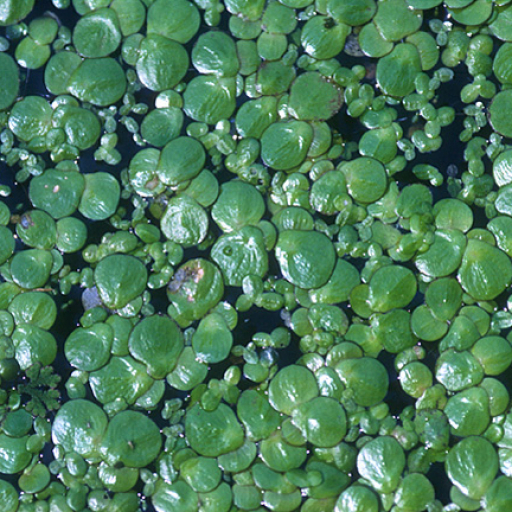
Often called the "Giant Duckweed," Spirodela polyrhiza acts as a living green carpet for ponds and slow-moving waters. While it is a giant compared to its tiny cousins, it still fits easily on your fingertip. In many circles, it is known as "Duck’s Meat" because it serves as a high-protein buffet for migrating birds, goldfish, and turtles.
🔍 How to Identify
- 🍃 The Fronds: It features small, flat, oval-to-kidney-shaped leaves that float on the water's surface, typically reaching about 1 centimeter—nearly double the size of common duckweed.
- 🎨 Two-Tone Color: The upper surface is a vivid emerald green, while the underside often reveals a striking dark purple or reddish tint, a key distinguishing feature.
- 🕸️ Root Bundles: Look underneath! Unlike smaller species that have only one root per leaf, the Greater Duckweed boasts a cluster of 5 to 21 dangling roots per frond.
🏡 In Your Garden
- 💧 The Ultimate Biofilter: This plant is a powerhouse at cleaning water. It aggressively absorbs excess nitrogen and phosphates, making it a natural solution for preventing unwanted algae blooms in backyard ponds.
- 🐢 Aquatic Canopy: It provides excellent shade and cover for fish fry, tadpoles, and small invertebrates, protecting them from the sun’s heat and aerial predators.
- 📉 Surface Management: Because it multiplies through rapid vegetative cloning, it can quickly cover a pond. It's best to keep a "skimming net" handy to ensure the surface doesn't become completely sealed, which could deplete oxygen levels for fish.
⚠️ Safety & Toxicity
- ✅ Safe Profile: Spirodela polyrhiza is non-toxic to humans, dogs, and cats. Many aquatic pets, especially goldfish and koi, find it delicious and highly nutritious.
- 🚫 Environmental Warning: While safe for pets, it is a highly successful survivor. Never dump excess duckweed into local wild lakes or streams, as it can become an invasive nuisance that disrupts natural ecosystems.
✨ Fun Fact
Greater Duckweed is a survival specialist. When the water turns cold in winter, the plant produces starch-filled buds called "turions." These heavy buds sink to the bottom of the pond to hibernate in the mud, only to float back to the surface and "re-spawn" the entire colony once the spring sun warms the water!

Detailed Care Instructions
Spirodela polyrhiza, commonly known as watermeal or duckweed, is a small aquatic plant that grows in freshwater environments. Here are some steps to help you grow Spirodela polyrhiza:
1. Setting Up a Suitable Environment
- Container: Choose a shallow container such as a pond, aquarium, or large bowl. Make sure it has enough surface area because duckweed grows in a floating manner.
- Water Quality: Use clean, dechlorinated water, as chlorine can harm the plant. If using tap water, let it sit for 24 hours to allow the chlorine to evaporate.
2. Light Requirements
- Sunlight: Place the container in a location where it can receive indirect sunlight. Spirodela polyrhiza prefers bright, indirect light but can also tolerate low light.
- Artificial Lighting: If growing indoors, you can use fluorescent or LED grow lights to provide the necessary light. Aim for 12-16 hours of light per day.
3. Nutrient Supply
- Fertilization: While duckweed can grow in nutrient-poor conditions, adding fertilizers specifically designed for aquatic plants can promote healthier growth. Look for fertilizers that contain nitrogen, phosphorus, and potassium. Be careful not to over-fertilize, as this can lead to algal blooms.
4. Temperature and pH
- Temperature: Spirodela polyrhiza thrives in water temperatures between 20°C to 30°C (68°F to 86°F).
- pH Levels: The ideal pH for this plant is between 6.0 and 8.0. You can test your water with pH test strips or a meter.
5. Planting the Duckweed
- Simply introduce small quantities of Spirodela polyrhiza to your water container. The plants will multiply quickly by vegetative reproduction, so start with a small amount.
6. Monitoring Growth
- Keep an eye on the growth and health of the plant. Duckweed can rapidly cover the surface of the water, so you may need to thin it out if it becomes too dense. This will prevent it from blocking too much light from penetrating the water.
7. Pest Control
- Monitor for any pests, such as aphids or small snails, which can affect your duckweed. If you notice any issues, you can remove them manually or use appropriate biological controls.
8. Maintaining Water Quality
- Regularly change some of the water (about 25-50%) every week to keep nutrient levels balanced and to remove any accumulated waste.
9. Potential Uses
- Consider using Spirodela polyrhiza as a food source for fish, as it is high in protein and can be an excellent feed.
By following these guidelines, you should be able to successfully grow and maintain your Spirodela polyrhiza plants. Enjoy your aquatic gardening!

Place in a bright room that is sun drenched almost all day. Or directly in a south-facing window.

The plant in question is a species of aquatic plant that belongs to the family of flowering plants. It is typically found in freshwater habitats such as ponds and lakes. To water this plant, you will need to provide it with a consistent supply of clean, fresh water.
The best way to do this is to keep the water level in its growing container or the pond where it is planted at a constant level. This can be achieved by using a water pump or by regularly adding water to the container or pond. It is important to avoid letting the water level drop too low, as this can cause the plant to wilt and die.
In addition to providing a consistent water supply, it is important to ensure that the water is clean and free from pollutants. This can be achieved by regularly changing the water, adding a water filter, or using natural water-cleaning techniques such as adding aquatic plants or beneficial bacteria to the water.
Finally, it is important to monitor the plant regularly for signs of stress or disease, such as yellowing leaves or brown spots. If you notice any issues, take steps to address them promptly to ensure that the plant remains healthy and vibrant.
For Spirodela polyrhiza, follow these fertilizing guidelines:
- Nutrient Source: Use a balanced, water-soluble fertilizer that provides essential macro and micronutrients. Look for a formulation with equal parts nitrogen (N), phosphorus (P), and potassium (K), or a fertilizer tailored for aquatic plants.
- Dilution: Dilute the fertilizer to about one-quarter to one-half of the recommended strength on the product label. This helps prevent nutrient burn and excessive nutrient concentration in the water.
- Application Frequency: Apply the diluted fertilizer every 2 to 4 weeks during the active growth period, typically in warmer months, when water temperatures are consistently above 15°C (59°F). Reduce or cease fertilization during the dormant period (colder months).
- Method: Gently stir the diluted fertilizer into the water, ensuring it is evenly distributed without creating excessive turbulence. Take care not to disturb the plant excessively during this process.
- Monitoring Nutrient Levels: Regularly test the water for nutrient levels, particularly nitrogen and phosphorus. This will help you gauge whether additional fertilization is necessary or if adjustments are needed.
- Water Quality: Maintain good water quality with consistent pH levels (ideally between 6.0 and 7.5) and adequate oxygenation. Healthy water chemistry supports better nutrient uptake and growth.
- Observation and Adjustment: Monitor the growth and health of the plant. If you notice signs of nutrient deficiency (such as yellowing leaves) or excess growth (algae blooms), adjust fertilization accordingly.
Following these guidelines will help ensure healthy growth and development without overwhelming the system with nutrients.
The best soil for Spirodela Polyrhiza plant is a well-draining, nutrient-rich soil. It should be made up of a mixture of organic matter, such as compost or peat moss, and sand or perlite to provide adequate drainage. This plant prefers slightly acidic soil with a pH between 5.5 and 7.0. It also requires a lot of nutrients, so a fertilizer high in nitrogen, phosphorus, and potassium should be applied regularly. The soil should be consistently moist, as this plant requires a lot of water but does not tolerate standing water. Aggregates and large particles should be removed from the soil mix to prevent root obstruction.
Spirodela polyrhiza, a floating aquatic plant, can be propagated through several methods. Here are the detailed steps you can follow:
Asexual Propagation
- Vegetative Division:
- This plant reproduces mainly through vegetative means. Look for mature thalli that have developed daughter plants, which are smaller, connected thalli.
- Carefully separate the daughter plants from the parent by gently pulling them apart. Ensure that some roots are intact for successful establishment.
- Place the separated thalli in a suitable aquatic environment, ensuring that they have enough light and nutrients.
- This plant reproduces mainly through vegetative means. Look for mature thalli that have developed daughter plants, which are smaller, connected thalli.
- Tissue Culture:
- For a more controlled and sterile method, tissue culture can be employed:
a. Collect healthy thalli and rinse them to remove contaminants.
b. Cut the thalli into smaller segments, ensuring that each segment contains a part of the plant's meristematic tissue.
c. Place the segments in a sterile growth medium that is rich in nutrients (such as Murashige and Skoog medium).
d. Keep the culture in a controlled environment with appropriate temperature and light.
e. Once new plants form, transfer them to a larger aquatic setting or pots with nutrient-rich water.
Sexual Propagation
- For a more controlled and sterile method, tissue culture can be employed:
- Seed Production:
- Although less common, sexual reproduction can occur.
- When conditions are optimal, the plant produces flowers that can lead to seed formation. These seeds are often found in floating clusters.
- Collect seeds once they have matured and dry them carefully to store.
- To propagate from seeds, you can place them in warm, shallow water with adequate light. Monitor conditions as germination can take time and may require specific temperature ranges.
General Care for Established Plants
- Although less common, sexual reproduction can occur.
- Ensure that the aquatic environment is stable, with adequate sunlight, temperature, and nutrient levels.
- Monitor for pests or diseases and maintain water quality by changing it periodically if necessary.
- Adjust the population density depending on the growth rate to prevent overcrowding, which can lead to competition for resources.
By following these propagation methods, you can successfully cultivate Spirodela polyrhiza in various aquatic environments.