Plant Overview
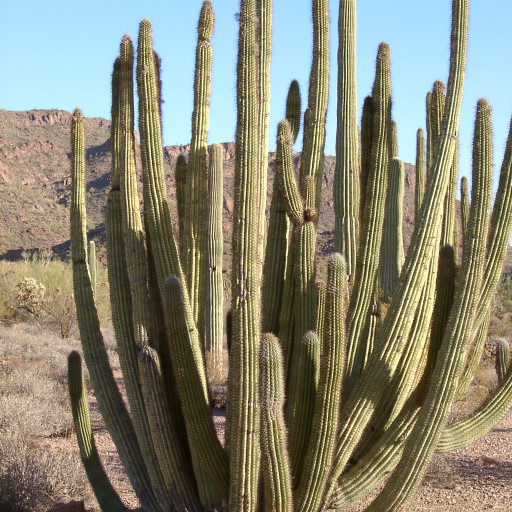
Known as the "Organ Pipe Cactus," this desert giant gets its nickname from its unique growth habit, resembling a massive set of church organ pipes rising from the earth. Native to the rocky slopes of the Sonoran Desert, it is a symbol of endurance, often living for over 150 years while braving the intense heat of the American Southwest and Mexico.
🔍 How to Identify
- 🌵 Growth Habit: Unlike many columnar cacti that have a single trunk, this species branches into multiple vertical arms starting right at ground level.
- 📏 Ribbed Stems: Each "pipe" typically features 12 to 19 deep vertical ridges, giving the plant a corrugated, architectural texture.
- 🌑 Night Blooms: It produces stunning funnel-shaped flowers that are pinkish-white; they open only at night to welcome nocturnal pollinators.
- 📍 Spine Clusters: Small, dark brown or black spines grow in clusters along the ridges, eventually turning a weathered grey as the cactus ages.
🏡 In Your Garden
- 🏜️ Drainage is Key: In a home landscape, this cactus is prone to root rot if kept in soggy soil. It thrives in "neglect," preferring rocky, mineral-heavy soil that mimics its cliffside origins.
- ☀️ Sun Seeker: While many young cacti need shade, the Organ Pipe is a true sun-worshipper. It requires intense, direct light to maintain its structural integrity and prevent "stretching."
- 🦇 Bat Connection: If you are lucky enough to see it bloom, you are witnessing an ancient ritual; the plant relies almost exclusively on nectar-feeding bats for pollination.
⚠️ Safety & Toxicity
- 🌵 Physical Hazard: While not chemically toxic to humans or pets, the spines are sharp and stiff. They can cause deep puncture wounds or skin irritation if handled without thick, professional-grade gloves.
- 🐾 Pet Safety: It is generally considered non-toxic if a curious pet nibbles it, but the physical barrier of the spines usually keeps animals at a safe distance.
✨ Fun Fact
The Organ Pipe Cactus produces a delicious, watermelon-red fruit known as "Pitaya dulce." For centuries, indigenous peoples have harvested these sweet fruits using long poles made from dried cactus ribs!

Detailed Care Instructions
| Lighting | Full Sun |
To grow a Stenocereus Thurberi plant, also known as the organ pipe cactus, you can follow these steps:
- Climate and Soil: Make sure you are in a suitable climate for growing the organ pipe cactus. They thrive in warm and dry conditions, typically found in desert regions. The soil should be well-draining, sandy or rocky.
- Planting: Choose a location with full sunlight exposure for at least six hours a day. Dig a hole in the soil large enough to accommodate the root ball of the plant. Place the plant in the hole and backfill with soil, firming it gently around the base.
- Watering: Initially, water the plant thoroughly to establish the roots, but be careful not to overwater. Once established, the organ pipe cactus is drought-tolerant and requires infrequent watering. Allow the soil to dry out between waterings.
- Fertilizing: Use a balanced, organic cactus fertilizer during the growing season (spring and summer) to provide essential nutrients. Follow the recommended dosage on the fertilizer package. Avoid fertilizing in winter when the plant is dormant.
- Pruning: Pruning is generally not required for Stenocereus Thurberi. However, you can trim off any dead or damaged branches to maintain the overall plant health.
- Protection: In colder climates or during frosty weather, protect the organ pipe cactus by covering it or moving it indoors. Ensure it is not exposed to temperatures below freezing.
- Propagation: You can propagate Stenocereus Thurberi through stem cuttings. Allow the cuttings to dry for a few days, then place them in well-draining cactus soil and provide light watering. The cuttings should root in a few weeks.
Remember, Stenocereus Thurberi is a slow-growing plant, so be patient with its growth progress. Provide it with the right conditions and it will reward you with its unique and striking presence in your garden.

Place in a bright room that is sun drenched almost all day. Or directly in a south-facing window.

To water this type of plant, you should first ensure that the soil is completely dry before watering. This can be done by sticking a finger into the soil and checking for moistness. If the soil is still damp, wait a few more days before watering.
When it is time to water, use a watering can or hose with a gentle stream to avoid disturbing the soil or damaging the plant. Water the soil around the base of the plant and avoid getting water on the leaves or stem. Allow the water to fully saturate the soil.
After watering, allow any excess water to drain away from the pot or plant. Do not leave standing water in the base of the pot as this can lead to root rot and other plant diseases.
During the growing season, typically spring and summer, water the plant thoroughly once a week. During the dormant season, usually fall and winter, reduce watering to once every two to three weeks.
Overall, it is important to monitor the soil moisture levels and adjust watering frequency accordingly. Too much or too little water can harm the plant, so finding the right balance is crucial for its health and growth.
To fertilize this plant, use a balanced fertilizer with equal amounts of nitrogen, phosphorus, and potassium. Apply the fertilizer during the growing season (spring through summer) every 2-3 weeks, diluting it to half strength. Avoid fertilizing during the fall and winter months. Water the plant thoroughly before and after fertilizing to avoid root burn.
Stenocereus Thurberi plant requires a well-draining soil mixture that is rich in organic matter. The soil pH should be slightly acidic, ranging from 6.0 to 7.0. It is recommended to mix equal parts of sand, perlite, and peat moss to create a suitable soil mixture. It is important to ensure that the soil has good aeration to allow for healthy root growth. The plant also prefers a soil that is slightly moist but not waterlogged. Adding a slow-release fertilizer to the soil mix can also provide the necessary nutrients for healthy growth.
To propagate this plant, take a sterile cutting from the parent plant. Make sure the cutting is at least a few inches long and has no signs of disease or damage. Allow the cutting to callus over for a few days, which will help prevent rot when it is planted. Then, plant the cutting in well-draining soil and keep it in a warm and humid location with medium to bright indirect light. Water the cutting sparingly, only when the soil is completely dry to the touch. Over time, the cutting should begin to root and form new growth.
Common pests of the organ-pipe cactus include Scale insect, mealybugs, spider mites. Make a habit of checking your organ-pipe cactus frequently for pests so that any infestations can be caught and managed early.








