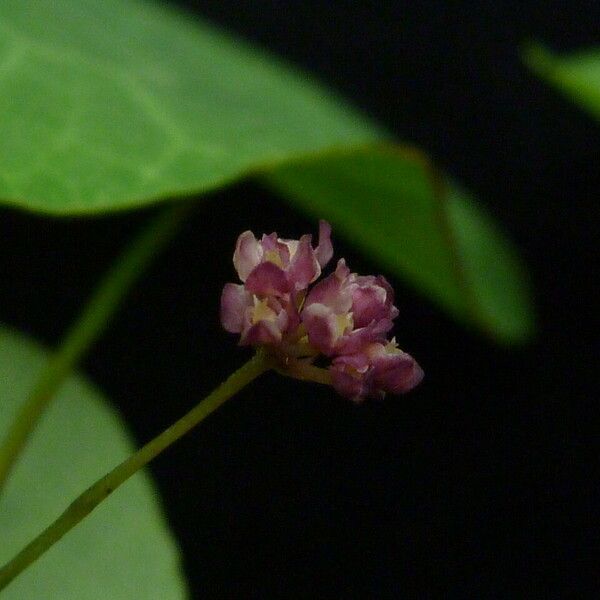
Plant Overview
Known as the "Bitter Vine" or simply "The Tuberous Stephania," this charismatic plant looks like a smooth, prehistoric boulder that decided to sprout a forest of delicate green shields. Native to the limestone mountains of Southeast Asia, it has become a "must-have" for collectors who love the dramatic contrast between a rugged, woody base and ethereal, floating foliage.
🔍 How to Identify
- 🥔 The Caudex: A large, swollen, woody tuber that sits primarily above the soil, resembling a smooth river stone or a giant, weathered potato.
- 🍃 Peltate Leaves: Perfectly circular, matte-green leaves where the stem attaches directly to the underside center, giving them the appearance of tiny floating umbrellas.
- 🧶 Slender Vines: Ultra-thin, wire-like vines that can climb several feet if provided with a trellis, or trail gracefully over the side of a pot.
🏡 In Your Garden
- 💤 The Big Sleep: This plant is famous for its dramatic dormancy; it will completely shed its leaves in the colder months. Do not panic—it isn't dead, it’s just resting! Stop watering almost entirely during this phase to prevent the base from rotting.
- ☀️ Sunburn Risk: While the leaves love bright, indirect light, the "caudex" (the woody base) can actually get scorched by direct afternoon sun. It prefers its "feet" in the shade and its "head" in the light.
- 🪴 Aversion to "Wet Feet": Because the tuber stores an immense amount of water, it is highly susceptible to rot. It requires a very gritty, well-draining substrate—think more rocks and perlite, less heavy potting soil.
⚠️ Safety & Toxicity
- 🚫 Toxic Status: Highly Toxic. Stephania rotunda contains various potent alkaloids, including tetrahydropalmatine.
- 🐾 Pets & Kids: It is not safe for consumption. Ingestion can lead to severe digestive distress or neurological symptoms in cats, dogs, and small children. Always place this plant on a high shelf or in a protected area.
✨ Fun Fact
In its native habitats in Cambodia and Vietnam, the roots of Stephania rotunda have been used for centuries in traditional medicine to treat insomnia and chronic pain. However, because it contains such powerful chemical compounds, it is considered dangerous for anyone but experts to handle medicinally!

Detailed Care Instructions








