Plant Overview
Known in its native Brazil as the Chichá-do-Cerrado, Sterculia striata is a striking deciduous tree that looks like something out of a botanical fairy tale. It is famous for its bizarre, woody fruit pods that split open to reveal a velvet-red interior and shiny black seeds, resembling a row of polished teeth. In the wild, it serves as a vital "pioneer" species, reclaiming land with its hardy nature and providing a feast for local wildlife.
🔍 How to Identify
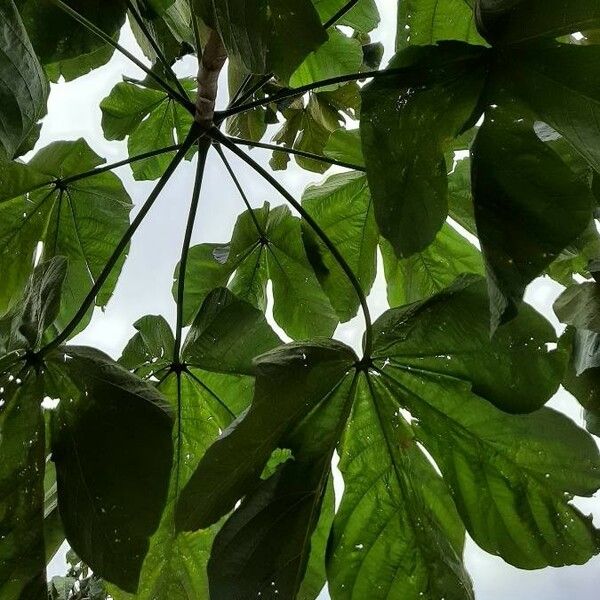
- 🍃 The Leaves: Large, heart-shaped or slightly lobed leaves that are soft to the touch. They have a distinct "dusty" or hairy texture on the underside to help them retain moisture.
- 🌸 The Bloom: Small, bell-shaped flowers that lack true petals but feature colorful, striped sepals. They usually appear in clusters before the new leaves emerge.
- 🥜 The Fruit: The most iconic feature is the woody, boat-shaped pods. When ripe, they split wide open to show off a bright scarlet lining and edible-looking black seeds tucked inside.
🏡 In Your Garden
- ☀️ Sun & Space: This tree is a sun-worshiper and requires plenty of vertical space. It is perfectly adapted to "dry-tropical" environments, meaning it is incredibly drought-tolerant once established but will drop its leaves during the dry season to conserve energy.
- 🌱 Soil & Drainage: Because it originates from the rocky and sandy soils of the Brazilian Cerrado, it absolutely hates "wet feet." Ensure your soil is well-draining; a mix with a bit of grit or sand mimics its natural home and prevents root rot.
- 🦋 Wildlife Magnet: If you plant this in a warm climate, expect a parade of visitors. The seeds are a favorite for larger birds and small mammals, while the flowers provide a unique nectar source for specialized pollinators.
⚠️ Safety & Toxicity
- 🟢 Status: Generally non-toxic and often considered useful.
- 🥜 The Seeds: While the seeds are technically edible and often roasted like peanuts in South America, they should be consumed with caution. Raw seeds can sometimes cause mild digestive upset in sensitive individuals or pets due to their high oil content.
- 🐕 Pets: There are no major reports of toxicity for dogs or cats, but the hard, woody pods can pose a choking hazard or cause intestinal blockage if chewed on by curious puppies.
✨ Fun Fact
The genus name Sterculia comes from Sterculius, the Roman god of manure! This is a reference to the unpleasant scent produced by the flowers of some species in this family, though Sterculia striata is much better known for its beautiful "peanut-like" seeds than any bad smell.

Detailed Care Instructions








