Plant Overview
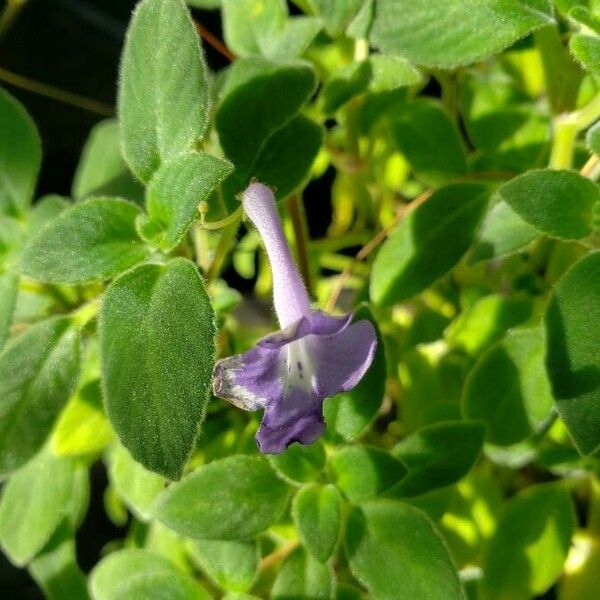
Often called the "Nodding Violet," Streptocarpus caulescens is a charming Tanzanian native that looks like a delicate woodland fairy. Unlike its famous cousin, the common African Violet, which grows in flat rosettes, this beauty develops upright, branching stems that give it a bushy, elegant silhouette. It is a favorite for indoor gardeners who want classic violet-colored blooms but with a more structural, trailing presence.
🔍 How to Identify
- 🍃 The Foliage: The leaves are small, teardrop-shaped, and covered in fine, silvery hairs that give them a soft, velvety texture. They are surprisingly fleshy, similar to a succulent.
- 🌸 The "Nodding" Blooms: Delicate lilac or pale purple flowers dangle from thin, wire-like stalks. The flowers curve downward gracefully, giving the plant its poetic common name.
- 🌿 Stem Structure: Unlike many Streptocarpus species that grow flat against the soil, this "caulescent" variety has visible, succulent stems that can grow upright or trail over the edges of a hanging basket.
🏡 In Your Garden
- ☁️ Light & Texture: This plant thrives in bright, indirect light. Because of the fine hairs on its leaves, direct sunlight acts like a magnifying glass and can cause permanent scorch marks, so keep it behind a sheer curtain.
- 💧 Watering Wisdom: Because the stems and leaves are thick and store water, the Nodding Violet is very sensitive to overwatering. It "hates wet feet" and prefers its soil to dry out significantly before the next drink to prevent root rot.
- ✂️ Shape Management: To keep it from looking "leggy," gardeners often pinch back the growing tips. This encourages the plant to branch out, resulting in a fuller, cloud-like display of purple flowers.
⚠️ Safety & Toxicity
- ✅ Safe Status: Streptocarpus caulescens is generally considered non-toxic.
- 🐾 Pet & Child Friendly: This plant is a fantastic choice for households with curious cats, dogs, or toddlers. While it isn't meant to be eaten, it lacks the harsh alkaloids found in many other tropical houseplants.
✨ Fun Fact
The genus name Streptocarpus comes from the Greek words streptos (twisted) and karpos (fruit). If you let the flowers go to seed, you’ll see the seed pods wind themselves into tight, spiral corkscrews as they ripen!

Detailed Care Instructions
To grow Streptocarpus caulescens, you can follow these steps:
- Choose a suitable location: Select a spot that receives bright, indirect light. Streptocarpus caulescens prefers bright but filtered light rather than direct sunlight, which can scorch the leaves.
- Provide the right temperature: Streptocarpus caulescens thrives in temperatures between 65-75°F (18-24°C). Avoid exposing the plant to extreme temperature fluctuations.
- Watering the plant: Keep the soil consistently moist but not waterlogged. Allow the top inch of soil to dry between watering. Water the plant from the bottom by placing the pot in a saucer with water and letting it soak up water through the drainage holes.
- Humidity requirements: Streptocarpus caulescens prefers higher humidity levels. You can increase humidity by placing the pot on a tray with water or using a humidifier. Alternatively, you can mist the leaves with water regularly to provide some moisture.
- Fertilization: Use a balanced, water-soluble fertilizer once a month during the growing season (spring and summer). Dilute the fertilizer to half or a quarter the recommended strength to avoid over-fertilization.
- Repotting: Streptocarpus caulescens doesn't require frequent repotting. However, if the plant becomes root-bound or the soil quality declines, repot it in fresh, well-draining soil. Choose a pot that is slightly larger than the current one.
- Pruning: Prune off any dead or damaged leaves to encourage new growth. Additionally, removing spent flowers will promote more blooms.
- Propagation: Streptocarpus caulescens can be propagated through leaf cuttings. Take a healthy leaf and cut it into sections with each section having a vein. Plant the leaf sections in a well-draining potting mix, ensuring the cut side is inserted into the soil. Keep the soil moist and you should see new growth within a few weeks.
By following these guidelines, you can successfully grow and care for your Streptocarpus caulescens plant.

Place in a window with dappled sun or a spot in the middle of a room. Or directly in a window facing west or east.

To properly water Streptocarpus caulescens, you should follow certain guidelines:
1. Determining the water needs: It is important to assess the specific water requirements of Streptocarpus caulescens. This can vary depending on factors like the plant's age, size, and stage of growth.
2. Observe the soil moisture: Before watering, check the moisture level of the soil. Insert your finger about an inch deep into the soil to feel if it is dry or moist. Streptocarpus caulescens prefers to be kept in slightly moist soil but not overly wet or waterlogged.
3. Provide the right amount of water: Once you have assessed the soil moisture, water the plant accordingly. As a general rule, water the plant thoroughly, allowing the water to soak into the soil until it reaches the root zone. Avoid shallow watering as it may lead to inadequate hydration.
4. Watering frequency: The frequency of watering will depend on various factors like humidity, temperature, and the season. Streptocarpus caulescens typically needs to be watered when the top inch of soil feels dry. It is essential to avoid both underwatering and overwatering the plant, as it can negatively impact its health.
5. Watering technique: To ensure proper watering, use a watering can with a narrow spout or a gentle watering nozzle. This helps in directing the water to the plant's base, facilitating even absorption. Avoid wetting the foliage excessively, as it can lead to fungal diseases.
6. Drainage: Streptocarpus caulescens requires well-draining soil to prevent waterlogging. Check if the pot has drainage holes to allow excess water to escape. Discard any water that accumulates in the saucer or tray below the pot to avoid waterlogging.
7. Seasonal adjustments: During the hot summer months, Streptocarpus caulescens may require more frequent watering due to increased evaporation rates. In winter or colder seasons, reduce the watering frequency as the plant's growth slows down. Adjust the watering schedule according to the plant's needs and the surrounding environment.
Remember that these guidelines are general, and it is important to monitor your Streptocarpus caulescens closely to understand its individual watering requirements.
To fertilize Streptocarpus Caulescens plant:
- Choose a balanced, water-soluble fertilizer with an N-P-K ratio of 10-10-10 or similar. Avoid fertilizers high in nitrogen.
- Dilute the fertilizer according to the instructions on the package. Use half the recommended strength to prevent fertilizer burn.
- Water the plant thoroughly before applying fertilizer to ensure it's well-hydrated.
- Apply the diluted fertilizer solution evenly around the base of the plant, taking care not to touch the leaves.
- Avoid over-fertilization by applying fertilizer once every four to six weeks, or as directed on the fertilizer package.
- During the plant's active growth phase, which is typically in spring and summer, fertilize every two to three weeks for optimal results.
- It is recommended to flush the soil occasionally to prevent salt buildup. This can be done by watering the plant with plain water once every few months or when you notice the soil becoming overly salty.
- Monitor the plant's response to the fertilizer. If it shows signs of fertilizer burn (such as wilting or brown edges on the leaves), reduce the fertilizer concentration or frequency of application.
- Keep in mind that Streptocarpus Caulescens plants prefer slightly acidic conditions, so avoid alkaline fertilizer formulations.
- Regularly observe the plant for any signs of nutrient deficiencies, such as yellowing leaves or stunted growth. Adjust the fertilizer application accordingly to address these issues.
When growing Streptocarpus caulescens, it is important to choose the right type of soil to provide optimal conditions for its growth and development. This plant thrives in well-draining soil that is rich in organic matter. Here are some details about the ideal soil for Streptocarpus caulescens:
- Texture: The soil should be lightweight and well-aerated, allowing water to drain easily. It is recommended to use a soil mix with a loamy or sandy texture, which helps prevent waterlogging and root rot.
- pH level: Streptocarpus caulescens prefers slightly acidic to neutral soil. The pH level should ideally range between 5.5 and 7.0 to ensure proper nutrient availability for the plant.
- Organic matter: Incorporating organic matter, such as compost or well-rotted leaf mold, into the soil is highly beneficial. This helps improve moisture retention, nutrient content, and overall soil structure, which supports healthy root growth.
- Nutrient content: Streptocarpus caulescens requires a balanced nutrient supply for vigorous growth. The soil should be supplemented with slow-release fertilizers or regular applications of a balanced water-soluble fertilizer formulated for houseplants. This ensures that the plant receives essential macronutrients and micronutrients.
- Moisture retention: While the soil should have excellent drainage, it should also retain some moisture to provide hydration to the plant. Avoid using soil that dries out too quickly or retains too much water, as these extremes can lead to problems like root rot or dehydration.
- Sterility: It is advisable to use sterile soil or sterilize the soil before planting to prevent the introduction of pests, diseases, or weeds. This helps maintain a healthy growing environment for the Streptocarpus caulescens plant.
Remember to monitor the moisture levels regularly and adjust watering accordingly to maintain the proper balance for the plant's needs. Providing the appropriate soil conditions plays a crucial role in promoting the growth, blooming, and overall health of Streptocarpus caulescens.
To propagate Streptocarpus Caulescens, also known as the African Violet family, you can follow these steps:
- Start by preparing a clean working area and gather the necessary materials, including pots or containers, well-draining potting mix, a sharp knife or scissors, rooting hormone (optional), and a spray bottle filled with water.
- Select a healthy and mature Streptocarpus Caulescens plant for propagation. Look for plants that have strong stems, plenty of leaves, and no signs of disease or pests.
- Carefully remove a leaf from the plant by cutting it off near the base using a clean knife or scissors. Avoid tearing the leaf as this may damage the tissue and hinder root development.
- If desired, dip the cut end of the leaf in rooting hormone powder or gel. This step is optional but can help promote faster root development.
- Fill a small pot or container with well-draining potting mix. Make a small hole in the soil using a pencil or your finger.
- Insert the cut end of the leaf into the hole, ensuring that at least half an inch of the stem is buried in the soil. Gently firm the soil around the leaf to hold it in place.
- Lightly mist the soil and the leaf with water using a spray bottle. This will help maintain humidity around the cutting and prevent it from drying out.
- Place the potted cutting in a warm and bright location, away from direct sunlight. Maintain a temperature between 70-75°F (21-24°C) to encourage root development.
- Check the moisture level of the soil regularly and mist the cutting whenever it feels dry. Avoid overwatering as it can lead to root rot.
- After a few weeks, new roots will begin to form from the buried stem. At this point, you can gently tug on the cutting to check for root development. Once there are sufficient roots, you can transplant the cutting into a slightly larger pot with standard potting mix.
- Continue to care for the newly propagated plant by providing it with bright, indirect light and regular watering. Avoid overwatering and minimize the risk of disease by allowing the soil to dry out slightly between waterings.
By following these steps, you should be able to successfully propagate Streptocarpus Caulescens and enjoy growing new plants from leaf cuttings.
Common pests of the nodding violet include Mealybugs, spider mites, aphids, thrips. Make a habit of checking your nodding violet frequently for pests so that any infestations can be caught and managed early.








