Plant Overview
Known as the "Pindaíba" or the "Brazilian Snowbell," Styrax pohlii is a graceful tree that acts as a natural guardian of South American riverbanks. It is beloved for its delicate, pendulous white flowers that hang in clusters like tiny, glowing lanterns against its dark foliage. This tree is a hero of the Atlantic Forest and Cerrado, often used in reforestation projects to bring life back to tired soil.
🔍 How to Identify
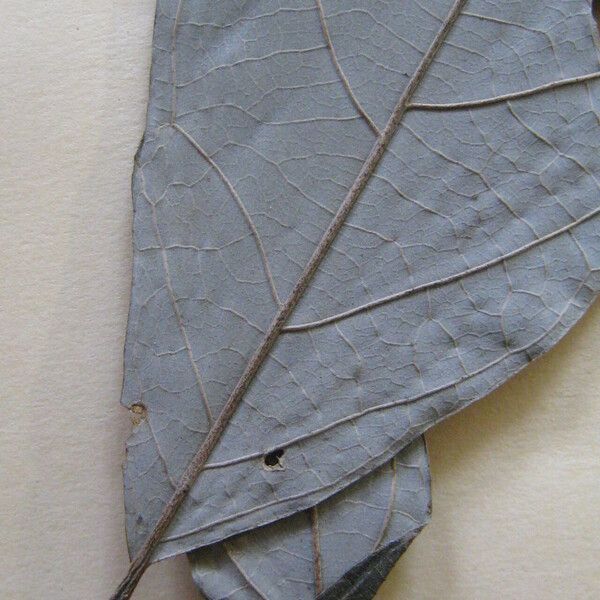
- 🍃 Bicolored Leaves: The leaves are a deep, glossy green on the top, but if you flip them over, they reveal a stunning silvery or rusty-white fuzzy underside.
- 🔔 Snowbell Blossoms: It produces small, star-shaped white flowers that hang downward. They usually appear in clusters and have a soft, sweet fragrance that attracts bees.
- 🌳 Growth Habit: A small to medium-sized tree with a relatively slender trunk and a rounded crown, making it look elegant even when not in bloom.
🏡 In Your Garden
- 💧 Thirst for Moisture: This species is naturally "hydrophilic," meaning it loves water. It is happiest when planted near a pond, stream, or in soil that stays consistently moist.
- 🌱 Restoration Specialist: Because it grows quickly and is quite hardy in tropical climates, it’s a perfect "pioneer" plant. It provides quick shade and shelter for slower-growing, more sensitive plants to take root underneath it.
⚠️ Safety & Toxicity
- ✅ Generally Safe: Styrax pohlii is not considered toxic to humans, dogs, or cats. It is a very "friendly" tree to have in a residential landscape.
- 🖐️ Resin Sensitivity: While the tree is safe, some people may experience minor skin irritation if they come into contact with the sticky resin found in the bark if the tree is wounded.
✨ Fun Fact
The genus name Styrax refers to the aromatic resin (often called "Benzoin") produced by many trees in this family. This resin has been harvested for thousands of years to be used as incense in temples and as a fixative in high-end perfumes!

Detailed Care Instructions








