Plant Overview
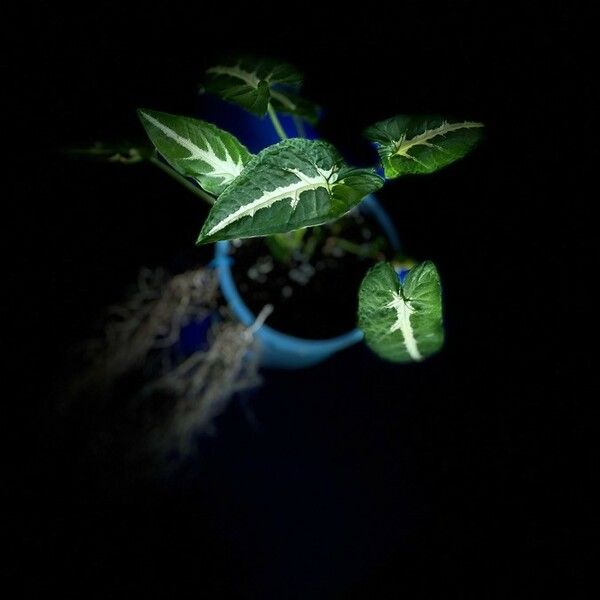
Often called the "Silver Goosefoot," Syngonium wendlandii is the moody, sophisticated cousin of the common Arrowhead Vine. Hailing from the lush tropical forests of Costa Rica, it swaps the typical glossy finish of its relatives for a luxurious, deep-green velvet texture. It is a favorite for indoor gardeners who want a "gothic tropical" aesthetic that feels high-end but remains relatively easy to grow.
🔍 How to Identify
- 🌿 Velvet Foliage: The most striking feature is the matte, velvety texture of the leaves, which feel soft to the touch and absorb light rather than reflecting it.
- 🤍 Silver Midrib: A bold, shimmering silver-white stripe runs down the center of each leaf, looking almost like a streak of neon light against the dark emerald background.
- 🏹 Arrowhead Shape: In its juvenile stage, the leaves are shaped like elegant, narrow arrowheads. As the plant matures, these leaves can develop deep lobes near the stem.
🏡 In Your Garden
- 🌫️ The Humidity Factor: Coming from the rainforest, this plant craves moisture in the air. If the edges of those velvet leaves turn brown and crispy, it’s a sign that the air is too dry; a pebble tray or a nearby humidifier will keep it happy.
- 🌤️ Light Sensitivity: Because of its dark pigment and velvet surface, it is more sensitive to sunburn than other Syngoniums. It prefers "dappled" light—think of the light that filters through a forest canopy.
- 🧗 Supportive Growth: While it looks lovely trailing from a hanging basket, providing a moss pole allows the plant to climb. When it climbs, the leaves tend to grow larger and more dramatic in shape.
⚠️ Safety & Toxicity
- 🚫 Toxic Status: Syngonium wendlandii is considered toxic to both humans and pets.
- 🐾 The Irritant: The plant contains insoluble calcium oxalate crystals. If a leaf is bitten or chewed, it causes immediate mouth pain, swelling of the tongue, and drooling. It is best kept on high shelves or in hanging pots away from curious cats, dogs, and toddlers.
✨ Fun Fact
The Syngonium is a true "shape-shifter" of the plant world. This phenomenon, known as heterophylly, means the plant's leaves look completely different at different stages of its life. While we love the simple silver arrowheads, a mature Syngonium wendlandii in the wild will eventually produce leaves divided into three to five distinct leaflets!

Detailed Care Instructions
| Lighting | Part Sun |
| Toxicity | Non-Toxic |
To grow a Syngonium Wendlandii plant, follow these steps:
- Choose a suitable location: Syngonium Wendlandii plants prefer indirect, bright light. Avoid exposing them to direct sunlight, as it can scorch the leaves. They can thrive in both indoor and outdoor settings.
- Choose the right pot and soil: Pick a pot with adequate drainage holes to prevent waterlogging. Use a well-draining potting mix that consists of equal parts peat moss, perlite, and potting soil.
- Planting: Carefully remove the plant from its nursery pot and gently loosen the roots. Place it in the new pot and fill the rest of the space with the potting mix, ensuring that the crown of the plant is at or slightly above the soil level.
- Watering: Syngonium Wendlandii plants prefer consistently moist soil, but be cautious not to overwater. Allow the top inch of soil to dry out before watering again, and avoid letting the plant sit in standing water.
- Humidity and temperature: Syngonium Wendlandii plants thrive in high humidity. Regularly misting the leaves or using a humidifier can help maintain the desired humidity level. They prefer temperatures between 60-75°F (15-24°C), so avoid exposing them to extreme cold or heat.
- Fertilizing: Feed your Syngonium Wendlandii plant once every two weeks during the growing season with a balanced houseplant fertilizer. Follow the instructions on the fertilizer package for the correct dosage.
- Pruning and shaping: To encourage bushy growth, pinch off the tips of the stems regularly. You can also prune any excess growth to maintain the desired shape and size of the plant.
- Support: Syngonium Wendlandii plants are climbers, so providing a support structure like a moss pole or trellis can help promote vertical growth. Gently tie the stems to the support structure using soft plant ties or twine.
- Propagation: Syngonium Wendlandii plants can be propagated through stem cuttings. Take a 3-4 inch stem cutting with at least one node, remove the lower leaves, and place it in a jar of water or moist potting mix until roots develop. Once rooted, transfer the cutting to a pot with well-draining soil.
- Pests and diseases: Syngonium Wendlandii plants are susceptible to common houseplant pests like aphids, spider mites, and mealybugs. Regularly check the plant for signs of infestation, and if necessary, treat with insecticidal soap or a natural pest control method.
Remember to research specific care instructions for the Syngonium Wendlandii plant, as individual plants may have unique preferences and requirements.

Place in a window with dappled sun or a spot in the middle of a room. Or directly in a window facing west or east.
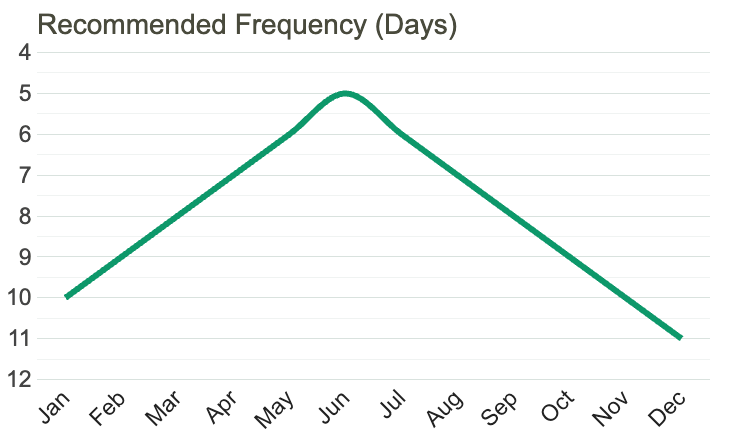
To properly water this specific plant species, it is recommended to submerge the pot into a bowl or basin of water until the soil is saturated. After watering, it is important to allow excess water to drain out before putting it back in its regular spot. Overwatering can lead to root rot and other harmful issues. It is also important to avoid letting this plant dry out completely as it prefers consistently moist soil.
To fertilize the Syngonium Wendlandii plant, use a balanced N-P-K fertilizer once a month during the growing season (spring and summer). Dilute the fertilizer to half strength and apply to the soil around the plant's root zone. Avoid getting the fertilizer on the plant's leaves or stems, as this can cause burning and damage. Additionally, in the winter months, reduce the frequency of fertilizing to once every two to three months.
Syngonium Wendlandii plant grows best in a well-draining, nutrient-rich soil. The ideal soil for this plant is a mix of peat moss, vermiculite, and perlite. It should be kept moist but not waterlogged to ensure healthy growth. Fertilization should be done every two weeks during the growing season with a balanced liquid fertilizer. It is also recommended to repot the plant every year in fresh soil to prevent root rot and promote vigorous growth.
Syngonium Wendlandii can be propagated through stem cuttings. Select a healthy and mature stem of the parent plant and cut it at an angle using a sharp and sterilized knife. Ideally, the cutting should be about 6 inches long. Remove the lower leaves of the stem and leave a few leaves at the tip.
Dip the cut end of the stem into rooting hormone powder to encourage root growth. Then, place the stem cutting in a small pot filled with a well-draining potting mix. Water the soil well and cover the pot with a plastic bag to create a humid environment for the cutting.
Put the pot in a bright, warm spot that receives filtered sunlight. Avoid direct sunlight as it can result in leaf scorching. Keep the soil moist but make sure not to over-water it as it can cause the stem to rot.
After a few weeks, the cutting should start developing roots. Wait until the roots have grown enough to hold the soil together before transplanting it into a bigger pot. From here, you can care for your new Syngonium Wendlandii plant as you would for a mature plant.
Common pests of the silver goosefoot plant include Mealybugs, spider mites, thrips. Make a habit of checking your silver goosefoot plant frequently for pests so that any infestations can be caught and managed early.