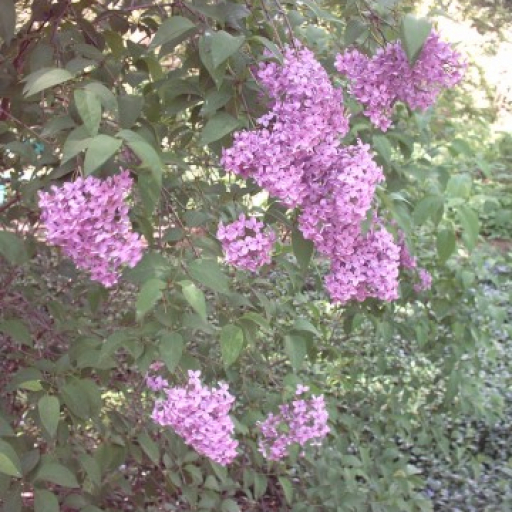
Plant Overview
Often called the Persian Lilac, this shrub is the elegant, refined cousin of the common garden lilac. Known for its intoxicating, spicy-sweet fragrance that travels easily on a spring breeze, it has been a garden favorite since the mid-1600s. Despite its name, it is a seasoned traveler of the ancient Silk Road, bridging the gap between wild Asian landscapes and classic cottage gardens.
🔍 How to Identify
- 🍃 Elegant Foliage: Unlike the broad, heart-shaped leaves of the common lilac, the Persian variety features narrower, lance-shaped leaves that give the bush a lighter, more airy texture.
- 🌸 Delicate Panicles: It produces loose, pyramid-shaped clusters of pale lavender flowers. The individual blossoms are tiny four-petaled stars that appear much more "foamy" than other lilac varieties.
- 🌿 Graceful Form: This shrub naturally grows in a rounded, arching mound. It stays more compact than its relatives, rarely exceeding 8 feet in height, making it perfect for smaller suburban plots.
🏡 In Your Garden
- ☀️ Sun Seeker: To achieve that signature explosion of purple in the spring, this plant demands full sun. If tucked away in the shade, the branches become "leggy" and the flower count will drop significantly.
- 🌬️ Mildew Resistance: One of its greatest strengths is a higher natural resistance to powdery mildew. While other lilacs might look dusty by mid-summer, the Persian Lilac typically keeps its crisp, green appearance much longer.
- ✂️ The Pruning Window: Timing is everything. You must prune this plant immediately after the flowers fade in late spring. If you wait until winter, you will accidentally cut off next year's flower buds!
⚠️ Safety & Toxicity
- 🛡️ Non-Toxic Status: The Persian Lilac is generally considered non-toxic to dogs, cats, and horses. It is a very safe choice for family-friendly landscapes and sensory gardens.
- 🐝 Pollinator Buffet: While safe for humans, it is "irresistible" to butterflies and bees. If you are highly allergic to bee stings, avoid planting it directly next to a high-traffic doorway or patio seating.
✨ Fun Fact
For centuries, botanists believed this was a distinct wild species from Persia. However, modern DNA testing revealed it is actually an ancient, naturally occurring hybrid that likely originated in the mountains of China before being traded westward along the Silk Road.

Detailed Care Instructions
| Humidity | Normal |
| Lighting | Full Sun |
| Difficulty | Medium |
| Hibernation | Cold Period |
| Hardiness Zones | 3 - 7 |
To grow a Syringa Persica plant, follow these steps:
- Choose a suitable location: Syringa Persica prefers full sun, so select a spot in your garden that receives at least 6 hours of direct sunlight per day. The soil should be well-draining to avoid waterlogged conditions.
- Prepare the soil: Before planting, amend the soil with organic matter like compost or well-rotted manure to improve fertility and drainage. Work the organic matter into the top layer of the soil.
- Planting: Dig a hole slightly wider and deeper than the plant's root ball. Place the plant in the hole, ensuring that the top of the root ball is level with or slightly above the ground. Backfill the hole with soil, firming it gently around the roots.
- Watering: Water the plant thoroughly after planting and keep the soil consistently moist (but not overly saturated) during the first growing season. Once established, Syringa Persica is relatively drought-tolerant but still appreciates regular watering during dry spells.
- Mulching: Apply a layer of organic mulch, such as wood chips or shredded bark, around the base of the plant. This will help retain moisture, suppress weed growth, and maintain a more stable soil temperature.
- Pruning: Prune Syringa Persica plant immediately after flowering, in late spring or early summer. Remove dead or damaged branches, and thin out congested growth to improve air circulation. This will enhance the plant's health and shape.
- Fertilizing: Feed the plant with a balanced slow-release fertilizer in early spring and again in late summer or early fall. Follow the product instructions for the appropriate dosage.
- Pest and disease control: Syringa Persica is generally resistant to pests and diseases. However, you may occasionally encounter issues such as aphids or powdery mildew. To prevent these problems, ensure adequate air circulation around the plant and remove any affected leaves or branches promptly.
Remember to research your specific climatic conditions and adjust the care instructions accordingly. Syringa Persica is a hardy and beautiful plant that can bring fragrance and charm to your garden.

Place in a bright room that is sun drenched almost all day. Or directly in a south-facing window.

To water this plant, first determine if the soil is dry to the touch. If it is, slowly pour water onto the soil around the base of the plant, taking care not to water too close to the stem or leaves. Allow the water to soak into the soil before adding more to avoid flooding the roots. Water deeply but avoid leaving standing water around the plant, which can lead to root rot. Avoid getting water on the leaves or flowers, which can cause damage or disease. Watering should be done regularly, without letting the soil dry out completely between waterings.
For optimal growth and health, it is recommended to fertilize Syringa Persica plants in the early spring or fall. Use a balanced fertilizer with equal amounts of nitrogen, phosphorus, and potassium. Dilute the fertilizer in water according to the instructions on the package and apply it at the base of the plant.
Avoid fertilizing when the soil is dry, as it can cause root burn. Water the plant a day before fertilizing to ensure the soil is moist. Be careful not to over-fertilize, as excessive nutrients can lead to weak growth and disease susceptibility.
Alternatively, you can use organic fertilizers such as compost or aged manure. Apply a layer of organic material around the base of the plant, then water it in thoroughly. This will help to enrich the soil and provide nutrients to the plant slowly over time.
Remember to always follow the instructions on the fertilizer package and avoid getting the fertilizer on the plant's leaves or flowers, as this can cause burning and damage.
It is recommended to use well-draining soil with good aeration for the Syringa Persica plant. The soil pH should be slightly acidic to neutral, with a range of 5.5 to 7.5. The soil should also be rich in organic matter, which will provide nutrients and support healthy growth. The plant prefers moist soil, but overwatering should be avoided as it can lead to root rot. In addition, the soil should be kept weed-free to prevent competition for nutrients and water. A layer of mulch can also be added to help retain moisture and suppress weeds. Overall, a high-quality, nutrient-rich soil will promote optimal growth and health for the Syringa Persica plant.
To propagate this plant, start by taking stem cuttings from a healthy parent plant. Cut a few inches of stem from the tip of the plant and remove any leaves from the bottom half of the stem. Dip the cut end in a rooting hormone powder to promote root growth. Then, plant the stem cutting in a well-draining, moist soil mix and cover it with a plastic bag to create a humid environment. Keep the plant in a brightly-lit but shaded area and water it regularly. After a few weeks, the plant should develop roots and can be acclimated to a more permanent location.








