Plant Overview
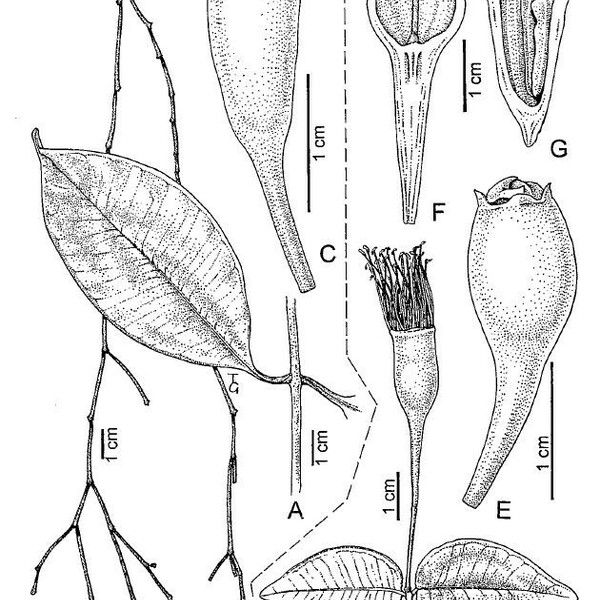
Often referred to as the "Loose-racemed Myrtle," Syzygium laxeracemosum is a rare and elegant evergreen tree native to the rain-drenched forests of New Caledonia. It belongs to the diverse Myrtle family, sharing a lineage with the common Clove and the Rose Apple. This species is prized by rare plant collectors for its graceful, drooping flower displays that seem to drip from the branches like delicate ornaments.
🔍 How to Identify
- 🍃 Waxy Foliage: The leaves are elongated, lance-shaped, and have a deep green, polished sheen that helps the plant shed heavy tropical rainwater.
- 🌸 Lax Inflorescence: Its most defining feature is the "lax" or loose clusters of flowers. Unlike the dense puffs of other Syzygium species, these white-to-cream blossoms hang on long, slender stems.
- 🍒 Globular Berries: Once the flowers fade, they are replaced by small, fleshy round fruits that transition from a pale green to a darker, bruised purple when mature.
🏡 In Your Garden
- 💧 High-Moisture Specialist: Because it originates from humid archipelago forests, this plant cannot tolerate dry air or parched soil. It is an excellent candidate for a large conservatory or a sheltered, humid corner of a tropical garden.
- 🌳 Growth Habit: It typically grows as a large shrub or small tree. While it is slow-growing, it establishes a sturdy, woody trunk over time, making it a "legacy plant" that can live for decades with the right care.
⚠️ Safety & Toxicity
- 🟢 General Safety: There are no documented cases of severe toxicity for Syzygium laxeracemosum. Most members of this genus are generally considered safe for handling.
- 🚫 Dietary Caution: While some of its cousins produce popular edible fruits (like the Water Apple), the fruit of S. laxeracemosum is not traditionally consumed by humans. To avoid stomach upset, keep the berries away from curious pets and children.
✨ Fun Fact
The genus name Syzygium comes from the Greek word "syzygos," which means "joined" or "yoked." This refers to the way the leaves are paired opposite each other on the stems, a characteristic trait that makes them look perfectly balanced.

Detailed Care Instructions








