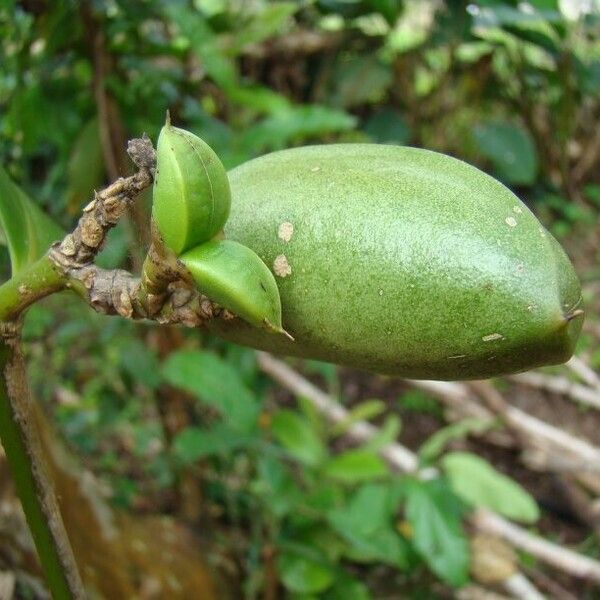
Plant Overview
Often referred to as the Amazonian Pinwheel, Tabernaemontana markgrafiana is a tropical gem that looks like it was plucked straight from a rainforest dream. Known for its elegant, propeller-shaped white blossoms and deep-green foliage, this plant brings an air of exotic mystery to any collection. In its native South American habitats, it is often whispered about in local folklore as a plant of both healing and caution due to its potent milky sap.
🔍 How to Identify
- 🌀 The Flowers: Look for brilliant white, five-petaled blooms that appear twisted or "spiraled" like a pinwheel. They often feature a subtle yellow eye at the center and emit a sweet, heavy fragrance, especially in the evening.
- 🍃 The Foliage: The leaves are large, elliptical, and have a high-gloss finish. They grow in opposite pairs and have prominent, deep-set veins that give the plant a lush, corrugated texture.
- 🥛 The Sap: If a leaf or stem is broken, the plant immediately exudes a thick, white, milky latex. This is a primary trademark of the Tabernaemontana genus.
🏡 In Your Garden
- ☁️ Tropical Humidity: Because this species hails from the Amazon basin, it craves high humidity. If you are growing it indoors, it will appreciate a pebble tray or a humidifier to prevent its glossy leaf tips from browning.
- 🌱 Root Sensitivity: This plant prefers a "set it and forget it" approach to its roots. It dislikes frequent repotting, as its root system is somewhat delicate; choose a well-draining, rich organic soil to keep it happy for the long term.
- ☀️ Light Nuance: While it loves brightness, the Markgrafiana can get "sunburned" in direct, harsh midday light. It thrives best in dappled shade or bright indirect light, mimicking the way sunlight filters through the jungle canopy.
⚠️ Safety & Toxicity
- 🚫 Status: Toxic to humans and pets.
- 🐾 Details: Like many members of the Apocynaceae family, the milky sap contains alkaloids that can cause skin irritation or rashes upon contact. If ingested by curious cats, dogs, or children, it can cause severe stomach upset, drooling, and vomiting. Always wear gloves when pruning.
✨ Fun Fact
This plant was named in honor of Friedrich Markgraf, a famous 20th-century German botanist who was an expert on the dogbane family. Many species in this genus are currently being studied by scientists for their complex chemical compounds, which may hold secrets for future medicinal breakthroughs!

Detailed Care Instructions







