Plant Overview
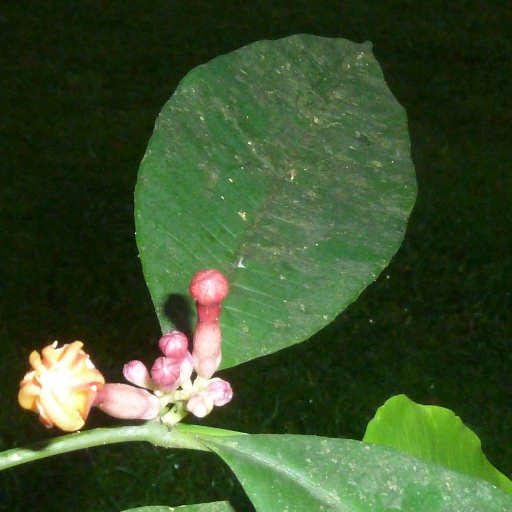
Deep within the lush, humid canopies of the Amazon rainforest, the Tabernaemontana undulata flourishes as a striking tropical evergreen. Often nicknamed the "Fried Egg Plant" due to its white-and-yellow blossoms, or known as Sanango in traditional medicine, this plant is as mysterious as it is beautiful. It is celebrated by indigenous cultures for its potent spiritual and medicinal properties, making it a plant of both physical beauty and deep cultural significance.
🔍 How to Identify
- 🍃 Wavy Foliage: True to its name (undulata), the large, glossy green leaves have distinctly "undulating" or wavy margins that catch the light beautifully.
- 🍳 "Fried Egg" Flowers: The fragrant, creamy white flowers feature five twisted, propeller-like petals surrounding a bright orange-yellow center, remarkably resembling a sunny-side-up egg.
- 🌳 Growth Habit: This species typically grows as a large shrub or small tree, reaching heights of 6 to 15 feet when given enough space to thrive.
- 💧 Milky Sap: Like many members of the Apocynaceae family, the stems and leaves release a thick, white milky latex when broken or cut.
🏡 In Your Garden
- 🌡️ Tropical Cravings: Because it hails from the Amazon, this plant is not frost-tolerant. It requires consistent warmth and high humidity; if you live in a cooler climate, it thrives best in a heated conservatory or a large greenhouse.
- 🌿 Soil & Drainage: It prefers rich, organic-heavy soil that stays moist but never soggy. The "Sanango" hates "wet feet," so ensure your pot or garden bed has excellent drainage to prevent root rot.
- ☀️ Dappled Light: In the wild, it grows under the forest canopy. In a home setting, it appreciates bright, indirect light rather than harsh, direct afternoon sun which can scorch those signature wavy leaves.
⚠️ Safety & Toxicity
- 🚫 Status: Toxic to Humans and Pets.
- 🧪 Alkaloid Content: The plant contains various alkaloids (similar to those found in Iboga). Ingestion can cause severe stomach upset, dizziness, or more serious neurological symptoms.
- 🐾 Latex Irritation: The milky sap can cause skin irritation or "dermatitis" on contact. Keep it away from curious pets and children, and always wear gloves when pruning.
✨ Fun Fact
In some Amazonian traditions, juice from the Tabernaemontana undulata is used as "eye drops" by hunters. It is believed to sharpen their vision, improve their focus, and help them perceive movement in the shadows of the dense jungle more effectively!

Detailed Care Instructions
To grow Tabernaemontana Undulata (also known as Wave-leaf Crape Jasmine), follow these steps:
- Obtaining the plant: You can either purchase Tabernaemontana Undulata seeds or a young plant from a nursery. If you want to start from seeds, soak them in warm water for 24 hours before planting.
- Choosing the right location: Tabernaemontana Undulata thrives in full sunlight or partial shade. Select a spot in your garden or balcony that receives at least 6-8 hours of sunlight per day.
- Soil preparation: The soil should be well-draining and rich in organic matter. Prepare the soil by adding compost or well-rotted manure to improve its fertility.
- Planting: Start by digging a hole that is slightly larger than the root ball of the plant or seedling. Place the plant in the hole and backfill with soil, ensuring that the top of the root ball is level with the ground. Gently firm the soil around the plant.
- Watering: After planting, water the Tabernaemontana Undulata thoroughly and deeply. During the initial establishment period, water it regularly to keep the soil consistently moist but not waterlogged. Once the plant is established, reduce watering but make sure the soil does not dry out completely.
- Fertilizing: Use a balanced, slow-release fertilizer in the spring to promote healthy growth. Follow the manufacturer's instructions for the proper application rate and frequency.
- Pruning: To maintain a compact and bushy shape, prune Tabernaemontana Undulata regularly. Remove any dead, damaged, or overgrown branches. Pruning also encourages fresh growth and better flowering.
- Pests and diseases: Monitor the plant regularly for pests such as aphids, scales, or mealybugs, and treat them with an appropriate insecticide if necessary. Also, keep an eye out for fungal diseases like powdery mildew and treat them as soon as they appear.
- Mulching: Apply a layer of organic mulch around the base of the plant to conserve moisture, suppress weeds, and provide insulation to the roots. Avoid placing mulch directly against the stem to prevent rot.
- Propagation: If you want to propagate more Tabernaemontana Undulata plants, you can do so through stem cuttings or by dividing established clumps.
Remember to research the specific needs and requirements of this plant to ensure optimal growth and health.
To water this plant, pour water slowly onto the soil surrounding the base of the plant until the water begins to pool on the surface. Allow the water to fully absorb into the soil before watering again. Avoid getting water on the leaves or flowers of the plant, as this can cause damage or disease. Water the plant once a week or as needed, taking into consideration the humidity and temperature of the plant's environment. If the soil feels dry to the touch, it is time to water.
To fertilize this plant, use a balanced fertilizer with equal amounts of nitrogen, phosphorus, and potassium. Apply the fertilizer every two to three weeks during the growing season, which is typically in the spring and summer months. Be sure to follow the instructions on the fertilizer package for mixing and application rates. Avoid over-fertilization as this can cause damage to the plant. Water the plant after fertilization to help distribute the nutrients evenly throughout the soil.
Tabernaemontana Undulata requires a well-draining soil that is rich in nutrients and organic matter. It is recommended to use a soil mix that is high in perlite, vermiculite, or sand to ensure adequate drainage. The pH of the soil should be slightly acidic to neutral, with a range of 6.0-7.0. Additionally, the soil should contain adequate amounts of nitrogen, phosphorus, and potassium, along with other micronutrients. It is important to avoid soil mixes that are too heavy or dense, as this can impede drainage and lead to root rot. Instead, a loose, sandy soil mix will work best for this plant.
To propagate this plant, first, obtain stem cuttings that are at least 6 inches long. Cut the stem at a 45-degree angle just below a node. Remove any leaves from the bottom half of the stem. Dip the cut end of the stem into rooting hormone and plant it in a mixture of sand and perlite or a well-draining potting soil. Water the cutting regularly, but do not overwater. Place the cutting in a warm, humid location with bright, indirect light. After a few weeks, new growth should appear, indicating that the cutting has rooted. Once the cutting has developed strong roots, it can be transplanted into a larger container or planted directly into the ground.








