Plant Overview
Known affectionately as "Irish Lace" or the "Anise Marigold," Tagetes filifolia is the elegant, refined cousin of the common garden marigold. While its relatives show off with giant, fiery blooms, this species wins hearts with its delicate, fern-like foliage and a scent so sweet it is often mistaken for licorice or root beer. It is a tiny powerhouse of fragrance that brings a soft, misty texture to any herb garden or container.
🔍 How to Identify
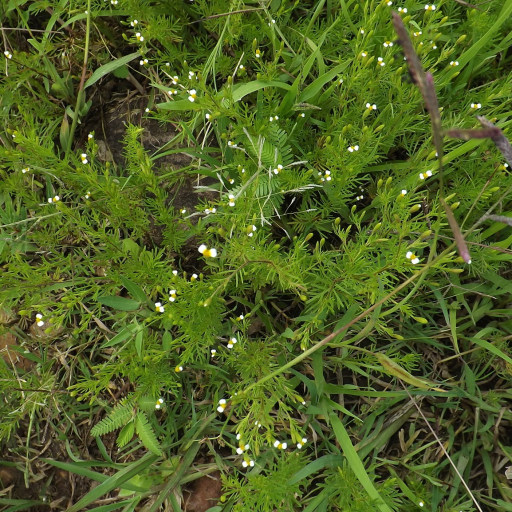
- 🌿 Feathery Foliage: The leaves are exceptionally fine, bright green, and thread-like, giving the plant a soft, mossy appearance that resembles dill or fennel.
- 🌼 Inconspicuous Blooms: Unlike showy marigolds, its flowers are tiny, star-shaped, and creamy-white, often remaining "hidden" within the dense greenery.
- 👃 Aromatic Signature: Rubbing the leaves releases a potent, sugary fragrance of anise or tarragon that can perfume an entire corner of a patio.
🏡 In Your Garden
- 🌱 The Taproot Secret: Irish Lace develops a sensitive taproot and "hates" being moved. It is best to sow seeds directly into their final home, as transplanting often leads to a long period of wilting or stunted growth.
- ☕ Culinary Companion: This plant is more of an herb than an ornamental; the leaves are frequently used to brew sweet teas or as a gourmet garnish for summer salads and fruit plates.
- ☀️ Sun & Hydration: While it loves the sun, its delicate "lace" can dry out quickly. It thrives best in well-draining soil that is kept consistently moist but never soggy.
⚠️ Safety & Toxicity
- 🐾 Pet Sensitivity: Like many marigolds, the sap may cause mild skin irritation or "marigold dermatitis" in sensitive humans and pets if they brush against it frequently in high heat.
- 🍽️ Gourmet Safety: It is generally safe for human consumption as a flavoring agent. However, ensure the plant has not been treated with systemic nursery pesticides before using it in your kitchen.
✨ Fun Fact
In its native regions of Mexico and Central America, this plant is a historical "secret ingredient" used to flavor cacao drinks and traditional folk remedies to soothe an upset stomach.

Detailed Care Instructions
To grow Tagetes filifolia, also known as fine-leaved marigold or Mexican marigold, you can follow these steps:
- Choose a well-draining location: Tagetes filifolia prefers full sun but can tolerate partial shade. Make sure the soil is well-draining to prevent waterlogging.
- Prepare the soil: Loosen the soil and remove any weeds or rocks. You can amend the soil with compost or organic matter to improve its fertility and drainage.
- Sow seeds or transplant: Tagetes filifolia can be started from seeds or transplanted from nursery-bought plants. If starting from seeds, plant them in early spring after the last frost date. Sow the seeds about 1/4 inch deep in the soil, leaving enough spacing between them (usually about 6-12 inches apart).
- Watering: Keep the soil consistently moist until the seeds germinate or the transplants establish themselves. After that, water deeply but infrequently, allowing the soil to dry out slightly between waterings. Tagetes filifolia is relatively drought-tolerant once established.
- Fertilization: Tagetes filifolia doesn't require much fertilization. However, you can apply a balanced, slow-release fertilizer or organic compost once or twice during the growing season to encourage healthy growth.
- Mulching: Apply a layer of organic mulch around the plants to help retain moisture, suppress weed growth, and regulate soil temperature.
- Pruning: Regularly pinch or prune the plants to promote bushier growth and prevent legginess. This can be done by snipping off a few inches from the tops of the plants or by pinching off the growing tips.
- Pest and disease control: Tagetes filifolia is generally pest and disease resistant. However, keep an eye out for common garden pests such as aphids or spider mites. Use organic insecticides or handpick any pests to control their population.
- Harvesting and deadheading: Tagetes filifolia produces small, yellow or orange flowers that bloom continuously throughout the season. Deadhead the spent flowers to encourage more blooms and prolong the flowering period. You can also collect the seeds for future planting if desired.
By following these steps, you should be able to successfully grow Tagetes filifolia and enjoy its fine-leaved beauty in your garden.

Place in a bright room that is sun drenched almost all day. Or directly in a south-facing window.

To properly water this plant, it is important to thoroughly wet the soil around the root zone. This can be achieved by slow and deep watering, allowing the water to penetrate the soil deeply before stopping. It is important to avoid wetting the leaves and flowers of the plant, as this can lead to disease and fungus growth. The plant should be watered deeply but infrequently, allowing the soil to dry out slightly between waterings to prevent overwatering and root rot. A layer of mulch around the base of the plant can help retain moisture and protect the roots from extreme temperatures. In general, this plant prefers well-draining soil and moderate moisture levels.
To fertilize this plant, use a nitrogen-heavy fertilizer in the early stages of growth to promote leaf and stem development. As the plant grows, switch to a phosphorus-heavy fertilizer to encourage flower production. Fertilize once every four to six weeks during the growing season, and always follow the instructions on the fertilizer label for best results.
Tagetes filifolia is a plant that requires well-draining soil with moderate fertility. It prefers soil that is rich in organic matter and has a slightly acidic to neutral pH. The plant is sensitive to soil moisture, so it is important to ensure that the soil is not overly wet or waterlogged. Sandy or loamy soil types are ideal for this plant, as they provide good drainage and aeration to the roots. When planting Tagetes filifolia, it is recommended to amend the soil with compost or other organic matter to improve its quality. Soil that is too rich in nutrients can lead to excessive vegetative growth, so it is best to avoid using heavy fertilizers and instead rely on organic amendments to maintain soil fertility. Overall, Tagetes filifolia thrives in soil that is well-drained, slightly acidic to neutral, and rich in organic matter.
Propagation of this plant can be done through seed collection and sowing. The seeds can be harvested from mature flower heads that have dried and turned brown. Once collected, the seeds should be stored in a cool, dry place until ready to be sown.
To sow the seeds, prepare a well-draining growing medium by mixing equal parts of perlite, peat moss, and sand. Moisten the mix and then spread the seeds on top, pressing them lightly into the surface. Cover the container with a clear plastic bag or plastic wrap to create a mini greenhouse that will keep the seeds moist and warm.
Place the container in a bright, warm location, such as near a south-facing window or under grow lights. The seeds should germinate in 7-14 days. Once they have several sets of true leaves, they can be transplanted into individual pots or directly into the garden.
To propagate through division, gently dig up an established plant and carefully separate the clumps into smaller sections, making sure each division has a good root system. Replant the sections in their new location and water well.
Common pests of the irish-lace include Spider mites, fungus gnats, thrips. Make a habit of checking your irish-lace frequently for pests so that any infestations can be caught and managed early.








