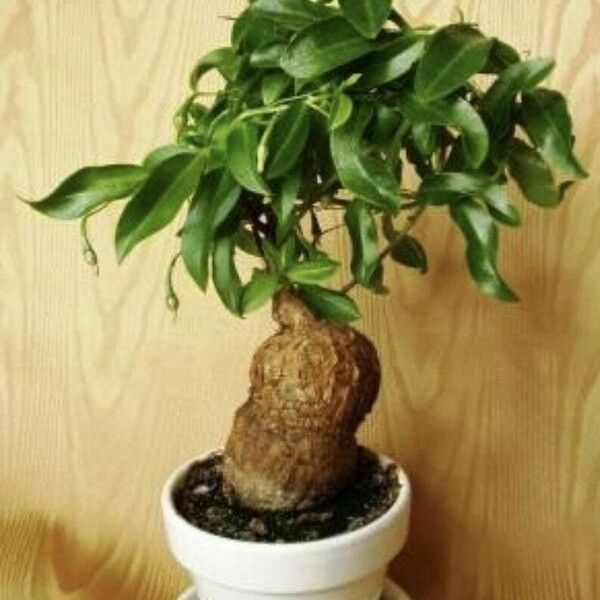
Plant Overview
Known affectionately as the Orange Flame Flower or the Porcupine Root, Talinum caffrum is a resilient succulent gem native to the sun-drenched plains of Southern Africa. While it appears as a delicate wildflower above ground, it hides a massive, woody secret beneath the soil that allows it to survive extreme droughts. It is a favorite among "caudiciform" collectors—hobbyists who love plants with thick, sculptural trunks and roots.
🔍 How to Identify
- 🌼 The Flowers: It produces bright, butter-yellow to deep orange five-petaled flowers. These blooms look like tiny glowing embers scattered among the grass.
- 🍃 The Foliage: Features narrow, fleshy green leaves that grow along semi-prostrate or trailing stems. In high-stress or high-sun environments, the stems may take on a reddish hue.
- 🥔 The Caudex: Its most distinct feature is a thick, tuberous taproot (caudex). In cultivation, gardeners often lift this root slightly above the soil line to show off its lumpy, "potato-like" aesthetic.
🏡 In Your Garden
- ☀️ The Afternoon Show: This plant is a bit of a "late sleeper." The flowers typically only open in the heat of the late afternoon and close again by dusk. If you only look at your garden in the morning, you might miss the entire show!
- 🪨 Rocky Roots: In its natural habitat, it thrives in stony grasslands and rocky crevices. Because it stores so much water in its thick root, it is incredibly drought-tolerant but will rot quickly if left in heavy, wet potting soil.
- 🍂 Seasonal Dormancy: It follows a strict "nap" schedule. During the winter or dry season, the stems may die back completely, leaving only the woody root alive underground. Don't throw it away—it’s just waiting for the rain to return!
⚠️ Safety & Toxicity
- 🐾 Pet Safety: Talinum caffrum is generally considered non-toxic to common household pets. However, the fibrous nature of the plant can still cause mild stomach upset if a curious cat or dog decides to have a large snack.
- 👶 Child Safety: It is safe to have around children, though the stems are quite brittle and can snap easily if handled roughly. It is best placed on a high shelf where its trailing stems can be admired without being tugged.
✨ Fun Fact
The common name "Porcupine Root" comes from the wild, where porcupines are known to dig up the moisture-rich tubers during periods of extreme drought to stay hydrated. In some cultures, the root was historically used as a "protective charm" for the home!

Detailed Care Instructions
To grow a Talinum caffrum plant, also known as the pink dragon, you can follow these steps:
- Choose a suitable location: Talinum caffrum thrives in full sun but can tolerate partial shade. Select a spot in your garden with well-draining soil and good sunlight exposure.
- Prepare the soil: Talinum caffrum prefers fertile, slightly acidic soil. Amend the soil with organic matter, such as compost or well-rotted manure, to improve its nutrient content and drainage.
- Sow seeds or transplant: You can either sow seeds directly into the prepared soil or start the plant indoors by transplanting seedlings. If sowing seeds directly, scatter them on the soil surface, lightly press them down, and water gently. If transplanting, plant the seedlings at the same depth they were in their original container and water thoroughly.
- Watering: Talinum caffrum requires regular watering to keep the soil consistently moist but not waterlogged. Water deeply whenever the top inch of soil feels dry. Avoid excessive watering, as it can lead to root rot.
- Mulching: Apply a layer of organic mulch around the base of the plant to help retain moisture, suppress weed growth, and regulate soil temperature.
- Fertilization: Talinum caffrum plants don't require heavy fertilization. However, you can incorporate a balanced fertilizer into the soil before planting, following the manufacturer's recommendations. If the plant shows signs of nutrient deficiency, consider using a slow-release fertilizer during the growing season.
- Pruning: Regularly pinch back the growing tips of the plant to promote bushier growth. Pruning can also help prevent legginess and promote flowering.
- Pests and diseases: Talinum caffrum is generally resistant to most pests and diseases. However, keep an eye out for common garden pests like aphids or snails. If detected, use organic pest control methods or insecticidal soap to manage the infestation.
- Propagation: Talinum caffrum can be easily propagated by collecting and sowing seeds or by dividing the plant. When dividing, gently separate the clumps and replant them in well-prepared soil.
- Flowering and reseeding: Talinum caffrum produces small, star-shaped pink flowers during the growing season. As the flowers fade, they may form seed pods that will drop seeds for natural self-seeding. If desired, you can collect and save the seeds to grow additional plants.
Remember to research the specific growing requirements of Talinum caffrum to ensure optimal care and growth.

Place in a bright room that is sun drenched almost all day. Or directly in a south-facing window.

To properly water this plant, you should allow the topsoil to dry out slightly between waterings. When you do water, make sure to thoroughly saturate the soil until water drains out of the bottom of the pot or container. Avoid getting water on the leaves and try to water directly onto the soil to prevent leaf rot or fungal growth. It is important to monitor the plant for signs of under or over watering, such as wilting or yellowing leaves. Adjust your watering schedule accordingly.
For best results, fertilize Talinum caffrum with an all-purpose fertilizer, such as 10-10-10 or 20-20-20, at half strength every two weeks during the growing season. Avoid fertilizing during the winter months when the plant goes dormant. Always water the plant thoroughly before and after fertilizing to prevent root burn.
The ideal soil type for this plant is a well-draining, moderately fertile soil with a pH level ranging from slightly acidic to neutral. It should be rich in organic matter, such as compost or well-rotted manure, to provide adequate nutrients for the plant's growth. The soil should also be able to retain moisture without becoming waterlogged, as the plant prefers regular watering but may suffer from root rot in overly wet conditions. Additionally, adding a layer of mulch to the soil surface can help regulate moisture levels and prevent weed growth around the plant.
To propagate this plant, you will need to take stem cuttings during the active growing season. Make sure the parent plant is healthy and free from any diseases or pests. Cut a healthy stem that is at least 5-6 inches long, making the cut above a node or where a leaf attaches to the stem.
Remove the lower leaves, leaving only a few at the top. Dip the cut end of the stem in rooting hormone powder to increase the chances of successful rooting. Place the cutting in a well-draining soil mixture, such as a mixture of sand and peat moss.
Water the cutting carefully, making sure the soil mixture is moist but not overly wet. You can cover the cutting with a plastic bag or container to create a mini greenhouse, but make sure to allow for airflow and ventilation.
Place the cutting in a bright spot with indirect sunlight and maintain a temperature of about 70 degrees Fahrenheit. Check the cutting regularly to ensure that the soil mixture remains moist and the plant is healthy.
After a few weeks, the cutting should have developed roots and can be transplanted into a larger container. Gradually introduce it to slightly brighter light and more direct sunlight until it is acclimated to its new environment.








