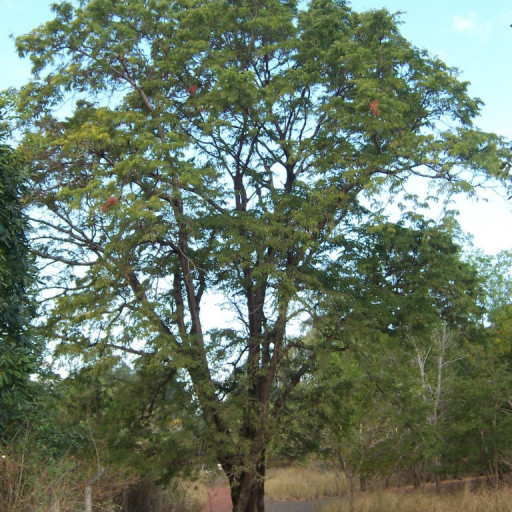
Plant Overview
Known as the "Indian Date," the Tamarind is a majestic, long-lived tropical evergreen that bridges the gap between a culinary powerhouse and a stunning ornamental shade tree. Its name stems from the Arabic Tamr Hind, a nod to the dark, date-like appearance of its tangy fruit pulp. Whether found gracing a sprawling garden or meticulously shaped as a bonsai, this tree is a symbol of endurance and tropical flavor.
🔍 How to Identify
- 🌿 The Foliage: Feathery, bright green leaves are "pinnate," meaning they look like delicate fern fronds. Interestingly, these leaves exhibit "sleep movements," folding up tightly at night.
- 🌸 The Blooms: Small, inconspicuous flowers appear in clusters. They are pale yellow with subtle, elegant red or orange streaks running through the petals.
- 🫛 The Pods: The most recognizable feature is the fruit—long, curved, brittle brown pods that rattle when shaken, containing a sticky, sour-sweet pulp and hard, shiny seeds.
🏡 In Your Garden
- 🌳 Deep Roots: The Tamarind is famous for its deep taproot, which makes it exceptionally wind-resistant and drought-tolerant. However, this means you should choose its "forever home" carefully, as it hates being transplanted once established.
- ☀️ Sun Seeker: This tree is a sun-worshipper. It requires full, direct light to produce fruit and will struggle or become "leggy" if kept in the shade or indoors without a very bright grow light.
⚠️ Safety & Toxicity
- ✅ Status: Generally safe and non-toxic.
- 🐾 Pets & Kids: The fruit pulp is edible and used globally in candies and sauces. While not toxic to pets, the high concentration of tartaric acid in the fruit can cause stomach upset if consumed in large quantities by curious dogs or cats.
- 🪵 Physical Safety: As the tree matures, its wood becomes incredibly hard and dense. Be cautious of falling pods or heavy branches during high winds.
✨ Fun Fact
The Tamarind is a secret global superstar—its tangy pulp is one of the primary ingredients that gives authentic British Worcestershire sauce its unique, savory "umami" kick!

Detailed Care Instructions
| Humidity | Normal |
| Lighting | Full Sun |
| Difficulty | Medium |
| Hibernation | Cold Period |
| Temperature | 10°C - 20°C |
| Hardiness Zones | 10 - 12 |
To grow Tamarindus Indica, also known as the tamarind tree, follow these steps:
- Climate and Location: Tamarind trees thrive in tropical and subtropical regions. They require a warm climate with temperatures between 77°F (25°C) and 95°F (35°C). Choose a location with full sun exposure.
- Soil Preparation: Prepare the soil by loosening it and removing any weeds or rocks. Tamarind trees prefer well-draining soil with a pH level between 6.0 and 7.0.
- Seed Selection: Obtain fresh tamarind seeds from a reputable source, ensuring they are not too old or damaged. Soak the seeds in water for 24 hours before planting.
- Planting: Dig a hole approximately 2 inches (5 cm) deep and place one or two seeds in each hole. Cover the seeds with soil and gently firm it around them. Space multiple holes about 3 feet (1 meter) apart.
- Watering: Tamarind trees require regular watering. Keep the soil moist but not waterlogged during the initial stages. Once established, water deeply but less frequently. Reduce irrigation during the winter months.
- Mulching: Apply a layer of organic mulch, such as wood chips or compost, around the base of the tree to help retain moisture, suppress weeds, and regulate soil temperature.
- Pruning: Prune the tree regularly to maintain its shape, control its size, and remove any dead or diseased branches. Pruning also promotes better air circulation and light penetration.
- Fertilization: Apply a balanced fertilizer annually during the growing season. Use organic fertilizers or slow-release fertilizers according to the package instructions.
- Pest and Disease Control: Monitor the tree for pests like scale insects and aphids. Address any pest or disease issues promptly by utilizing organic pest control methods or consulting a local horticulturist.
- Harvesting: Tamarinds take around 6 to 8 years to bear fruit, so patience is required. Once the pods turn brown and dry on the tree, they are ready to be harvested. Remove the pods and let them further dry in a well-ventilated area before extracting the pulp and seeds.
Remember, growing trees from seeds can be time-consuming. If you want to enjoy tamarind fruit sooner, consider purchasing a young tree from a nursery and planting it directly into your desired location.

Place in a bright room that is sun drenched almost all day. Or directly in a south-facing window.

To properly water this plant, you should ensure that the soil is moist but not waterlogged. The frequency of watering will depend on factors such as the climate, humidity levels, and the plant's age and size. You should water the plant deeply but less frequently than shallow and frequent watering, to encourage healthy root growth. It's also important to give the plant adequate drainage to prevent waterlogging, which could lead to root rot. You can check the soil's moisture level by sticking your finger in it, and watering only if it feels dry to the touch. In addition, avoid wetting the leaves and stems of the plant when watering, as this can increase the risk of fungal infections or other diseases.
To fertilize this plant, it is recommended to use a balanced fertilizer with equal ratios of nitrogen, phosphorus, and potassium. Fertilizer should be applied every three months during the growing season, which is typically from spring to fall.
Before applying the fertilizer, make sure the soil is moist. It is best to apply the fertilizer around the drip line of the tree, which is where the leaves extend out from the trunk.
Be careful not to over-fertilize as this can cause damage to the roots and leaves. Always follow the instructions on the fertilizer package and adjust the amount accordingly based on the size of the tree.
In addition to fertilizer, it is also important to provide adequate water and sunlight for the plant to thrive.
The ideal soil for Tamarindus Indica should be well-draining and rich in nutrients. It should have a pH of 5.5-7.5 and should be slightly acidic to neutral. The soil should be able to retain adequate moisture without becoming waterlogged. A mixture of soil, sand, and organic matter such as compost or aged manure is ideal for Tamarindus Indica. Additionally, the soil should not be compacted and should have good aeration to promote healthy root growth. It is recommended to regularly amend the soil with organic matter to maintain its fertility.
Tamarindus Indica is a tropical tree that can be propagated through different methods such as seed germination, stem cuttings, and grafting.
Seed Germination:
- Collect ripe fruits from the tree.
- Remove the outer shell of the fruit and take out the seeds.
- Soak the seeds in warm water for 24 hours.
- Sow the seeds in a seedling tray filled with well-draining soil.
- Keep the soil moist and place the tray in a warm and sunny location.
- Once the seedlings have grown to a suitable size, transplant them into individual pots.
Stem Cuttings:
- Select a healthy and mature branch from the tree.
- Cut a 6-inch section of the stem just below a node.
- Remove the leaves from the bottom 3 inches of the stem.
- Dip the cut end of the stem in rooting hormone powder.
- Plant the stem in a pot filled with well-draining soil.
- Keep the soil moist and place the pot in a warm and bright location.
- Once the cutting has developed roots and new growth, transplant it into a larger pot.
Grafting:
- Select a rootstock plant that is compatible with Tamarindus Indica.
- Take a scion from a healthy Tamarindus Indica tree.
- Make a diagonal cut on the base of the scion and rootstock.
- Join the cut surfaces of the scion and rootstock to form a V shape.
- Bind the two plants together with grafting tape.
- Place the newly grafted plant in a warm and moist environment.
- Once the graft has healed and new growth has appeared, transplant the plant into a larger pot.
Common pests of the tamarind include Scale insect, mealybugs, spider mites. Make a habit of checking your tamarind frequently for pests so that any infestations can be caught and managed early.








