Plant Overview
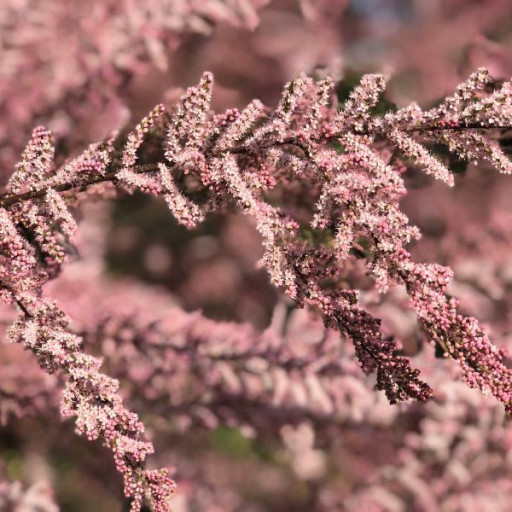
Often referred to as the "Saltcedar," the Tamarix is a striking, feathery shrub that looks like a soft pink cloud from a distance. Originating from the dry regions of Eurasia and Africa, this plant is a master of desert survival, though its aggressive water-drinking habits have earned it a controversial reputation in North America. In many cultures, its delicate appearance belies its incredible toughness against wind and salt.
🔍 How to Identify
- 🌿 The Foliage: Unlike typical broadleaf plants, its leaves are tiny, grey-green scales that overlap like the shingles on a roof, giving the branches a wispy, cedar-like appearance.
- 🌸 The Blooms: It produces long, slender plumes (racemes) of minute pink or white flowers that create a "misty" effect during the spring and summer.
- 🪵 The Bark: Young stems are smooth and often possess a distinct reddish or chocolate-brown hue, which turns craggy and dark as the plant matures.
🏡 In Your Garden
- 💧 The Salt Master: This plant is a "halophyte," meaning it actually thrives in salty soils. It absorbs salt through its roots and "sweats" it out through its leaves, which can eventually make the soil around it too salty for other plants to grow.
- 🏜️ Thirst and Roots: It is famous for its massive taproot that can dive deep into the water table. Because of this, it is nearly impossible to transplant once established, so choose your planting spot wisely!
- 🌬️ Windbreak Hero: Due to its flexible, slender branches, it is exceptionally good at catching the wind without breaking, making it a popular choice for coastal erosion control and desert windbreaks.
⚠️ Safety & Toxicity
- 🟢 General Status: Tamarix is generally considered non-toxic to humans, cats, and dogs.
- 🤧 Allergy Note: While not poisonous, the plant produces a high volume of fine pollen and salty secretions that can cause mild skin irritation or hay fever in sensitive individuals.
✨ Fun Fact
The Tamarix "cries" salt! Because it lives in saline environments, it has specialized glands that excrete excess salt onto its leaves. On dewy mornings, these salt crystals dissolve and drip off, making it look like the tree is weeping.

Detailed Care Instructions
| Lighting | Full Sun |

Place in a bright room that is sun drenched almost all day. Or directly in a south-facing window.

The plant needs to be watered regularly during the growing season. This includes watering deeply, but less frequently, rather than frequent shallow watering. It is important to make sure the soil around the plant is moist, but not waterlogged or saturated. Check the soil moisture level regularly by inserting a finger into the soil to determine if it is dry or moist. During hot and dry weather, the plant may need to be watered more frequently than other times of the year. It is recommended to water the plant early in the morning or late in the evening to reduce evaporation and prevent water stress. Additionally, it is important to make sure the plant has proper drainage to avoid waterlogging and root rot.
The optimal soil for this plant is well-draining, slightly sandy soil with a neutral pH range of around 6.5 to 7.5. It prefers soil that is not too heavy or compacted, as it requires good air circulation and room for its roots to spread. The plant is quite drought-tolerant and will not thrive in overly moist or waterlogged soil. Therefore, it is suggested to mix compost or other organic matter into the soil before planting to improve both its water-holding and nutrient-holding capacity. Regular fertilization with a balanced fertilizer is recommended for best results.







