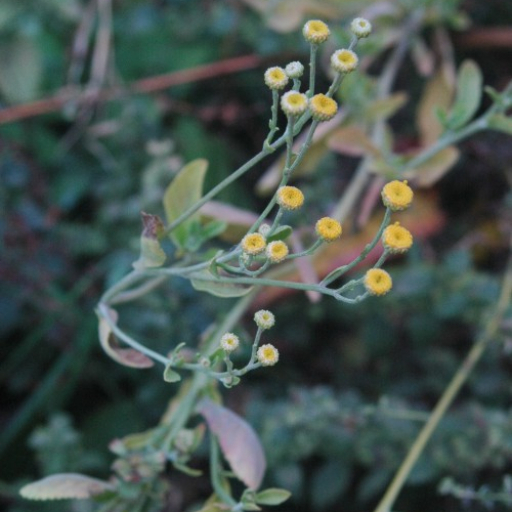
Plant Overview
Often called "Bible Leaf" or "Alecost," Tanacetum balsamita is an ancient herb that has graced monastery gardens and cottage borders for centuries. Its leaves carry a complex, nostalgic fragrance—a blend of mint, balsam, and lemon—that once made it a favorite for scenting linens and flavoring bitters. Historically, a long, fragrant leaf was often tucked into prayer books to serve as a bookmark and a refreshing scent to keep churchgoers alert during long sermons.
🔍 How to Identify
- 🍃 Leaf Shape: The leaves are long, oval, and grayish-green with finely serrated (saw-toothed) edges and a velvety texture.
- 🌼 Button Blooms: It produces small, inconspicuous yellow flower heads that look like buttons, appearing in loose clusters at the top of tall stems.
- 🌱 Growth Habit: A creeping perennial that forms dense clumps; it can look somewhat "weedy" if left to its own devices, standing about 2 to 3 feet tall.
🏡 In Your Garden
- ☀️ Sun & Soil: This plant is incredibly resilient and prefers well-drained, somewhat dry soil; it actually loses some of its intense fragrance if the soil is too rich or over-fertilized.
- ↔️ Space to Wander: It spreads via underground rhizomes. While it isn't as aggressive as true mint, it’s best to give it plenty of room or plant it in a sunken container to keep its boundaries in check.
⚠️ Safety & Toxicity
- 🌿 Safe Usage: Costmary is generally safe for aromatic and topical use, and was historically used in cooking. However, it contains thujone, so it should not be consumed in large medicinal quantities.
- 🤰 Precautions: Pregnant and breastfeeding women should avoid consuming Costmary. It is generally non-toxic to touch, though those with sensitive skin might experience mild irritation from the oils.
- 🐾 Pet Safety: While not listed as highly toxic, it can cause digestive upset in cats and dogs if chewed on excessively.
✨ Fun Fact
Before hops became the universal standard for beer making, this plant was the primary bittering and preservative agent used in brewing, which is how it earned the nickname "Alecost."

Detailed Care Instructions
| Lighting | Full Sun |
| Hardiness Zones | 5A - 9A |
To grow Tanacetum Balsamita, also known as costmary or Alecost, follow these steps:
- Climate and soil requirements: Tanacetum Balsamita thrives in full sun to partial shade and prefers well-drained soil. However, it is adaptable and can tolerate a wide range of soil types.
- Propagation: You can start growing Tanacetum Balsamita either from seeds or by dividing an established plant.
- From seeds: Sow the seeds indoors about 8-10 weeks before the last frost date in your area. Surface sow the seeds onto moist soil, gently press them down, and keep the soil consistently damp. Once the seedlings have grown a few inches tall and the risk of frost has passed, transplant them outdoors, spacing them about 18-24 inches apart.
- From division: If you have an established Tanacetum Balsamita plant, you can divide it in early spring or fall. Dig up the plant and carefully separate the root clumps into smaller sections. Replant the divisions in well-prepared soil.
- From seeds: Sow the seeds indoors about 8-10 weeks before the last frost date in your area. Surface sow the seeds onto moist soil, gently press them down, and keep the soil consistently damp. Once the seedlings have grown a few inches tall and the risk of frost has passed, transplant them outdoors, spacing them about 18-24 inches apart.
- Watering: Tanacetum Balsamita prefers consistently moist soil. Water the plant regularly, especially during dry spells, to keep the soil evenly moist. However, avoid overwatering to prevent waterlogging.
- Fertilization: Tanacetum Balsamita typically doesn't require heavy feeding. Incorporating compost or well-rotted organic matter into the soil during planting should provide sufficient nutrients. If necessary, you can apply a balanced fertilizer once or twice during the growing season.
- Pruning: To encourage compact growth and prevent it from becoming leggy, regularly trim back the plant after blooming or when necessary. This will help maintain a neat appearance and promote bushier growth.
- Pests and diseases: Tanacetum Balsamita is generally resistant to pests and diseases. However, keep an eye out for common garden pests like aphids, slugs, or snails. If any infestation occurs, treat them accordingly using organic pest control methods.
- Harvesting: Harvest Tanacetum Balsamita leaves as needed throughout the growing season. The leaves have a balsam-like fragrance, which is why the plant gets its common name. They can be used fresh or dried for various culinary purposes, especially in teas, salads, or as a flavoring herb.
By following these guidelines, you should be able to successfully grow Tanacetum Balsamita plant.

Place in a bright room that is sun drenched almost all day. Or directly in a south-facing window.

To water this particular plant, the best approach is to use a watering can or a hose with a spray nozzle to avoid any damage to the foliage. The soil should be moist but not waterlogged, and it's essential to avoid letting the soil dry out completely. The ideal watering schedule will depend on the plant's location, temperature, and humidity levels, but generally, it will need to be watered once or twice a week during the growing season.
Before watering the plant, it's a good idea to check the soil's moisture level by sticking your finger into the soil up to the first knuckle. If the soil feels dry at this depth, it's time to water the plant. When watering, be sure to pour the water around the base of the plant, avoiding the foliage, as wet leaves can lead to fungal infections.
In addition to watering, this plant prefers to grow in well-draining soil and to be fertilized every two to three weeks during the growing season with a balanced fertilizer. Pruning can also help promote a healthy growth pattern and keep the plant from becoming too crowded.
To fertilize this plant, you should apply a balanced, all-purpose fertilizer in the early spring before new growth begins. Use a slow-release granular fertilizer and apply according to package instructions. Avoid over-fertilizing as this can lead to excessive foliage growth and reduced flower production. Additionally, you can apply a liquid fertilizer once a month during the growing season. Dilute the fertilizer to half strength and apply directly to the soil around the plant, avoiding contact with the leaves.
Tanacetum Balsamita plant grows well in soil that is rich in organic matter and has good drainage. The pH level of the soil should be between 6.0 and 7.5 to ensure optimal growth. The plant prefers soils that are moist but not waterlogged, and it is important to avoid over-watering the plant as this can lead to root rot. It is also important to provide the plant with regular fertilization, preferably with a slow-release fertilizer, to ensure that it has all the nutrients it needs to thrive. In general, a well-draining soil mix consisting of equal parts of sand, perlite, and quality potting soil is ideal for growing Tanacetum Balsamita plant.
Propagation of this plant can be done through stem cuttings or division. For stem cuttings, it is best to take a cutting from a healthy stem that is not too woody or too soft. Cut a stem about 3-4 inches long just below a node, remove the lower leaves and dip the cut end in rooting hormone. Plant the stem in a pot filled with moist soil and keep it in a warm and bright location until new growth appears.
To propagate through division, carefully dig up the plant and separate the roots into sections, making sure each section has a healthy stem and roots. Replant the divisions in pots or in the ground and water well.
Propagation is best done in spring or fall when the plant is not actively flowering.
Common pests of the costmary include Aphids, larvae. Make a habit of checking your costmary frequently for pests so that any infestations can be caught and managed early.








