Plant Overview
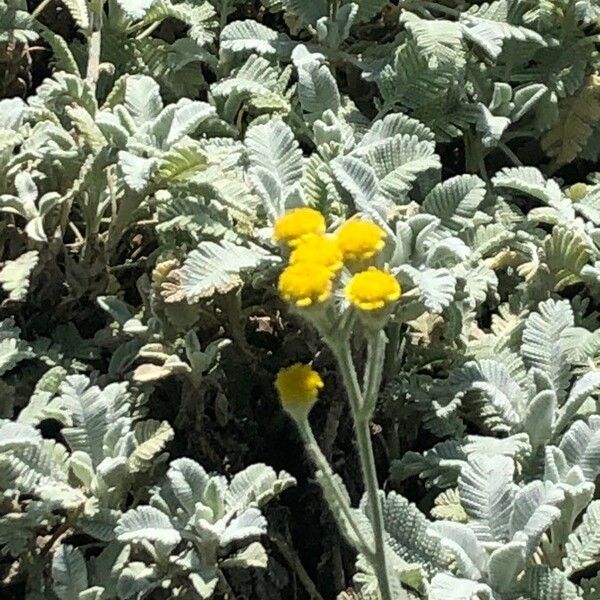
Known affectionately as "Partridgeseat" or "Turkey Tanacetum," this silver-clad beauty looks like it was plucked straight from a frosted alpine meadow. Originating from the rugged, sun-drenched mountains of Turkey, it forms soft, velvety carpets that practically beg to be touched. It is a prized choice for rock gardeners who want high-contrast foliage that thrives in the toughest conditions.
🔍 How to Identify
- 🍃 Foliage Texture: The leaves are its most striking feature—densely packed, silver-gray, and deeply divided, giving them a feathery, wool-like appearance that stays beautiful even in heat.
- 🌼 The "Buttons": In mid-summer, the plant sends up slender stems topped with bright yellow, button-shaped flower heads. Unlike daisies, these flowers lack "petals" (ray florets), looking like small gold coins tossed onto a silver rug.
- 📏 Growth Habit: It is a low-growing, mat-forming perennial. It rarely exceeds 8 inches in height but spreads horizontally to create a dense, weed-suppressing groundcover.
🏡 In Your Garden
- ☀️ Sun & Drainage: This plant is a "sun worshiper" that requires sharp drainage. While it is incredibly hardy, its biggest enemy is "wet feet"—excessive winter moisture or heavy clay soil can cause the silver mats to rot and "melt" away.
- 🏜️ Xeriscaping Star: Because of its mountain heritage, it is exceptionally drought-tolerant. It’s the perfect "set it and forget it" plant for gravel gardens, stone walls, or the edges of hot walkways where other plants might scorch.
⚠️ Safety & Toxicity
- 🐾 Pet Safety: Tanacetum densum is generally considered non-toxic to dogs, cats, and horses. It is a much safer alternative for the garden than some of its more medicinal relatives.
- 🧤 Skin Sensitivity: Like many members of the Aster (Asteraceae) family, the leaves contain natural oils that can cause mild skin irritation or "contact dermatitis" in sensitive individuals. It is wise to wear gloves if you are doing extensive pruning or dividing.
✨ Fun Fact
- 🛡️ Natural Parasol: The thick, silvery "hairs" (trichomes) covering the leaves aren't just for decoration; they act as a biological parasol. They reflect intense UV rays away from the plant and trap a thin layer of air to prevent moisture loss, allowing the plant to stay cool in the scorching Turkish sun.

Detailed Care Instructions
To grow Tanacetum Densum, also known as the Mountain Tansy or Dalmatian Daisy, you can follow these steps:
- Choose a suitable location: Tanacetum Densum prefers full sun to partial shade. Select a spot in your garden that receives at least six hours of direct sunlight per day. Make sure the soil is well-draining, as this plant does not tolerate waterlogged conditions.
- Prepare the soil: Remove any weeds or debris from the planting area. Loosen the soil by digging it up with a garden fork or spade. Incorporate organic matter like compost or well-rotted manure to enrich the soil and improve drainage.
- Planting: Dig a hole twice as wide and slightly deeper than the root ball of the Tanacetum Densum plant. Place the plant in the hole, ensuring that the top of the root ball is level with or slightly above the soil surface. Backfill the hole with soil, gently firming it around the plant. Water thoroughly after planting.
- Watering: Tanacetum Densum prefers evenly moist soil, so water regularly, especially during hot and dry periods. However, avoid overwatering as it can lead to root rot. Check the soil moisture before watering and adjust accordingly. A layer of organic mulch around the plant can help retain moisture and suppress weeds.
- Fertilization: Tanacetum Densum doesn't require excessive fertilization. In early spring, you can apply a balanced slow-release fertilizer according to the package instructions. Avoid using high nitrogen fertilizers as they can promote leafy growth at the expense of flowers.
- Pruning: After the flowering period, trim back any spent flowers or foliage to maintain a tidy appearance. Pruning can also help promote bushier growth and enhance the plant's overall health.
- Protection: If you live in an area with harsh winters, provide protection to your Tanacetum Densum during the colder months. A layer of mulch around the base of the plant can help insulate the roots from freezing temperatures.
- Propagation: Tanacetum Densum can be propagated from seeds or by division. If propagating by division, separate the plant in early spring or early fall, ensuring each division has healthy roots and foliage.
Following these guidelines should give you a good start in growing Tanacetum Densum successfully in your garden.
Tanacetum Densum is a perennial plant that requires regular watering to thrive. Here are some details on how to properly water this plant:
- Watering frequency: Tanacetum Densum needs to be watered regularly to maintain evenly moist soil. However, it is important to avoid overwatering, as it can lead to root rot and other issues. Make sure to check the soil moisture level before watering.
- Soil conditions: The plant prefers well-draining soil to prevent waterlogged roots. Before watering, ensure that the soil has adequate drainage capacity to allow excess water to flow away.
- Watering method: The most effective way to water Tanacetum Densum is by using a watering can or a hose with a gentle spray nozzle. This helps to prevent soil erosion and allows the water to be evenly distributed.
- Water quantity: When watering, aim to moisten the top 1-2 inches of soil around the plant. The amount of water required may vary depending on several factors such as climate, temperature, and size of the plant.
- Time of day: It is best to water Tanacetum Densum in the early morning or late afternoon to prevent evaporation due to high temperatures. Watering during these times also gives the plant enough time to dry off before the cooler evening hours, reducing the risk of fungal diseases.
- Mulching: Applying a layer of mulch around the plant can help retain moisture and regulate soil temperature. This reduces the frequency of watering required and provides a protective barrier against weeds.
- Monitoring: Regularly monitor the plant for signs of underwatering or overwatering. If the soil appears dry or the plant shows signs of wilting, it may need more water. Conversely, if the leaves turn yellow or the plant appears waterlogged, it may be receiving too much water.
Remember, while these instructions provide general guidelines for watering Tanacetum Densum, it is essential to consider the specific needs of the plant, such as its growing conditions, climate, and stage of growth. Adjust the watering accordingly to ensure optimal health and growth.
- Choose a well-draining soil: Tanacetum densum prefers a soil that is light and well-draining, not heavy and compacted.
- Choose the right location: Select a spot that receives full sun to partial shade for optimal growth.
- Watering: Water the plant deeply but infrequently. Allow the top inch of soil to dry out before watering again to prevent over-watering.
- Fertilizer type: Use a balanced, slow-release fertilizer with an NPK ratio of around 10-10-10.
- Fertilizing schedule: Apply fertilizer once every four to six weeks during the growing season, which is typically spring to early fall.
- Application method: Sprinkle the fertilizer evenly around the base of the plant, avoiding direct contact with the foliage.
- Amount: Follow the manufacturer's instructions for the appropriate amount based on the size and age of the plant. Do not over-fertilize, as it can cause nutrient imbalance or burn the roots.
- Water after fertilizing: Water the plant thoroughly after applying fertilizer to help incorporate it into the soil and prevent any potential burning.
- Monitor plant health: Keep an eye on the plant's overall health and appearance. If you notice any signs of nutrient deficiency or excess (such as yellowing leaves or stunted growth), adjust the fertilizer application accordingly.
- Winter care: Reduce or stop fertilizing during the winter months when the plant normally goes into dormancy. Resume fertilizing in the following spring when new growth appears.
When choosing soil for the Tanacetum Densum plant, it is important to consider its specific requirements in order to promote healthy growth. The ideal soil for this plant should have a well-draining quality to prevent waterlogging, as excessive moisture can lead to root rot. It should also possess good moisture retention capabilities to ensure the plant receives adequate water.
The soil should be slightly acidic to neutral in pH, ideally ranging from 6.0 to 7.5, as this is the optimal range for the Tanacetum Densum plant's growth and nutrient uptake. Additionally, the soil should be rich in organic matter, providing essential nutrients and improving overall soil structure.
The plant tends to thrive in soils that are fertile and loamy, allowing for good aeration as well. A loamier soil texture helps with water drainage and ensures that the plant's root system can access oxygen easily. This type of soil also provides a suitable balance between clay and sand particles, which aids in holding moisture without becoming overly compacted.
To enhance the soil's fertility and structure, organic amendments such as compost or well-rotted manure can be added. These amendments will not only enrich the soil with nutrients but also enhance its water-holding capacity.
Overall, selecting a well-draining, slightly acidic to neutral soil that is rich in organic matter and has a loamy texture will provide an optimum environment for the Tanacetum Densum plant to grow vigorously and flourish.
Propagation of Tanacetum densum can be achieved through various methods, including division, stem cuttings, and seed sowing. Each method has its own requirements and process.
- Division:
- Start by lifting the mature plant from the ground in the spring or early autumn when it is actively growing.
- Gently separate the clumps into smaller sections, ensuring that each section has a good amount of roots and shoots.
- Replant the divided sections in well-draining soil, either in pots or directly in the garden.
- Water thoroughly and provide regular care to help them establish.
- Start by lifting the mature plant from the ground in the spring or early autumn when it is actively growing.
- Stem Cuttings:
- Take stem cuttings in spring or early summer when the plant is actively growing.
- Select healthy young shoots with no flowers or buds.
- Cut about 4-6 inches (10-15 cm) of the stem just below a leaf node.
- Remove the lower leaves, leaving a few at the top.
- Dip the cut end in rooting hormone to enhance rooting.
- Plant the cutting in a well-draining rooting medium, such as a mixture of perlite and peat moss, and keep it moist.
- Place the cutting in a warm, bright location with indirect sunlight.
- Rooting may take a few weeks, and once the roots have developed, transplant the cutting into pots or the garden.
- Take stem cuttings in spring or early summer when the plant is actively growing.
- Seed Sowing:
- Collect seeds from mature plants in late summer or early autumn.
- Prepare a seed tray or small pots filled with a light, well-draining seed-starting mix.
- Sow the seeds on the surface of the soil and gently press them in, ensuring good contact.
- Mist the surface with water to settle the seeds.
- Place the tray or pots in a warm location with indirect sunlight.
- Keep the soil moist but not waterlogged.
- Germination may take a few weeks, and once the seedlings have developed a few true leaves, they can be transplanted into individual pots or the garden.
Regardless of the propagation method chosen, it is important to provide the new plants with appropriate care as they establish, including regular watering, protection from extreme temperatures, and occasional fertilization. Tanacetum densum plants typically prefer full sun and well-draining soil for optimal growth.
- Collect seeds from mature plants in late summer or early autumn.








