Plant Overview
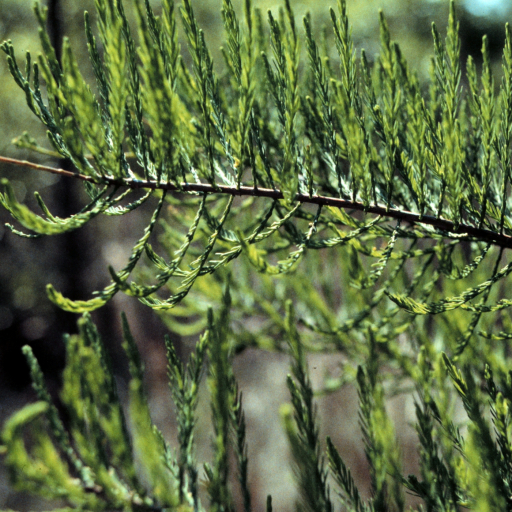
Commonly known as the Pond Cypress, this elegant tree is a "deciduous conifer," meaning it wears the needles of a pine but sheds them like a maple. While many evergreens stay green year-round, the Pond Cypress puts on a spectacular autumnal show, turning a deep rusty bronze before baring its silver-grey bark for the winter. It is often found standing like a quiet sentinel in the wetlands of the Southeastern United States, where it creates a hauntingly beautiful, prehistoric atmosphere.
🔍 How to Identify
- 🍃 Upward Foliage: The needles are small and scale-like, hugging the twigs and pointing upward (ascendens), which gives the branches a slim, cord-like appearance compared to the flat needles of its cousin, the Bald Cypress.
- 🪵 Flared Trunk: In wet environments, the base of the tree develops a "buttressed" or flared shape, looking much wider at the ground than at eye level to help it balance in soft mud.
- 🌕 Spherical Cones: It produces small, round, woody cones about an inch wide that start green and turn a leathery brown as they mature.
🏡 In Your Garden
- 💧 The "Wet Feet" Solution: This is one of the few trees that actually enjoys standing water. If you have a boggy spot in your yard or a low-lying area where water pools after rain, the Pond Cypress will thrive where others would drown.
- 🦴 Mysterious Knees: When grown in very wet soil, the roots may send up "pneumatophores," commonly called knees. While their exact purpose is debated by scientists, they add a sculptural, otherworldly look to your landscape.
- ☀️ Sun Seeker: To keep its foliage dense and vibrant, plant it in a spot that receives full sun; it can become thin and "leggy" if forced to grow in deep shade.
⚠️ Safety & Toxicity
- 🌿 Non-Toxic: The Pond Cypress is generally considered safe and non-toxic for humans, dogs, and cats.
- 🦶 Trip Hazard: While the tree itself isn't poisonous, those woody "knees" can emerge several feet away from the trunk and create a significant tripping hazard in a mowed lawn.
- 🪵 Wood Splinters: The bark and cones are quite fibrous and tough; handling fallen branches without gloves may lead to minor scratches or splinters.
✨ Fun Fact
- ⏳ Living Fossils: The Pond Cypress is a survivor from an ancient lineage of trees. Some specimens in the American South are estimated to be over 1,000 years old, having stood through centuries of hurricanes and changing climates.

Detailed Care Instructions
To grow Taxodium ascendens, also known as pond cypress, you can follow these steps:
- Climate and Soil Requirement: Taxodium ascendens plants thrive in USDA hardiness zones 5 to 10. They prefer full sun but can tolerate partial shade. They grow well in moist to wet soils, including poorly drained locations, such as pond margins or swamps.
- Planting: Obtain a Taxodium ascendens sapling or seeds from a reputable nursery or garden center. If using seeds, soak them in water for 24 hours before planting. Choose a suitable location near a body of water or in a well-drained area. Dig a hole that is twice as wide and slightly deeper than the plant's root ball. Place the sapling or seeds in the hole and backfill with soil, pressing it gently to eliminate air pockets. Water thoroughly.
- Watering: Taxodium ascendens plants require consistently moist soil. Water regularly, especially during dry spells or the first year of planting, to ensure the roots do not dry out. However, be cautious not to allow the roots to become waterlogged as this can lead to root rot.
- Mulching: Apply organic mulch, like wood chips or leaf litter, around the base of the plant. Mulch helps retain moisture, suppress weeds, and regulate soil temperature.
- Pruning: Prune Taxodium ascendens during the dormant season, typically in late winter or early spring, to remove dead or damaged branches. This promotes healthy growth and improves the overall appearance of the plant.
- Fertilizing: Taxodium ascendens generally does not require extensive fertilization. However, you can apply a slow-release balanced fertilizer in early spring to provide essential nutrients.
- Pests and Diseases: Taxodium ascendens is relatively resistant to pests and diseases. However, occasional issues with webworms or leaf spot diseases may occur. Monitor your plant regularly and take necessary actions, such as hand-picking pests or applying appropriate treatments if necessary.
- Maintenance: Regularly monitor the growth and health of your Taxodium ascendens plant. Keep it free from weeds and ensure proper water drainage. Provide adequate space for the tree to grow, as it can reach heights of 60 feet or more.
By following these steps and providing the appropriate conditions, you can successfully grow Taxodium ascendens in your garden or landscape.
The Taxodium Ascendens plant requires a consistent supply of water to thrive. When watering this plant, it is important to avoid overwatering as this can lead to root rot and ultimately kill the plant. To water the plant, first, assess the moisture level of the soil by inserting a finger into the top layer. If the soil feels dry, then it is time to water.
To water the plant, use a watering can or hose with a gentle flow of water to dampen the soil around the base of the plant. Water the plant slowly and evenly until the soil is moist but not soggy. Avoid watering the foliage of the plant as this can lead to fungal diseases.
It is recommended to water the Taxodium Ascendens plant once a week during the growing season and reduce watering during the winter months when the plant is dormant. In times of drought, it may be necessary to increase the frequency of watering.
In addition to regular watering, it is important to provide the Taxodium Ascendens plant with well-draining soil and a location with good air circulation to prevent moisture buildup and fungal diseases. Adding a layer of mulch around the base of the plant can also help retain moisture in the soil and regulate temperature.
To fertilize this plant, you should apply a balanced slow-release fertilizer in the spring. Follow the manufacturer's instructions for application rates based on the size of the plant. For best results, apply the fertilizer evenly around the root zone and water thoroughly after application. Avoid fertilizing in the fall or winter when the plant is dormant.
The ideal soil for the Taxodium Ascendens plant is a well-drained sandy loam soil that is slightly acidic, with a pH range of 5.5 to 6.5. The soil should be moist but not waterlogged, as this plant does not tolerate standing water. It is recommended to add organic matter such as compost or peat moss to the soil to improve its water-holding capacity and nutrient levels. Additionally, the plant prefers a sunny location but can tolerate light shade.
There are several ways to propagate Taxodium Ascendens plants. One method is through seed propagation. The seeds can be collected from mature cones in the fall and sown immediately or stored in a cool, dry place until spring. Before sowing, the seed coat should be scarified by rubbing the seeds with sandpaper or soaking them in hot water for a few hours to help speed up germination.
Another method is through vegetative propagation, which involves taking cuttings from mature plants and rooting them. Softwood cuttings should be taken in the spring and semi-hardwood cuttings in the summer. Cuttings should be approximately 6-8 inches long and dipped in rooting hormone before being planted in a well-drained soilless mix.
Layering is another method of vegetative propagation. This involves bending a low branch to the ground and burying part of it in soil. The branch will eventually develop roots, and the new plant can be severed from the parent plant and transplanted.
Division is another method that can be used for clump-forming plants. This involves separating the plant into smaller sections, making sure each section has several shoots and a healthy amount of roots. The newly divided sections should be planted in a well-drained soil mix and watered thoroughly.
Regardless of the propagation method chosen, it is important to provide the new plants with regular watering and appropriate fertilization until they become established.