Plant Overview
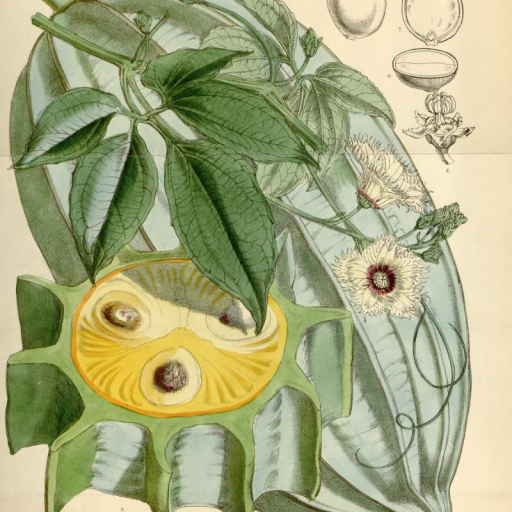
Known affectionately as "Ugu" in West Africa, the Fluted Pumpkin is the crown jewel of tropical greens. While it shares a family tree with the classic orange pumpkin, this vigorous climber is prized for its nutrient-dense, succulent leaves rather than a spooky face. It is a fast-growing vine that can transform a simple garden fence into a lush, edible tapestry in just a few weeks.
🔍 How to Identify
- 🍃 The Foliage: Look for "palmately compound" leaves, which usually consist of 3 to 5 dark green leaflets branching out from a single point like the fingers of a hand.
- 🎃 The "Fluted" Fruit: It produces massive, heavy green gourds that feature deep vertical ridges or ribs. These fruits are much larger and more elongated than a standard pumpkin, often reaching over two feet in length.
- 🧶 The Tendrils: The plant uses thick, wiry tendrils that coil like springs. These are incredibly strong, designed to support the weight of the heavy fruit as the vine climbs.
🏡 In Your Garden
- 🧗 The Need for Support: Because of its aggressive climbing habit, the Fluted Pumpkin hates being left on the ground where the fruit might rot. It requires a very sturdy trellis or a "mandala" style frame to keep its heavy gourds off the soil.
- 🍴 A Hungry Resident: This plant is a "heavy feeder." To produce the high volume of iron-rich leaves it is famous for, it needs soil packed with organic compost and a steady supply of nitrogen. It drinks a lot of water, especially during the peak of summer.
⚠️ Safety & Toxicity
- ✅ Edible & Safe: This plant is a nutritional powerhouse. The leaves are widely used in soups and smoothies to boost blood health, and the seeds can be boiled or roasted.
- 🐾 Pet Friendly: There are no known toxicities for dogs or cats. However, because the vines grow so fast and thick, they can become a bit of a "jungle" for small pets to get lost in!
✨ Fun Fact
Fluted Pumpkins are "dioecious," meaning there are distinct male and female plants. If you want to see those massive, ridged pumpkins grow, you’ll need both genders in your garden so the local bees can play matchmaker!

Detailed Care Instructions
Growing Telfairia occidentalis, commonly known as fluted pumpkin or Ugu, involves several steps to ensure healthy growth and a good yield. Here's a comprehensive guide to help you get started:
1. Climate and Soil Requirements
- Climate: Telfairia occidentalis is a tropical plant and thrives in warm, humid conditions. It prefers temperatures between 25°C and 30°C (77°F to 86°F).
- Soil: It grows best in well-drained, fertile loamy or sandy-loamy soil with a pH ranging from 6 to 7. Ensure the soil is rich in organic matter and retains moisture without waterlogging.
2. Preparing the Planting Site
- Location: Choose a sunny location that gets at least 6-8 hours of sunlight daily.
- Soil Preparation: Clear the area of weeds, debris, and stones. Loosen the soil to a depth of about 20-30 cm (8-12 inches). Incorporate compost or well-rotted manure to improve soil fertility.
3. Planting Seeds or Cuttings
- Seeds: Sow seeds directly into the soil at a depth of 2-5 cm (0.8-2 inches). Space seeds about 1 meter (3.3 feet) apart to allow ample room for growth.
- Cuttings: Telfairia occidentalis can also be propagated from vine cuttings. Select healthy vines and cut sections about 20-30 cm (8-12 inches) long. Plant the cuttings in the prepared soil, ensuring at least one node is buried to encourage root formation.
4. Watering
- Initial Watering: Water the planting site thoroughly after sowing seeds or planting cuttings.
- Regular Watering: Keep the soil evenly moist but not waterlogged. Water the plants regularly, especially during dry periods, to ensure consistent moisture levels.
5. Mulching
- Apply a layer of organic mulch (e.g., straw, grass clippings, or leaves) around the base of the plants. Mulching helps retain soil moisture, suppress weeds, and improve soil fertility as it decomposes.
6. Support
- Telfairia occidentalis is a climbing vine and will need support as it grows. Use stakes, trellises, or other support structures to help the vines climb and spread out.
7. Fertilization
- Apply a balanced organic fertilizer or compost to promote healthy growth. You can use NPK (nitrogen, phosphorus, and potassium) fertilizers, ensuring not to over-fertilize, which can harm the plants.
8. Pest and Disease Management
- Pests: Monitor for common pests like aphids, caterpillars, and beetles. Use organic pesticides or natural pest control methods to manage infestations.
- Diseases: Watch for signs of fungal or bacterial diseases. Ensure good air circulation around the plants, avoid overhead watering, and remove infected plant material.
9. Harvesting
- Leaves: You can start harvesting young leaves when the plants are well-established, typically 1-2 months after planting. Use a sharp knife or scissors to cut the leaves, allowing the plant to continue growing.
- Fruits: If you are growing Telfairia occidentalis for its fruit (gourds), leave the flowers to develop into fruits. Harvest the gourds when they are mature and fully developed.
10. Maintenance
- Regularly check your plants for growth, pest issues, and general health. Prune any dead or damaged vines and continue to support the plants as they grow.
Following these steps will help you cultivate a healthy Telfairia occidentalis plant, providing you with a nutritious and beneficial crop.
To water this particular plant, it is important to keep a consistent watering schedule. You should water the plant when the soil feels dry to the touch, but avoid over-watering as this can lead to root rot. It is best to water the plant deeply, allowing the water to penetrate the soil and reach the roots. You can use a watering can or hose to water the plant, and make sure the water doesn't get on the leaves to avoid fungal growth. Additionally, it is important to make sure the soil has good drainage to prevent waterlogging.
Telfairia occidentalis, a vigorous climbing plant, thrives with the right fertilization routine. Here’s a comprehensive guide for fertilizing:
- Soil Testing: Before beginning any fertilization regimen, test the soil to determine its nutrient content and pH level. This will help you understand what specific nutrients your soil may be lacking and enable targeted fertilization.
- Organic Matter: Incorporate a generous amount of well-composted organic matter or aged manure into the soil before planting. This will improve soil structure, water retention, and provide a steady supply of nutrients.
- Balanced Fertilizer: Use a balanced, slow-release fertilizer with an N-P-K (Nitrogen-Phosphorus-Potassium) ratio of around 10-10-10 or 14-14-14. This will provide an even supply of essential nutrients. Apply the fertilizer following the manufacturer's instructions, generally at the time of planting and then one to two times during the growing season.
- Nitrogen Supplementation: Since this plant is a heavy feeder, it might benefit from additional nitrogen, particularly during the vegetative growth phase. Consider applying a high-nitrogen fertilizer, such as blood meal or a commercial 20-10-10 mix, approximately 4-6 weeks after planting.
- Frequency: Subsequent fertilizing should be done every 4-6 weeks during the growing season. Be careful not to over-fertilize, as this can lead to excessive foliage growth at the expense of fruit production.
- Application Method: Apply the fertilizer in a band around the base of the plant, taking care not to let it come in direct contact with the stems. Gently work it into the top few inches of soil and water thoroughly after application to help dissolve the fertilizer and promote absorption.
- Foliage Feeding: Foliar feeding can also be beneficial, especially to correct any micronutrient deficiencies quickly. Use a diluted, balanced liquid fertilizer and spray onto the leaves in the morning or late afternoon to avoid burning the foliage.
- Mulching: Apply a layer of organic mulch around the base of the plants. This helps retain soil moisture, regulate temperature, and slowly release nutrients as the mulch decomposes.
- Regular Monitoring: Keep an eye on the plant’s overall health and growth. If you notice yellowing leaves or stunted growth, it may indicate a nutrient deficiency, prompting an adjustment in your fertilization routine.
By following these fertilizing instructions, you can help ensure that your Telfairia occidentalis plants grow vigorously and produce abundantly.
The ideal soil for the plant should be well-draining with good retention of moisture. It should also be rich in organic matter to ensure proper nutrition for the plant. The soil should have a pH level of around 6.0-7.5, which is slightly acidic to neutral. The use of sandy loam soil is highly recommended due to its ability to retain moisture and allow for good drainage. Additionally, the soil should be free from any pests or diseases that can harm the plant. Regular fertilization and watering are also crucial for the growth and development of the plant.
Telfairia occidentalis is a tropical vine cultivated primarily for its edible seeds and leaves. Propagation of this plant can be achieved mainly through seeds or vegetative cuttings. Here's an in-depth guide on how to propagate it:
Seed Propagation
- Seed Selection and Preparation:
- Obtain seeds from mature fruits. The seeds should be fully developed and healthy.
- Clean the seeds to remove any pulp residues. You can gently rinse them with water.
- It’s advisable to scarify the seeds lightly with sandpaper or soak them in water for about 24 hours to enhance germination.
- Obtain seeds from mature fruits. The seeds should be fully developed and healthy.
- Sowing:
- Use a well-draining, nutrient-rich soil mix.
- Sow the seeds about 2-3 cm deep in individual pots or directly in the field.
- Ensure that the planting area gets good sunlight but is not exposed to extreme conditions.
- Maintain the soil consistently moist but not waterlogged.
- Use a well-draining, nutrient-rich soil mix.
- Germination and Transplanting:
- Seeds typically germinate within 1-3 weeks if conditions are favorable.
- Once seedlings have developed a few true leaves and are sturdy enough (usually 4-6 weeks old), they can be transplanted to their final growing location with about 1-1.5 meters spacing between plants.
- Ensure the final location has a supportive structure, as the plant is a climbing vine.
Vegetative Propagation
- Seeds typically germinate within 1-3 weeks if conditions are favorable.
- Cuttings Preparation:
- Select healthy, disease-free vines that are 3-4 months old.
- Cut sections of the vine that are about 30-50 cm long. Each cutting should have at least 2-3 nodes.
- Select healthy, disease-free vines that are 3-4 months old.
- Rooting:
- Dip the cut end of the vine in a rooting hormone to stimulate faster root development (optional but recommended).
- Plant the cuttings in a well-draining soil mix, burying at least one node under the soil.
- Place the cuttings in a shaded area initially and keep the soil consistently moist.
- Dip the cut end of the vine in a rooting hormone to stimulate faster root development (optional but recommended).
- Transplanting:
- Once the cuttings have developed sufficient roots and new growth (typically after 4-6 weeks), they can be transplanted to their final location.
- Ensure the transplant site is prepared similarly to seed-grown plants, with good sunlight and a trellis or support for the vines to climb.
Optimal Conditions
Regardless of the propagation method used, maintaining optimal growing conditions is crucial:
- Once the cuttings have developed sufficient roots and new growth (typically after 4-6 weeks), they can be transplanted to their final location.
- Temperature: Telfairia occidentalis thrives in warm temperatures, typically between 20-30°C (68-86°F).
- Watering: Ensure consistent watering, keeping the soil moist but not waterlogged. Avoid water stress, which can inhibit growth.
- Soil: A well-draining, loamy soil rich in organic matter is ideal.
- Sunlight: Position the plant in a location that receives full sun to partial shade.
- Fertilization: Regular application of a balanced fertilizer can promote vigorous growth. Organic compost or manure can also be beneficial.
By following these detailed steps and providing proper care, you can successfully propagate and cultivate Telfairia occidentalis effectively.








