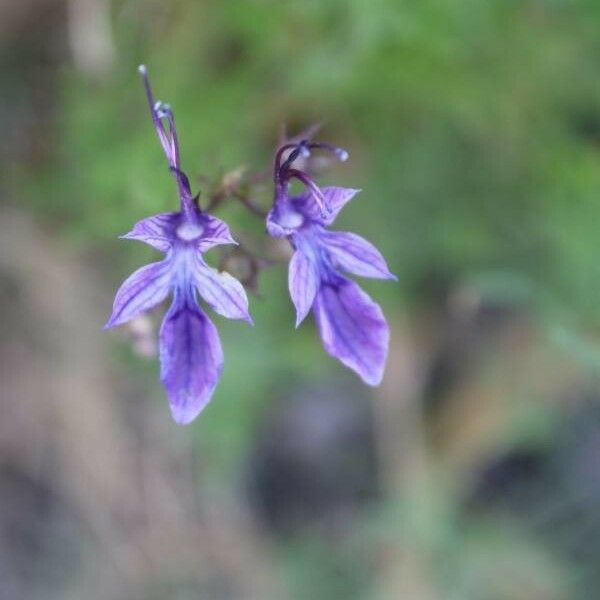
Plant Overview
Known as the Oriental Germander, this hardy perennial is like a silver-laced mist in the garden. Originating from the sun-drenched, rocky slopes of Turkey and the Caucasus, it brings a touch of wild, airy elegance to dry landscapes. It is a true survivor, often found thriving in crevices where other plants would struggle to find a foothold.
🔍 How to Identify
- 🌿 Feathery Foliage: Unlike the broad leaves of common mints, its foliage is deeply divided into narrow, thread-like segments, giving the plant a delicate, lace-like appearance.
- 🪻 Violet Spikes: It produces slender, upright flower spikes adorned with small, lipped blossoms in shades of lilac, violet, or deep sky blue.
- 🌬️ Aromatic Scent: When the leaves are brushed or bruised, they release a sharp, herbal fragrance typical of the Germander family.
🏡 In Your Garden
- ☀️ Sun Worshiper: This plant lives for the light. It is an ideal candidate for xeriscaping or rock gardens, as it has evolved to thrive under intense sun and heat.
- 🪨 The Drainage Rule: The "Oriental Germander" hates "wet feet." It requires gritty, well-draining soil; in heavy clay, its woody base can quickly succumb to root rot during the winter months.
- 🦋 Pollinator Banquet: While deer and rabbits tend to ignore its aromatic leaves, bees and butterflies are highly attracted to the nectar-rich blue flowers.
⚠️ Safety & Toxicity
- 🐾 Safe for Pets: Teucrium orientale is generally considered non-toxic to dogs, cats, and horses, making it a "worry-free" addition to family gardens.
- 🖐️ Mild Sensitivity: While not poisonous, the fine hairs on the stems and the potent essential oils can occasionally cause very mild skin irritation for people with highly sensitive skin.
- 🚫 Not for Consumption: While some Germanders were used in ancient medicine, this species is not considered a culinary herb and should not be ingested.
✨ Fun Fact
The genus name Teucrium is a tribute to King Teucer, the legendary first King of Troy. According to botanical lore, he was the first to discover the medicinal value of these plants and used them to heal his soldiers during the Trojan War.

Detailed Care Instructions
To grow Teucrium Orientale plants, follow these steps:
- Location: Choose a location in your garden that receives full sun to partial shade. The soil should be well-draining.
- Soil preparation: Prepare the soil by removing any weeds or grass from the planting area. Loosen the soil with a garden fork or tiller. Amend the soil with organic matter, such as compost or well-rotted manure, to improve drainage and provide nutrients.
- Planting: Dig a hole slightly larger than the root ball of the Teucrium Orientale plant. Place the plant in the hole, making sure the top of the root ball is level with or slightly above the soil surface. Backfill the hole with soil, firming it gently around the roots.
- Watering: Water the plant thoroughly after planting to settle the soil around the roots. Keep the soil evenly moist but not waterlogged during the initial establishment period. Once established, Teucrium Orientale plants are relatively drought-tolerant and only require occasional watering.
- Mulching: Apply a layer of mulch around the plant to help conserve moisture, suppress weeds, and regulate soil temperature. Use organic mulch, such as wood chips or shredded bark, and avoid piling it against the stems of the plant to prevent rot.
- Pruning: Prune the Teucrium Orientale plant to maintain its shape and promote bushy growth. Cut back any dead or damaged branches, and trim the plant to the desired size in early spring or after flowering.
- Fertilizing: Teucrium Orientale plants generally do not require frequent fertilization. However, you can apply a balanced, slow-release fertilizer in early spring to provide the plant with necessary nutrients.
- Pests and diseases: Teucrium Orientale plants are generally resistant to pests and diseases. However, keep an eye out for common garden pests, such as aphids or mealybugs. If detected, treat them with organic insecticides or by handpicking them off the plant.
Remember to regularly monitor the plant for any signs of stress or disease, and make adjustments to watering, sunlight exposure, or other care practices as needed.

Place in a bright room that is sun drenched almost all day. Or directly in a south-facing window.

To water this plant, it is important to keep in mind the following guidelines. First, the soil should always be moist but not waterlogged, so it is recommended to water it regularly but not excessively. Second, it is important to make sure that the water reaches the roots of the plant, so watering deeply and slowly is recommended rather than a quick and shallow watering. Third, it is a good idea to water in the morning or evening when the sun is not as strong, as this can help prevent the water from evaporating too quickly. Finally, it is important to avoid getting water on the leaves of the plant, as this can lead to disease or damage.
To fertilize this plant, use a balanced fertilizer with an NPK ratio of 10-10-10 or 16-16-16. Apply the fertilizer once per month during the growing season, which is typically from spring to fall. Follow the instructions on the fertilizer packaging regarding the amount to apply. It is important not to over-fertilize as this can damage the plant. Always water the plant after fertilizing to help the nutrients penetrate the soil.
For the Teucrium Orientale plant, it is recommended to use a well-draining soil that is not too heavy. The soil should be slightly alkaline, with a pH range between 7 and 8.5. A sandy loam with plenty of organic matter is ideal for this plant. It is important to ensure that the soil does not get too wet, as this can cause root rot. In addition, the plant prefers full sun to partial shade. Regular fertilization with a balanced fertilizer will help to support healthy growth.
To propagate this plant, take several stem cuttings from the parent plant. Choose healthy, straight stems with no flowers or buds. Cut the stems to a length of approximately 6 inches and remove the leaves from the bottom half of the stem.
Dip the cut end of each stem into rooting hormone and plant it in a pot filled with damp, well-draining soil. Cover the pot with a plastic bag to create a humid environment.
Place the pot in a warm, bright location, but out of direct sunlight. Keep the soil moist but not waterlogged.
After several weeks, the cuttings should begin to show signs of new growth. Once the roots have developed and new leaves have appeared, the cuttings can be transplanted to their final location in the garden.








