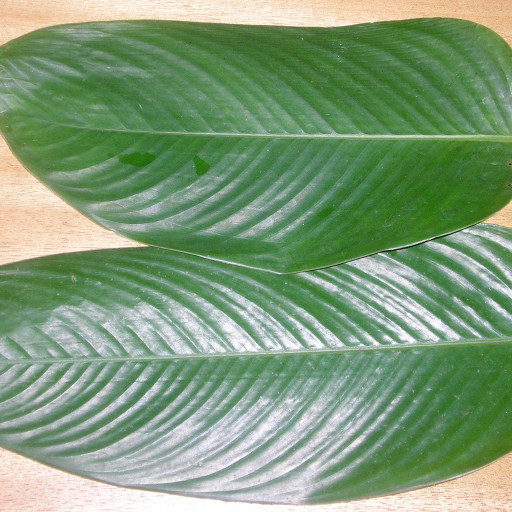
Plant Overview
Known as the Sweet Prayer Plant or Katemfe, this West African rainforest inhabitant holds a world-record-breaking secret. While it looks like a lush, oversized ornamental plant, it is famous for producing a fruit containing Thaumatin, a protein that is thousands of times sweeter than sugar. For centuries, it has been used across tropical Africa to sweeten everything from sour palm wine to local medicines.
🔍 How to Identify
- 🍃 Elephant-Ear Foliage: The leaves are impressively large, broad, and ovate, often reaching up to 18 inches in length with a papery, smooth texture.
- 🦯 Slender Petioles: Long, thin stalks emerge directly from the rhizome, holding the heavy leaves aloft like green sails.
- 🍓 Ground-Level Fruit: Unlike most plants, the small, triangular, bright red or orange fruits grow right at the base of the plant, often hiding under the leaf litter.
🏡 In Your Garden
- ☁️ Humidity is King: Because it hails from the floor of the West African rainforest, it thrives in high-humidity environments. If grown indoors, it will protest with crispy brown edges if the air is too dry.
- 🍳 The "Moin Moin" Leaf: In its native regions, the leaves are prized as durable, heat-resistant food wraps. They are used to steam bean cakes or rice, as they don't tear easily and impart a delicate, earthy aroma to the food.
- 🪴 Patience in Growth: It grows from a rhizome and can be slow to establish. It hates being moved once settled, so choose its spot carefully to avoid "transplant shock."
⚠️ Safety & Toxicity
- ✅ Generally Safe: This plant has a long history of culinary use and is considered non-toxic to humans.
- 🐾 Pet Friendly: There are no reported toxicities for cats or dogs, making it a safer choice for a tropical-themed household than many other broad-leafed plants like Alocasias.
- 👅 Sensory Shift: While the sweetness is natural, the intensity of the fruit's protein can temporarily alter your taste perception—everything you eat afterward may taste intensely sweet for up to an hour!
✨ Fun Fact
The protein extracted from this plant, Thaumatin, is roughly 2,000 to 3,000 times sweeter than table sugar. It is so potent that a single gram can sweeten several gallons of water!

Detailed Care Instructions
To grow Thaumatococcus daniellii, also known as the miracle fruit plant, follow these steps:
- Obtain seeds or seedlings: You can buy Thaumatococcus daniellii seeds or seedlings from nurseries or online seed retailers.
- Prepare a suitable growing environment: Thaumatococcus daniellii prefers a warm and humid climate. If you live in a region with a mild climate, you can grow it outdoors. However, in colder regions, it is best to grow it indoors or in a greenhouse.
- Choose a container: If you are growing it indoors, select a container that is at least 18-24 inches deep and wide. Make sure it has drainage holes to prevent waterlogging.
- Soil preparation: Use a well-draining potting mix that is rich in organic matter. Thaumatococcus daniellii prefers slightly acidic soil with a pH of 5.5 to 6.8.
- Planting: Sow the seeds or place the seedling in the prepared soil. The seeds should be planted about 1/4 inch deep. If you are using seedlings, gently remove them from the container and place them in the new pot without disturbing the roots.
- Watering: Keep the soil consistently moist but not soggy. Thaumatococcus daniellii prefers slightly moist conditions. Avoid overwatering as it can lead to root rot.
- Light requirements: Thaumatococcus daniellii thrives in partial shade to full shade. It should be shielded from direct sunlight as it can damage the leaves.
- Humidity: Thaumatococcus daniellii requires high humidity levels. You can increase humidity by placing a tray of water near the plant or using a humidifier.
- Fertilization: Regularly fertilize the plant with a balanced, water-soluble fertilizer during the growing season. Follow the instructions on the fertilizer packaging for the correct dosage.
- Pruning: Trim any dead or damaged leaves to maintain the plant's appearance and encourage healthy growth.
- Pollination: Thaumatococcus daniellii flowers are pollinated by specific small flies. While indoor plants may not produce fruit without these pollinators, it can still be grown for its ornamental foliage.
- Harvesting: Thaumatococcus daniellii produces red, berry-like fruits. Wait until the fruits are fully ripe and have turned dark in color before harvesting. The berries are usually consumed for their sweet taste, which can temporarily alter the taste buds by making sour foods taste sweet.
By following these steps, you can successfully grow Thaumatococcus daniellii at home. Remember to provide it with the right conditions of warmth, humidity, and indirect light to promote healthy growth.

Place in a window with dappled sun or a spot in the middle of a room. Or directly in a window facing west or east.

Thaumatococcus Daniellii is a tropical plant that originates from West Africa, known for its ornamental foliage and edible fruit. When it comes to watering this plant, it is important to strike a balance between keeping it sufficiently hydrated and preventing overwatering, which can lead to root rot and other problems. Here are some tips on how to water Thaumatococcus Daniellii effectively:
1. Use well-draining soil: Thaumatococcus Daniellii prefers moist but well-draining soil that allows excess water to drain away quickly. Avoid using heavy or compacted soils that trap water and retain moisture for too long.
2. Water thoroughly but infrequently: When you water Thaumatococcus Daniellii, aim to saturate the soil evenly without leaving any dry spots. However, you should avoid watering too frequently, as this can cause water to accumulate in the soil and suffocate the roots. Instead, wait until the top layer of soil feels dry to the touch before watering again.
3. Use room temperature water: Thaumatococcus Daniellii prefers water that is at or near room temperature, which is around 68-78°F (20-25°C). Water that is too hot or too cold can shock the plant's roots and cause stress.
4. Don't wet the leaves: While it is important to water the soil thoroughly, you should avoid getting water on the leaves or other parts of the plant. Wet foliage can lead to fungal infections and other diseases, especially in humid environments.
5. Adjust watering based on season: Thaumatococcus Daniellii may have different water needs depending on the time of year. During the growing season (usually spring and summer), the plant may require more frequent watering to support new growth. In the winter or dormant season, you can reduce watering to prevent excess moisture buildup.
By following these guidelines, you can help ensure that your Thaumatococcus Daniellii plant receives the right amount of water to thrive and remain healthy.
To fertilize the plant, mix a balanced water-soluble fertilizer in water according to the package instructions. Apply the fertilizer once a month during the growing season, spring to summer, and dilute the solution to half strength. Avoid over-fertilization, which can cause burn and injury to the plant. Apply the fertilizer to the soil around the base of the plant, making sure not to get any on the leaves or stem. Water the plant thoroughly after fertilizing to help distribute the nutrients throughout the soil.
When growing the plant known as Thaumatococcus Daniellii, it is important to select the appropriate soil for optimal growth. The plant prefers a soil that is well-draining and slightly acidic with a pH range of 5.5-6.5. A mix of peat moss, perlite, and sand can create a well-draining soil that is also light in texture. The soil should be rich in organic matter, containing nutrients such as nitrogen, phosphorus, and potassium. The recommended ratio for this mix is 1 part peat moss, 1 part perlite, and 1 part sand. It is important to ensure that the soil remains moist but not waterlogged, as excessive moisture can lead to root rot. Additionally, fertilization with a balanced fertilizer every two weeks during the growing season can promote healthy growth and higher yields of fruit.
To propagate this plant, you will need to collect its seeds by harvesting the fruit. The fruit needs to be allowed to ripen on the plant until it has turned brown and has split open. Inside the fruit, you will find several seeds. Choose the largest and healthiest-looking seeds to use for propagation.
Once you have your seeds, prepare a potting mix that is well-draining and fertile. You can use a mix of peat moss and perlite or vermiculite. Sow the seeds about 1/2 inch deep in the soil, cover lightly with soil, and water the soil thoroughly.
Keep the soil moist but not waterlogged and place the pot in a warm, bright area. The optimal temperature for germination is between 25-30°C. Germination can take up to 3 months, so be patient. Once the seedlings have a few sets of leaves, you can transplant them into individual pots.
The Thaumatococcus Daniellii plant prefers a bright, filtered light and a warm, humid environment. Water the plant regularly and fertilize it every two weeks during the growing season with a balanced fertilizer.
With proper care, your Thaumatococcus Daniellii plant should mature and produce fruit within 2-3 years. You can repeat the propagation process by harvesting the fruit and collecting the seeds.
Common pests of the miracle fruit include Mealybugs, spider mites, fungus gnats. Make a habit of checking your miracle fruit frequently for pests so that any infestations can be caught and managed early.








