Plant Overview
Known affectionately as Greenthread or Navajo Tea, this sun-loving wildflower is a staple of the American Southwest and the Great Plains. With its airy, delicate stems and brilliant golden blossoms, it looks like a mist of yellow floating above the garden floor. For centuries, it has been cherished by Indigenous cultures, not just for its beauty, but as a flavorful, calming herbal brew.
🔍 How to Identify
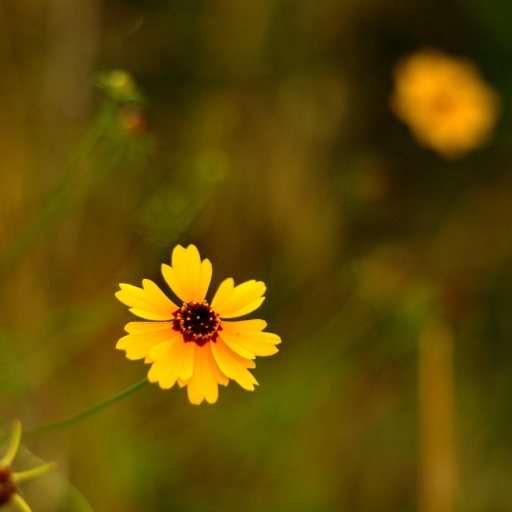
- 🌼 The Flowers: It features daisy-like yellow rays surrounding a deep reddish-brown central disk. When the petals fall away, the remaining "buttons" are equally distinctive.
- 🌿 The Foliage: True to its name (filifolium means "thread-leaf"), the leaves are incredibly thin and divided into needle-like segments, making the plant look almost skeletal from a distance.
- 📏 Growth Habit: It typically grows in slender, multi-branched clumps, reaching about 1 to 2 feet in height, giving it a light, see-through texture in a landscape.
🏡 In Your Garden
- ☀️ Sun Seekers: This plant is a "sun worshiper." It thrives in full, intense light and will become leggy or flop over if forced to grow in the shade.
- 🏜️ Tough as Nails: Because it has evolved in rocky, sandy, and limestone-heavy soils, it actually prefers "poor" soil. Over-fertilizing it will often result in more foliage but fewer of those iconic yellow flowers.
- 🦋 Pollinator Magnet: While it is drought-tolerant and low-maintenance for the gardener, it is a high-traffic station for native bees and butterflies who are drawn to its accessible nectar.
⚠️ Safety & Toxicity
- 🍵 Status: Generally considered non-toxic and is historically famous for its use in herbal teas.
- 👶 Precautions: While the plant is used for tea (Navajo Tea), it is important to ensure the plant hasn't been treated with pesticides or road chemicals before handling. As with any wild plant, keep an eye on curious pets to ensure they don't over-consume the fibrous stems, which could cause mild stomach upset.
✨ Fun Fact
The genus name Thelesperma is derived from the Greek words thele (nipple) and sperma (seed), referring to the tiny bumps found on the surface of its seeds! In addition to tea, many tribes traditionally used the flowers to create a vibrant yellow-to-orange dye for wool and baskets.

Detailed Care Instructions
To grow Thelesperma Filifolium, or greenthread plant, you can follow these steps:
- Choose a suitable location: The greenthread plant thrives in full sun to light shade and prefers well-draining soil. Select an area in your garden that receives at least 6 hours of direct sunlight each day.
- Prepare the soil: Greenthread plants prefer sandy or loamy soil. Add organic matter, such as compost or well-rotted manure, to improve soil fertility and drainage.
- Sow the seeds: Thelesperma Filifolium can be grown from seeds. Sow the seeds directly in the prepared soil after the last frost of the season. Scatter the seeds evenly over the soil surface and lightly press them into the soil, ensuring they are covered with a thin layer of soil.
- Watering: Keep the soil consistently moist but not waterlogged. Water the plants regularly, especially during dry periods, to promote healthy growth. Avoid overwatering, as it can lead to root rot.
- Weed control: Keep your greenthread plant area free from weeds, as they can compete for nutrients and water. Regularly remove any weeds that emerge around the plants.
- Fertilization: Thelesperma Filifolium plants generally do not require heavy fertilization. However, you can apply a balanced, slow-release fertilizer once or twice a year to promote robust growth.
- Mulching: Apply a layer of organic mulch, such as straw or wood chips, around the plants to conserve moisture, suppress weed growth, and improve soil quality.
- Pruning: Greenthread plants do not require regular pruning. However, if the plants become too leggy or overgrown, you can trim them back lightly to maintain shape and improve air circulation.
- Pest and disease control: Thelesperma Filifolium is generally resistant to pests and diseases. However, keep an eye out for common garden pests like aphids or caterpillars. If needed, treat with organic pest control methods.
- Propagation: Greenthread plants can also be propagated through division. After a few years of growth, carefully dig up the plant, divide the root clumps, and replant the divisions in new locations.
Remember to check the specific growing requirements for your region and adapt the care routine accordingly. Enjoy the beauty of your greenthread plants as they grow and bloom with their bright yellow flowers!

Place in a bright room that is sun drenched almost all day. Or directly in a south-facing window.

To water this particular plant, it is recommended to only water it when the top inch of soil is completely dry. When watering, be sure to water deeply and thoroughly, soaking the soil until water begins to drain out of the bottom of the pot or container. Avoid getting water on the leaves or flowers of the plant as this can cause damage or disease. It is important to note that this plant thrives in well-draining soil and does not like to sit in water, so be sure to avoid over-watering.
To fertilize this plant, apply a balanced fertilizer (such as 10-10-10) every 4-6 weeks during the growing season. Apply the fertilizer around the base of the plant and water thoroughly after application. Avoid over-fertilizing, as this can lead to excessive growth and reduced flowering. Additionally, consider using a slow-release fertilizer for a longer-lasting effect.
The ideal soil for the Thelesperma Filifolium plant should be well-draining and sandy. It should have a pH of 5.5 to 7.5 and be rich in organic matter to promote healthy growth. The plant prefers a soil that is slightly alkaline and requires good drainage to prevent waterlogging. Avoid heavy clay soils as they can lead to root rot. Adding sand or a grit to the soil mix can help to improve drainage. The soil should be free of weeds and other debris that can compete for nutrients. A slow-release fertilizer can be added to the soil mix to provide essential nutrients for the plant's growth. Finally, make sure the soil is compacted enough to support the plant, but not too tightly packed, as the roots require air circulation.
The propagation of this plant can be done through both seeds and stem cuttings. To propagate through seeds, collect mature seeds from the plant and sow them in a well-draining soil mix. Keep the soil moist but not waterlogged and make sure the seeds receive plenty of sunlight.
To propagate through stem cuttings, take a 3-4 inch cutting from healthy stem tips, avoiding any flowers or flower buds. Dip the cut end in a rooting hormone and plant it in a well-draining soil mix. Keep the soil moist but not waterlogged and place the cutting in a warm, bright area. After a few weeks, the cutting should start to develop roots. Once the roots have developed, the new plant can be transplanted into its own pot or into the garden.








