Plant Overview
Thymus sipyleus, commonly known as Sipylean Thyme, is a rugged, aromatic treasure that hails from the sun-drenched, stony slopes of Turkey and the Balkans. Named after Mount Sipylus, this resilient perennial forms a dense, herbal carpet that releases a refreshing, lemony-earthy fragrance whenever it is brushed against. In ancient times, such wild thymes were often associated with bravery and activity, believed to instill strength in those who smelled their potent oils.
🔍 How to Identify
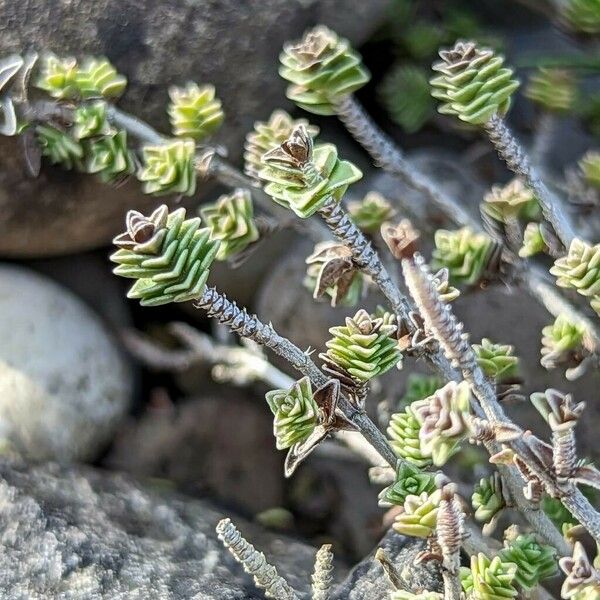
- 🌿 Folliage Texture: Small, narrow leaves that are often covered in fine, silvery hairs, giving the plant a soft, greyish-green appearance.
- 🌸 Blossom Clusters: Produces compact, rounded heads of tiny tubular flowers ranging from pale pink to deep lavender, which appear in late spring to mid-summer.
- 🌱 Growth Habit: A low-growing, prostrate sub-shrub that develops a woody base over time, spreading outward to create a thick, weed-smothering mat.
🏡 In Your Garden
- 🪨 The Alpine Specialist: Because it originates from mountainous regions, this thyme thrives in "lean" soil. It absolutely requires sharp drainage; if its roots stay wet during winter, it may suffer from root rot.
- ☀️ Sun Seeker: To maximize its aromatic oils and flower production, plant it in the sunniest spot available. It is incredibly drought-tolerant once established and is a perfect candidate for rock gardens or crevice planting.
⚠️ Safety & Toxicity
- ✅ General Safety: Thymus sipyleus is considered non-toxic to humans and is often used in traditional herbal teas in its native regions.
- 🐾 Pet Watch: While most thymes are safe for dogs and cats, the concentrated essential oils in the leaves can occasionally cause mild stomach upset if ingested in very large quantities.
- 🧤 Skin Sensitivity: Some gardeners with sensitive skin may experience mild irritation after handling the plant extensively due to its high thymol content.
✨ Fun Fact
The specific epithet sipyleus refers to Mount Sipylus in Turkey, a location famous in Greek mythology as the site where Niobe was turned to stone. It is said that the "weeping rock" of Niobe is surrounded by these very aromatic wild herbs!

Detailed Care Instructions








