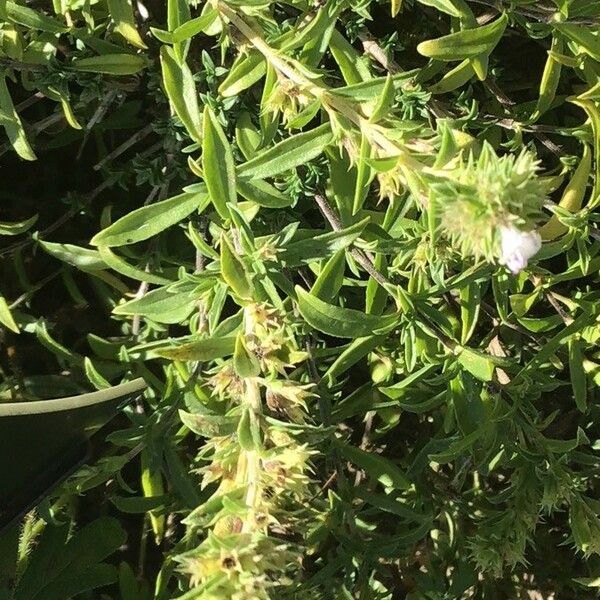
Plant Overview
Often called "Lavender Thyme," this Balkan beauty is the secret weapon of sensory gardens. Unlike its common culinary cousin, Thymus thracicus bridges the gap between the kitchen and the perfumery, offering a sophisticated scent that is both earthy and floral. It creates a lush, low carpet that looks like a miniature enchanted forest when in full bloom.
🔍 How to Identify
- 🌿 Foliage: The leaves are tiny, needle-like, and slightly hairy, often appearing a dusty grey-green. This "fuzz" is a natural defense that helps the plant retain moisture in the heat.
- 🌸 Bloom Style: In early summer, it produces dense, rounded clusters of tubular flowers in shades of soft pink to pale purple that sit just above the leaves.
- 📏 Growth Habit: It is a prostrate subshrub, meaning it grows horizontally. It forms a dense, woody-based mat that is sturdy enough to be used as a "steppable" groundcover between garden pavers.
🏡 In Your Garden
- 🪨 The Drainage Rule: Native to the rocky slopes of Southeast Europe, this thyme hates "wet feet." If your soil is heavy clay, plant it in a raised bed or mix in plenty of grit; otherwise, its roots may rot during damp winters.
- ☀️ Sun Seeker: It thrives on sunshine and a bit of neglect. The more sun it receives, the more intense its essential oils—and therefore its signature lavender-thyme fragrance—will become.
- ✂️ Pruning Nuance: To keep it from becoming too "leggy" or woody in the center, give it a light haircut after the flowers fade to encourage fresh, green growth.
⚠️ Safety & Toxicity
- 🐾 Pet Friendly: Thymus thracicus is generally considered non-toxic to dogs, cats, and horses, making it an excellent choice for a pet-safe aromatic walkway.
- 🖐️ Skin Sensitivity: While the plant is safe to touch, the concentrated essential oils can occasionally cause mild skin irritation for people with extreme sensitivities if the leaves are crushed against the skin.
✨ Fun Fact
[🐝] Bee Buffet: Despite its tiny flowers, Thracian Thyme is a high-value nectar source. In its native Thrace, honeybees that forage on these plants produce a rare, highly aromatic honey that is prized for its medicinal scent and spicy undertones.

Detailed Care Instructions
Thymus Thracicus, also known as the Thracian savory, is a hardy perennial plant that is native to the Balkan Peninsula. To successfully grow this plant, follow these steps:
- Choose the right location: Thymus Thracicus thrives in well-drained soil and prefers full sunlight. Make sure to plant it in a spot that receives at least 6-8 hours of sunlight per day.
- Prepare the soil: Thymus Thracicus prefers slightly alkaline soil with good drainage. You can amend the soil with some sand or perlite to improve drainage if needed.
- Planting: Plant the Thymus Thracicus in the spring, either from seeds or nursery-bought plants. Dig a hole that is slightly larger than the root ball of the plant and place it in the hole. Cover the roots with soil and water thoroughly.
- Watering: Thymus Thracicus is drought-tolerant once established, so be careful not to overwater. Water the plant when the soil feels dry to the touch, but allow the top layer of soil to dry out between waterings.
- Fertilizing: Thyme plants do not require much fertilizer. You can apply a balanced fertilizer in the spring to promote healthy growth.
- Pruning: Prune the plant regularly to encourage bushy growth and to prevent it from becoming woody. You can also trim off any dead or damaged branches.
- Harvesting: You can start harvesting the leaves as soon as the plant is established. Trim off the leaves as needed for culinary use, and the plant will continue to produce new growth.
By following these steps, you can successfully grow Thymus Thracicus in your garden and enjoy its aromatic leaves for culinary purposes.
Thymus Thracicus should be watered thoroughly but infrequently. Allow the soil to dry out slightly between waterings to prevent root rot. When watering, avoid getting the foliage wet to prevent fungal diseases. Water at the base of the plant, ensuring that the root zone is adequately moistened. Consider using a drip irrigation system or a watering can with a narrow spout to target the soil directly. Adjust watering frequency based on environmental conditions, such as temperature and humidity levels. Regularly check the soil moisture levels by inserting your finger into the soil to determine if it needs watering. Proper watering practices are essential for promoting healthy growth and preventing issues such as wilting or yellowing leaves.
Thymus Thracicus should be fertilized once a year in early spring. Use a balanced, slow-release fertilizer with equal parts nitrogen, phosphorus, and potassium. Apply the fertilizer evenly around the base of the plant and water thoroughly after fertilizing. Avoid over-fertilizing, as this can harm the plant's delicate roots.
Thymus Thracicus plants thrive best in well-draining soil that is sandy or loamy in texture. A pH level of around 6.5 to 7.5 is ideal for these plants. It is important to avoid heavy or compacted soils, as they can lead to poor drainage and root rot. Adding organic matter such as compost or peat moss can improve soil structure and provide essential nutrients for healthy growth. Additionally, incorporating perlite or sand can further enhance drainage and prevent waterlogging. Overall, a well-draining, slightly acidic soil mix rich in organic matter is recommended for Thymus Thracicus plants to thrive.
Thymus Thracicus can be propagated through various methods including division, stem cuttings, and seed propagation.
To propagate Thymus Thracicus through division, carefully dig up an established plant and separate the root ball into several smaller sections. Each section should have a good amount of roots and foliage. Replant these divisions in well-draining soil and keep them moist until they establish themselves.
Stem cuttings can also be taken from a healthy Thymus Thracicus plant. Cut a 4-6 inch section of a healthy stem and remove the lower leaves. Dip the cut end in rooting hormone and plant it in a well-draining soil mix. Keep the soil consistently moist and the cutting should root and establish itself.
Thymus Thracicus can also be propagated from seeds. Collect mature seeds from the plant and sow them in a seed starting mix. Keep the soil consistently moist and the seeds should germinate within a few weeks. Once they have grown large enough, they can be transplanted into individual pots or directly into the garden.
Regardless of the propagation method chosen, it is important to provide the new plants with the proper growing conditions including well-draining soil, adequate sunlight, and regular watering to ensure their successful establishment.








