Plant Overview
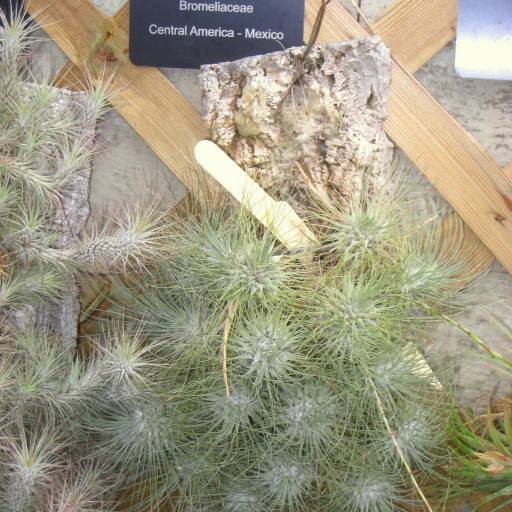
Known to many as the "Living Sea Urchin" of the air plant world, Tillandsia fuchsii is a delicate, symmetrical wonder native to the dry forests of Mexico and Guatemala. Unlike most houseplants, this botanical acrobat lives entirely without soil, clinging to tree branches and rocky cliffs with wiry roots used only for anchoring. It is a favorite for minimalist home decor due to its soft, silver-green "puffball" appearance and its ability to thrive in mid-air.
🔍 How to Identify
- 🟢 The Rosette: It forms a dense, perfectly spherical cluster of leaves that looks like a miniature explosion of silver grass.
- 🌿 The Foliage: Its leaves are exceptionally thin, almost needle-like (filiform), and soft to the touch, tapering to fine points.
- 🌫️ Silver Sheen: The entire plant is covered in a dense layer of "trichomes"—tiny, hair-like scales that give it a frosted, velvety look and help it drink water from the atmosphere.
- 🌸 The Bloom: When it matures, it sends up a surprisingly long, slender reddish stalk (an inflorescence) that produces small, tubular purple blossoms.
🏡 In Your Garden
- 💨 Airflow is King: Since this plant has no roots to drink from soil, it relies on air circulation to dry out after a "rain" (or misting). Stagnant air is its greatest enemy, as trapped moisture at the base can lead to rapid rot.
- 💧 The "Dunk" Routine: While misting is helpful in dry climates, T. fuchsii thrives with a weekly 20-minute soak in lukewarm water. Crucially, you must shake it gently upside down afterward to ensure no water remains trapped in the center of the rosette.
- ☀️ Filtered Light: In the wild, it lives under the dappled shade of tree canopies. In your home, it prefers bright, indirect light; direct afternoon sun can "toast" its thin leaves very quickly.
⚠️ Safety & Toxicity
- ✅ Non-Toxic: Tillandsia fuchsii is considered safe and non-toxic for both humans and curious pets.
- 🐾 Pet Note: While it won't poison your cat or dog, its "grassy" texture is highly tempting for cats to chew on. To save the plant from being shredded, keep it in a hanging terrarium or a high wall mount.
✨ Fun Fact
For decades, this plant was misidentified and sold under the name Tillandsia argentea. It wasn't until 1990 that botanists realized the two were distinct species, officially naming this one after the famous German bromeliad collector, Walter Fuchs.

Detailed Care Instructions
Tillandsia fuchsii, a type of air plant (Tillandsia), is known for its unique appearance and relatively easy care requirements. Here are some guidelines to help you successfully grow and care for this plant:
1. Light Requirements:
- Bright, Indirect Light: Place your Tillandsia fuchsii in a location where it receives bright, indirect sunlight. Avoid direct sunlight, as it can scorch the leaves.
2. Watering:
- Soak Method: Soak the plant in room temperature water for about 20-30 minutes once a week.
- Misting: If you live in a particularly dry environment, mist the plant a few times a week to maintain humidity.
- Drying: After watering, ensure the plant dries completely within a few hours to prevent rot.
3. Humidity:
- Moderate to high humidity: Tillandsia fuchsii thrives in a humid environment. If your home is dry, consider placing a humidifier nearby or occasionally misting the plant.
4. Temperature:
- Optimal Range: They prefer temperatures between 50°F (10°C) and 90°F (32°C). Avoid exposing the plant to temperatures below freezing.
5. Fertilization:
- Nutrition: Use a bromeliad or air plant fertilizer diluted to half strength once a month during the growing season (spring and summer). During the fall and winter, you can reduce feeding or skip it altogether.
6. Air Circulation:
- Well-ventilated area: Ensure that the plant is in an area with good air circulation to prevent mold and rot.
7. Potting/Display:
- Mounting Options: You can mount Tillandsia fuchsii on wood, in terrariums, or display them in decorative holders. Ensure they have enough exposure to light and good air circulation.
8. Pest Management:
- Check for Pests: Regularly inspect the plant for pests like mealybugs or aphids. If you spot any, gently wash them off with water or use an insecticidal soap.
9. Repotting/Division:
- Not necessary: Air plants do not require soil, and they do not need repotting like conventional plants. If your plant produces pups (offsets), you can separate them once they are a third the size of the mother plant.
By following these care tips, you can promote healthy growth and enjoy the unique beauty of your Tillandsia fuchsii.

Place in a bright room that is sun drenched almost all day. Or directly in a south-facing window.
Tillandsia Fuchsii is a plant that belongs to the family Bromeliaceae and is a member of the Tillandsia genus. It is an air plant that doesn't require soil to grow and can be found growing naturally in the tropical regions of Central and South America.
When watering Tillandsia Fuchsii, it's important to use only distilled or filtered water, as tap water contains minerals and other chemicals that can harm the plant. To water the plant, mist it thoroughly using a spray bottle or soak it in a bowl of water for about 30 minutes. After soaking, gently shake off any excess water and allow the plant to dry completely before returning it to its growing location.
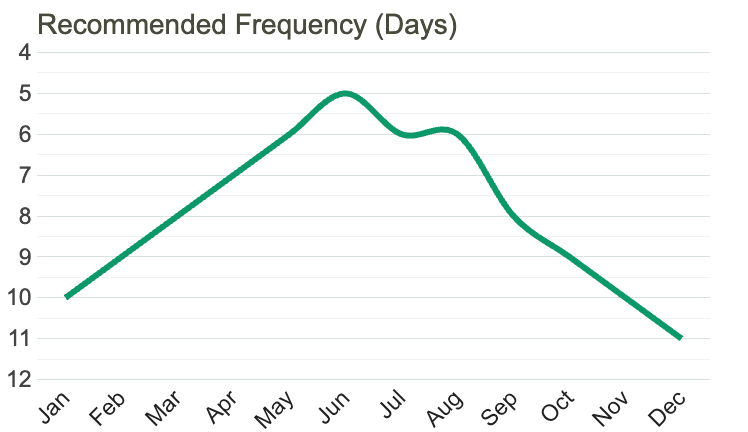
The frequency of watering the Tillandsia Fuchsii plant may vary depending on the temperature, humidity, and air circulation in the growing environment. It's recommended to water the plant once a week during the warmer months, and every two to three weeks during the cooler months when the plant is not actively growing.
It's important to avoid getting water trapped in the center of the plant, as this can lead to rotting. To prevent this, it's recommended to tilt the plant upside down after watering to ensure all excess water is removed.
Fertilizing instructions for Tillandsia Fuchsii:
- Fertilizer Type: Use a balanced, water-soluble fertilizer specifically formulated for epiphytic bromeliads or air plants. Look for a fertilizer with a balanced N-P-K ratio, such as 10-10-10 or 20-20-20.
- Dilution: Dilute the fertilizer to ½ to ¼ of the recommended strength on the packaging. Over-fertilizing can cause "burn" and damage the plant.
- Frequency: Fertilize every 4 to 6 weeks during the growing season (spring and summer). In the fall and winter months, reduce or eliminate fertilization as the plant's growth typically slows down.
- Application Method:
- For liquid fertilizers: Soak the plant in the diluted mixture for about 30 minutes, ensuring that the leaves and base are thoroughly coated. This method allows the plant to absorb nutrients through its leaves.
- For dry fertilizers: Lightly sprinkle a small amount on the leaves, avoiding any buildup on the plant's base, and mist the plant with water to help activate the fertilizer.
- For liquid fertilizers: Soak the plant in the diluted mixture for about 30 minutes, ensuring that the leaves and base are thoroughly coated. This method allows the plant to absorb nutrients through its leaves.
- Watering: After fertilization, ensure that you rinse the plant with fresh water if using liquid fertilizer to prevent any residue buildup, which can be harmful.
- Monitoring: Keep an eye on the plant's health, adjusting the fertilization frequency and concentration based on its growth and appearance. Yellowing leaves can indicate over-fertilization, while slow growth or fading color may suggest a need for more nutrients.
By following these guidelines, you can effectively fertilize your Tillandsia Fuchsii to promote healthy growth and vibrant foliage.
Tillandsia Fuchsii is an epiphytic plant that belongs to the bromeliad family. As a result, it requires a unique soil mixture to thrive, which should not contain any ordinary garden soil.
The soil mix for Tillandsia Fuchsii should preferably be non-absorbent, lightweight, and well-draining. The ideal mixture should comprise of orchid bark, perlite or pumice, and peat. However, some plant enthusiasts suggest that incorporating coconut coir, sphagnum moss, or brown rice husks into the mixture can further enhance the soil's water-holding capacity.
When planting Tillandsia Fuchsii, it is essential to ensure that the roots are not buried or smothered. Consequently, it is usually best to mount them onto a porous surface like a piece of driftwood, cork bark or hang them from wires.
Overall, the most crucial aspect of choosing soil mixtures for Tillandsia Fuchsii is ensuring that it has excellent air circulation and can drain water quickly to prevent root rot.
To propagate Tillandsia fuchsii, a type of epiphytic bromeliad, follow these detailed steps:
1. Identify the Parent Plant:
- Choose a healthy, mature plant that is well-established and has produced pups, which are small offsets or offshoots.
2. When to Propagate:
- The best time for propagation is during the growing season, typically in spring or early summer.
3. Removing the Pups:
- Gently grasp the base of the pup near the parent plant.
- Twist or gently pull it away from the parent plant. Make sure that you do not damage the pup or the parent plant in the process.
- Ensure that the pup has a minimum of a few roots (if present).
4. Preparation of the Pup:
- Allow the pup to dry out for a day or two. This helps to prevent rotting when it is placed in its new environment.
- Optionally, you can dust the cut area with a fungicide to reduce the risk of infection.
5. Creating an Ideal Environment:
- Select a well-ventilated location with bright, indirect light. Too much direct sunlight can scorch the delicate leaves.
- Maintain a humidity level of about 50-70%. You might consider using a humidity dome or placing the pup in a terrarium if the environment is particularly dry.
6. Mounting or Placing the Pup:
- You can mount the pup on a piece of wood, cork, or a similar structure that encourages good air circulation.
- Alternatively, you can place it in a shallow dish or container with a substrate that retains moisture but drains well (like orchid bark or sand). However, they do best when mounted rather than in soil.
7. Watering:
- Mist the pup lightly with water every few days to maintain humidity. If the environment is very dry, consider soaking it in water for a couple of hours every week or two. Be sure to let it dry thoroughly afterward.
8. Monitoring Growth:
- After a few weeks, you should start to see new growth or roots forming in the pup.
- Continue to provide bright, indirect light and maintain appropriate humidity levels.
9. Permanent Placement:
- Once the pup has established roots and shows signs of healthy growth (usually a few months later), you can consider placing it in a more permanent setting or rearranging as desired in your collection.
By following these steps, you can successfully propagate Tillandsia fuchsii and enjoy growing new plants.
Common pests of the tillandsia fuchsii include Mealybugs. Make a habit of checking your tillandsia fuchsii frequently for pests so that any infestations can be caught and managed early.








