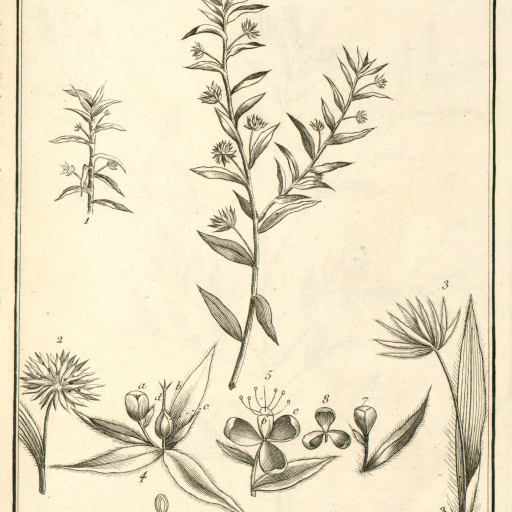
Plant Overview
Known as the "Lotus Plant" of the aquascaping world, Tonina fluviatilis is a mesmerizing aquatic species native to the slow-moving, acidic blackwater rivers of Central and South America. It is often considered a "trophy plant" for hobbyists due to its striking geometric symmetry and its reputation for being a bit of a diva. With its spiral leaf arrangement, it brings a unique, architectural texture to high-tech underwater gardens.
🔍 How to Identify
- 🌿 Spiraling Foliage: The leaves are small, narrow, and arranged in a tight, recursive spiral around a central stem, giving it a "pinecone" or "bottle-brush" appearance.
- 🎨 Vivid Greenery: It maintains a bright, almost neon lime-green color that does not fade, even under intense lighting.
- 📏 Growth Habit: It grows strictly upright. When viewed from above, the plant looks like a perfect green star or a blooming flower.
🏡 In Your Garden (Aquarium Context)
- 🧪 The Soft Water Secret: This plant is a "soft water specialist." It absolutely requires acidic conditions (low pH) and very low carbonate hardness (KH). In hard water, the plant will stop growing and eventually "melt" or dissolve.
- ☀️ High-Tech Requirements: To keep its lower leaves from turning black, it needs intense lighting and consistent CO2 injection. It is a heavy root feeder, so a nutrient-rich soil substrate is much better than plain sand or gravel.
- ✂️ Trimming Nuance: Unlike many stem plants that branch out when cut, Tonina tends to grow straight up. To propagate it, you must cut the top and replant it, as the "stump" left behind may take a long time to produce new side shoots.
⚠️ Safety & Toxicity
- 🛡️ Status: Completely safe and non-toxic.
- 🐟 Details: It poses no threat to fish, shrimp, or snails. Because of its dense, soft leaves, it is a favorite playground for ornamental shrimp, who love to pick biofilm off the intricate foliage.
✨ Fun Fact
Despite its purely aquatic look, Tonina fluviatilis is the only species in its genus. It belongs to the Pipewort family (Eriocaulaceae), making it a close relative to the rare and sought-after "Star Plants" often seen in high-end Japanese-style aquariums.

Detailed Care Instructions
To grow Tonina fluviatilis, follow these steps:
- Lighting: Provide the plant with high-intensity lighting in the aquarium. Fluorescent lights or LED lights specifically designed for aquatic plants are recommended.
- Temperature: Maintain a temperature between 70-80 °F (21-27 °C). This plant prefers warm water conditions.
- Substrate: Use nutrient-rich substrate in the aquarium. A mixture of aquarium soil and gravel or sand can be used. This plant can also benefit from root tabs or fertilizers specifically formulated for aquatic plants.
- Water Quality: Maintain good water quality with weekly water changes of at least 20-30%. Use a high-quality liquid fertilizer or CO2 injection system to provide necessary nutrients for growth.
- CO2: Tonina fluviatilis benefits from the addition of CO2. A CO2 injection system can be used to provide this essential gas for optimum growth.
- Pruning: Regularly trim the plant to encourage compact growth and prevent it from becoming too tall or leggy. Use sharp scissors or pruning shears to trim the plant as needed.
- Placement: Tonina fluviatilis thrives best in the midground or foreground of the aquarium. It is a delicate plant, so ensure it is not overshadowed by larger plants.
- Propagation: Propagate Tonina fluviatilis by carefully dividing the plant into smaller sections. Each section should have a good amount of roots for successful growth. Plant the divisions back into the substrate.
- Patience: Tonina fluviatilis can be challenging to grow and may require some patience, especially for beginners. Provide consistent care, monitor water parameters, and make adjustments as needed.
Note: Tonina fluviatilis is considered a demanding plant and may not be suitable for beginners. It requires proper lighting, carbon dioxide supplementation, and nutrient-rich substrate to thrive.
The best way to water this particular plant is to provide a consistent moisture level to the root zone. This can be achieved by using a watering can or hose to carefully wet the soil around the plant, without getting the leaves or stems wet. It's important to avoid letting the soil become too dry or too soggy, as this can harm the plant. A good rule of thumb is to water when the top inch or so of soil feels dry to the touch. During hot and dry weather, the plant may need more frequent watering. Alternatively, this species can be grown submerged in an aquarium or other aquatic environment, in which case the water level should be kept constant and changed regularly to maintain water quality.
To fertilize this aquatic plant, use a liquid aquarium fertilizer that contains essential nutrients such as nitrogen, phosphorus, and potassium. Dilute the fertilizer according to the manufacturer's instructions and apply it directly to the water column where the plant is located. Avoid overdosing the fertilizer as it can lead to algae growth and harm the plant. Additionally, carry out regular water changes and ensure that the parameters of the aquarium water are within acceptable levels for the plant's growth and health.
The ideal soil for the plant in question should be a well-aerated substrate that is rich in nutrients, but not too heavy or compacted. It should have a balanced pH and good drainage to prevent waterlogging, which can cause root rot. Organic matter like peat moss or coconut coir can be added to increase nutrient retention and improve moisture levels. It is important to avoid using soil that contains fertilizers or chemicals that could harm the plant. Instead, a high-quality aquarium soil or specialty plant substrate designed for aquatic plants can be used. The soil should be gently pressed down around the plant's roots to firmly anchor it in place and prevent it from floating or becoming uprooted.
To propagate the plant, first, obtain healthy cuttings from the parent plant. Cuttings should have at least a few leaves and a portion of the stem. Make a clean cut at a 45-degree angle using sharp, sterilized pruning shears.
Next, remove the lower leaves from the cutting, leaving only a few leaves on the top of the stem. This will help the plant to focus its energy on producing roots rather than supporting leaves.
Place the cuttings in a small container with aquatic plant substrate or gravel and add water, making sure that the water is covering the stem but not submerging the leaves. Place the container in a location with moderate lighting and a temperature of around 72-78°F.
It's important to change the water frequently, ideally every two days, and add a small amount of liquid fertilizer to the water to promote root growth. After about three to four weeks, the cuttings should start developing roots.
Once the roots have reached a sufficient length, gradually acclimate the new plants to their final growing environment. This can be done by gradually increasing the amount of time the plants are exposed to their permanent location (such as an aquarium) over a period of several days.
With the right conditions and care, the new plants will grow into healthy individuals, creating a beautiful and diverse aquatic landscape.








