Plant Overview
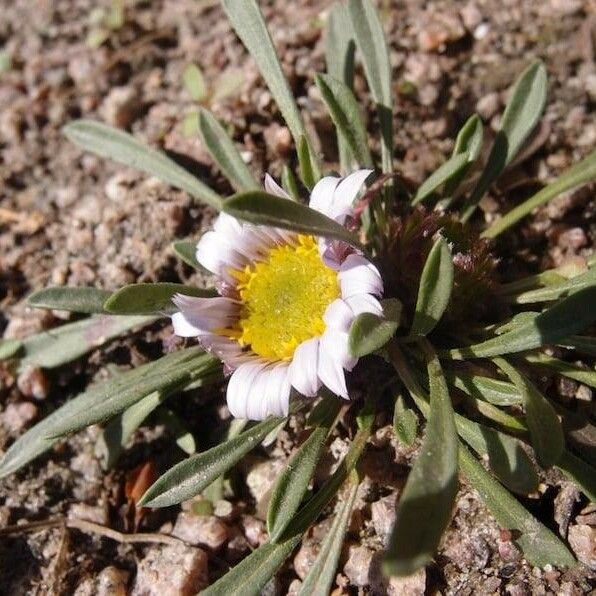
Often called Rothrock's Townsend Daisy, this tiny alpine titan is a true mountaineer of the plant world. Native to the high-altitude ridges of the Colorado Rockies, it creates stunning "cushions" of color in environments where most plants would perish. It is a favorite among rock garden enthusiasts who appreciate its ability to look like a tiny, perfect bouquet tucked directly into a stone crevice.
🔍 How to Identify
- 🌸 The Bloom: Large, daisy-like flower heads that seem oversized compared to the plant. They feature delicate lilac, lavender, or light blue "petals" surrounding a bright, sunny yellow center.
- 🍃 The Foliage: Thick, spatula-shaped green leaves that form a tight, ground-hugging rosette. The leaves are often slightly fleshy to help the plant retain moisture in dry mountain air.
- 📏 Growth Habit: A classic "cushion" plant. It stays very low to the ground (rarely exceeding 1-2 inches in height) to stay out of the way of freezing alpine winds.
🏡 In Your Garden
- 🏔️ Drainage is King: Because this plant evolved on rocky limestone ridges, it absolutely hates "wet feet." If you plant it in heavy clay or overwater it, the crown will rot quickly. It is best suited for trough gardens or scree beds.
- ☀️ Sun Worshipper: To keep its compact, jewel-like shape, it needs full sun. In lower elevations, it appreciates a spot that stays cool but remains very bright. It is exceptionally cold-hardy but sensitive to high humidity.
⚠️ Safety & Toxicity
- ✅ Safe Status: Townsendia rothrockii is generally considered non-toxic to humans, cats, and dogs.
- 🧤 Delicate Nature: While not poisonous, the plant is physically fragile. Its specialized root system makes it very difficult to transplant once established, so it's best to leave it undisturbed once it finds a home.
✨ Fun Fact
Rothrock's Townsend Daisy is endemic to the state of Colorado, meaning it grows naturally nowhere else on Earth. It is a true "local celebrity" of the high peaks, often found at elevations above 10,000 feet!

Detailed Care Instructions








