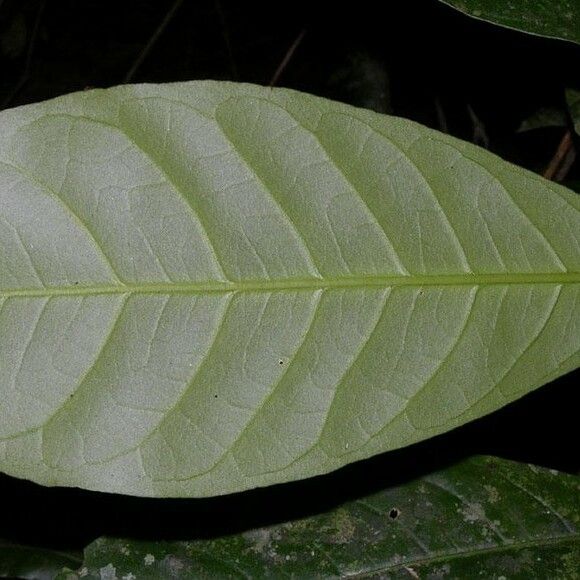
Plant Overview
Known as a botanical rarity, Toxosiphon lindenii is often mistaken for a palm tree by the untrained eye due to its elegant, feathery crown. Native to the lush tropical forests of Mexico and Central America, it brings a prehistoric, architectural vibe to any specialized collection. It is a member of the Rutaceae family, making it a distant, exotic cousin to your backyard lemon and lime trees.
🔍 How to Identify
- 🌿 The Foliage: It features long, pinnate (feather-shaped) leaves that radiate from the center, creating a dramatic "fountain" effect that mimics a tropical palm.
- 🌸 The Bloom: When it reaches maturity, it produces a spectacular, towering terminal spike of tiny white or cream flowers that rise high above the foliage crown.
- 🪵 The Trunk: A slender, upright woody stem that typically remains unbranched for much of its early life, showing off distinct scars where old leaves have dropped.
🏡 In Your Garden
- 💧 Drainage is Vital: This plant is extremely sensitive to "wet feet." It thrives in gritty, highly aerated soil that mimics the well-draining forest floors of its native habitat.
- ☀️ Light Nuance: While it craves bright light to fuel its growth, young specimens prefer filtered or "dappled" sunlight. Direct, mid-day scorching sun can bleach the delicate leaflets.
- 🌱 Patience Required: It is a slow-growing species. Because it focuses so much energy on its singular crown, it hates being moved; transplanting should be done with extreme care to avoid disturbing the sensitive root system.
⚠️ Safety & Toxicity
- 🐾 General Status: While not classified as a deadly plant, it belongs to the Citrus family (Rutaceae), which often contains essential oils that can cause stomach upset if leaves are chewed by pets or children.
- 🧴 Skin Sensitivity: The sap may cause mild contact dermatitis or photosensitivity in some individuals. It is always a good idea to wear gloves when pruning or handling a damaged stem.
✨ Fun Fact
Toxosiphon lindenii is a master of "palm-mimicry." This is a classic example of convergent evolution, where a completely different family of plants evolves to look like a palm to efficiently capture sunlight in the crowded, competitive tropical understory.

Detailed Care Instructions








