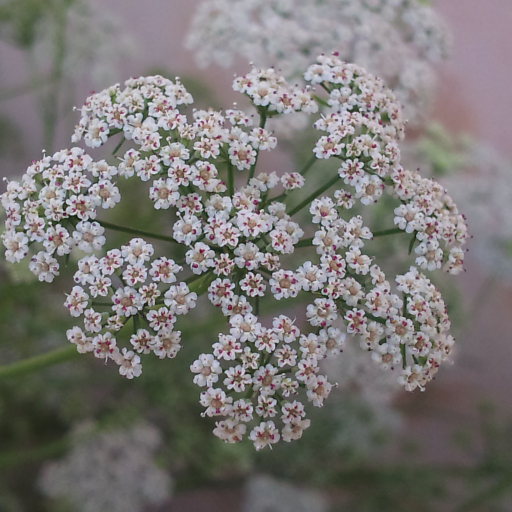
Plant Overview
Known widely as Ajwain or Bishop’s Weed, this aromatic herb is a powerhouse in the culinary and medicinal traditions of India and the Middle East. Often mistaken for caraway or cumin at a glance, it carries a punchy, thyme-like scent that can fill a whole garden corner when the breeze hits it. While it may look like a delicate wildflower, it is a hardy survivor that thrives in the heat where other herbs might wilt.
🔍 How to Identify
- 🌿 Foliage: The leaves are finely divided and feathery, bearing a striking resemblance to the soft, thin needles of a dill or parsley plant.
- 🌸 Bloom Style: It produces tiny, dainty white flowers that grow in flat-topped, umbrella-like clusters known as "umbels," a signature of the carrot family.
- 🫘 Seed Character: The harvested seeds are small, oval, and grayish-brown with distinct vertical ridges. When crushed, they release an immediate, sharp aroma of thymol.
🏡 In Your Garden
- ☀️ Sun Seeker: This plant is a true sun-worshipper. It requires a bright, warm spot to develop the potent essential oils that give the plant its characteristic spice and fragrance.
- 💧 Drainage is Key: Ajwain hates "wet feet." It has a sensitive root system that can rot quickly in heavy clay, so it is best grown in sandy or loamy soil that allows water to move through rapidly.
- 🦋 Pollinator Magnet: The delicate white umbels are irresistible to beneficial insects, especially hoverflies and tiny predatory wasps, making it an excellent "nanny plant" for organic vegetable patches.
⚠️ Safety & Toxicity
- ✅ Safe for Humans: The seeds are a staple culinary spice. However, the foliage is primarily ornamental or medicinal; the seeds are the part most commonly consumed.
- 🐾 Pet Caution: While generally non-toxic in small amounts, the high concentration of thymol can cause digestive upset in cats or dogs if they decide to graze on the leaves.
- 🧤 Skin Sensitivity: Like many plants in the Apiaceae family, some individuals may experience mild skin irritation when handling the sap in direct sunlight.
✨ Fun Fact
🧪 Chemical Twins: Even though Ajwain is not closely related to the Thyme plant, it contains high levels of thymol. This is a rare case of "convergent evolution" where two different plants developed the exact same chemical defense, which is why Ajwain smells like a super-charged version of Thyme!

Detailed Care Instructions
To grow Trachyspermum Ammi, also known as ajwain or carom plant, follow these steps:
- Choose the right location: The plant requires full sun to partial shade. Select a spot in your garden that receives at least 6-8 hours of direct sunlight per day.
- Prepare the soil: Ajwain prefers well-draining soil with a pH level between 6.5 and 8.0. Amend the soil with organic matter, such as compost or aged manure, to improve its fertility and drainage.
- Start from seeds: Purchase ajwain seeds from a reputable source. Sow the seeds directly in the garden during the spring season when the soil temperature has warmed up. Sow the seeds 1/4 inch deep and approximately 2-3 inches apart to provide enough space for growth.
- Watering: Keep the soil consistently moist but not soaking wet. Water the plant regularly, especially during dry periods. However, avoid overwatering, as it can cause root rot.
- Mulching: Apply a layer of organic mulch, such as straw or wood chips, around the base of the plant. Mulching helps retain moisture in the soil, prevents weed growth, and regulates soil temperature.
- Fertilizing: Ajwain plants are not heavy feeders and can thrive in moderately fertile soil. However, you can apply a balanced organic fertilizer once or twice during the growing season to promote healthy growth.
- Pruning: Regularly removing any dead, damaged, or overcrowded stems will help promote airflow and prevent disease. Pruning can also shape the plant and encourage bushier growth.
- Pests and diseases: Ajwain plants are generally resistant to pests and diseases. However, keep an eye out for common garden pests like aphids, caterpillars, or mites. If any infestation occurs, treat it with organic insecticides or neem oil.
- Harvesting: Ajwain leaves and seeds can be harvested once the plant reaches maturity, usually after three to four months. Cut the leaves and stems as needed, or wait for the seeds to fully mature and turn brown. Harvest them by cutting the seed heads and drying them in a warm, well-ventilated area.
By following these steps, you can successfully grow and enjoy your own Trachyspermum Ammi plant.

Place in a bright room that is sun drenched almost all day. Or directly in a south-facing window.

When watering this plant, it is important to first make sure that the soil is dry to the touch before watering. Overwatering can lead to root rot and other issues.
When watering, slowly pour water at the base of the plant until the soil is moist, but not waterlogged. Avoid getting water on the leaves as this can cause fungal growth.
During the growing season, watering should be done once a week or when the soil feels dry. In the winter months, when the plant is dormant, watering can be reduced to once every two weeks.
It is also important to ensure that the pot has adequate drainage to allow excess water to escape. If the plant is in a pot without drainage holes, it is best to repot it into a container with proper drainage.
To fertilize this plant, use a balanced, water-soluble fertilizer every two weeks during the growing season. Dilute the fertilizer according to the package instructions and apply it to the soil around the plant, making sure not to get any on the leaves or stem. During the dormant season, fertilize sparingly or not at all.
The ideal soil for Trachyspermum Ammi plant is a well-draining, fertile soil that is rich in organic matter. It should have a pH between 6.5 and 7.5, which is slightly acidic to neutral. The soil should be loose and not compacted, allowing for good aeration and drainage. It should also be able to retain moisture, but not be waterlogged or saturated. Adding compost or well-rotted manure to the soil before planting can help improve soil quality and provide nutrients for the plant. Additionally, Trachyspermum Ammi plant prefers full sun to partial shade, and requires regular watering to keep the soil moist, but not waterlogged.
- Gather seeds from mature Trachyspermum Ammi plants in the fall when the seedheads have turned brown and begin to split open.
- Soak the seedheads in water for a few hours to loosen the seeds.
- Remove the seeds from the seedheads and spread them out in a single layer to dry.
- Once the seeds are dry, store them in an airtight container in a cool, dark place until you're ready to plant them.
- In the late spring or early summer, prepare a seedbed in a sunny area with well-draining soil.
- Sow the Trachyspermum Ammi seeds about ¼ inch deep and cover them with a thin layer of soil.
- Water the seeds gently and keep the soil consistently moist while the seeds germinate and grow.
- Thin the seedlings to about 6 inches apart to allow room for them to mature.
- When the plants are mature, allow them to flower and produce seedheads, which can be harvested for propagation.
- Repeat the process of propagating Trachyspermum Ammi plants by collecting and planting the seeds annually.
Common pests of the ajowan caraway include Spider mites, thrips. Make a habit of checking your ajowan caraway frequently for pests so that any infestations can be caught and managed early.








