Plant Overview
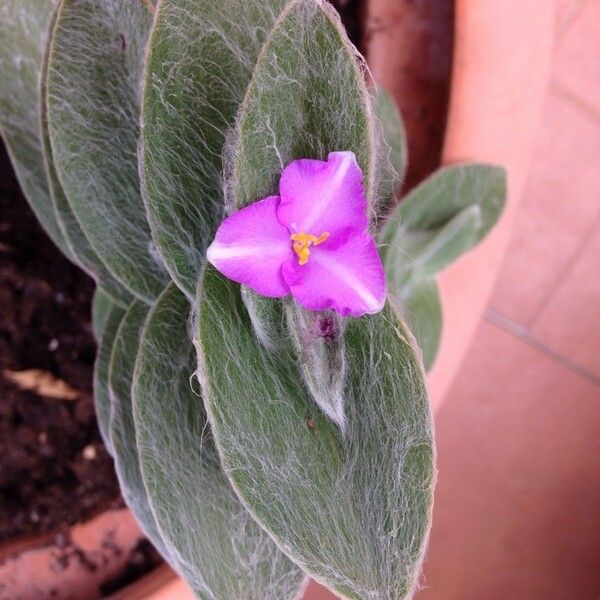
The Tradescantia crassifolia, often called the Leather-leaf Spiderwort, is the rugged, sun-loving cousin of the common trailing Inch Plant. Native to the highlands of Mexico, this perennial stands out for its thick, succulent-like foliage and velvety texture, designed to thrive where thinner-leaved plants might wither. In folklore, Spiderworts earned their name because the sap, when pulled apart, hardens into silken threads resembling a spider's web.
🔍 How to Identify
- 🍃 Fleshy Foliage: Unlike its thin-leaved relatives, the leaves are notably thick ("crassifolia" literally means "thick leaf") and oval-shaped, often hugging the stem closely.
- ☁️ Hairy Texture: The stems and leaf margins are often covered in fine, soft white hairs (cilia) that help the plant retain moisture and deflect intense sunlight.
- 🌸 Triple-Petal Blooms: It produces charming three-petaled flowers, typically in shades of rosy-pink, violet, or lavender, which emerge from boat-shaped bracts.
🏡 In Your Garden
- 🌵 Drought Specialist: Because of its succulent nature, this plant is prone to root rot if kept in soggy "potting soil." It prefers a gritty, fast-draining mix similar to what you would use for a cactus.
- ☀️ Light & Color: To keep the plant compact and prevent "leggy" growth, provide bright indirect light. If kept in too much shade, the leaves lose their signature thickness and the vibrant flower production slows down.
- ✂️ Growth Habit: It has a sprawling, decumbent habit. It works beautifully as a groundcover in rock gardens or cascading over the edges of a terracotta pot.
⚠️ Safety & Toxicity
- 🐾 Mildly Toxic: Like most members of the Tradescantia family, the sap contains calcium oxalate crystals.
- 🚫 Irritant Potential: If the stems are broken, the sap can cause "contact dermatitis" (skin redness or itching) in sensitive individuals and pets.
- 🐱 Pet Warning: Keep this plant out of reach of curious cats and dogs, as ingestion can lead to an upset stomach or drooling.
✨ Fun Fact
The Tradescantia genus was named after John Tradescant the Elder, a 17th-century gardener to King Charles I, who was so obsessed with plant hunting that he traveled to the dangerous wilderness of Russia and the Americas to find new species for the royal gardens!

Detailed Care Instructions
To grow Tradescantia crassifolia, also known as the Velvet Inch Plant or Turtle Vine, here are some steps you can follow:
- Select a suitable location: Choose a spot that receives bright, indirect sunlight. Avoid placing the plant in direct sunlight, as this can scorch the leaves.
- Choose the right soil: Use a well-draining potting mix. You can create your own mix by combining equal parts of peat moss, perlite, and sand.
- Planting: Select a pot with drainage holes and place some small stones or gravel at the bottom to improve drainage. Plant the Tradescantia crassifolia in the pot, ensuring the roots are covered adequately, but not buried too deep.
- Watering: Keep the soil evenly moist, but avoid overwatering, as it may cause root rot. Water only when the top inch of soil feels dry. It's better to underwater slightly than to overwater.
- Humidity: Tradescantia crassifolia appreciates high humidity levels. You can increase humidity by placing a tray of water near the plant or using a humidifier. Mist the leaves occasionally, but avoid misting the flowers to prevent them from rotting.
- Temperature: Maintain a temperature range between 60-80°F (15-27°C). Avoid sudden temperature fluctuations or placing the plant near drafts.
- Fertilization: During the growing season (spring and summer), apply a balanced liquid fertilizer at half the recommended strength every two to four weeks. Reduce fertilization during the fall and winter months.
- Pruning: Trim back any leggy or overgrown stems to promote bushier growth. You can also pinch off the tips to encourage branching.
- Propagation: Tradescantia crassifolia can be easily propagated through stem cuttings. Simply snip a healthy stem just below a leaf node and place it in a glass of water until it roots. Once the roots have formed, plant it in a new pot with well-draining soil.
- Pests: Keep an eye out for common houseplant pests like spider mites or aphids. Regularly inspect the leaves and stems, and if you notice any infestation, treat it with an appropriate insecticidal soap or neem oil.
With proper care and these guidelines, your Tradescantia crassifolia plant should thrive and grow beautifully.

Place in a bright room that is sun drenched almost all day. Or directly in a south-facing window.

When watering this plant, it is important to ensure that the soil is moist but not waterlogged. Allow the topsoil to dry out slightly before watering again. It is recommended to water from the bottom by placing the plant in a saucer of water for about 30 minutes, allowing the soil to absorb the water from the bottom up. Alternatively, water slowly and evenly around the plant, avoiding getting water on the leaves. It is also important to ensure good drainage by using a well-draining soil mix and a pot with a drainage hole. Avoid overwatering as this can lead to root rot.
To fertilize this plant, begin by selecting a well-balanced, water-soluble fertilizer. Dilute the fertilizer according to package instructions. Apply the fertilizer about once a month during the growing season, which is typically from spring until early fall. Avoid applying fertilizer during the winter months when the plant goes dormant. Be sure to water the plant thoroughly before and after applying fertilizer to prevent burning the roots. Additionally, consider supplementing with a slow-release fertilizer every six months to ensure continuous nutrient availability.
Tradescantia Crassifolia plant prefers a well-draining soil that should be moderately rich in organic matter to support its growth. The ideal soil should be slightly acidic, with a pH level of 5.5 to 6.5. A good mix of sand, peat moss, and perlite is suitable for this plant. The soil should retain just enough moisture to keep the plant from drying out, but not too much as it could lead to root rot. It is important to fertilize the plant regularly using a balanced fertilizer to ensure that it has enough nutrients to thrive.
To propagate this plant, choose a healthy and mature stem. Using a clean and sharp pair of scissors or pruning shears, cut the stem just below a node (the point where leaves attach to the stem). Remove any lower leaves from the stem, leaving at least two or three leaves near the top. Dip the cut end of the stem into rooting hormone powder, which can be found at a garden supply store or online. Then, plant the stem in a pot filled with well-draining potting mix. Water the soil lightly and place the pot in a warm and bright spot but not in direct sunlight. Keep the soil moist but not waterlogged and avoid letting the soil dry out. After a few weeks, check for root development by gently tugging on the stem. If you feel resistance, this indicates the stem has rooted. When the new roots are well-established, transplant the rooted stem into its permanent container, or add it to a hanging basket.








