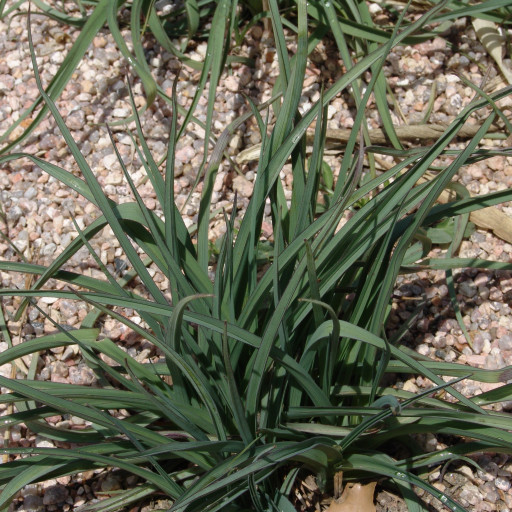
Plant Overview
Known as the Western Spiderwort or sometimes humorously called "Cow Slobber" due to its sticky sap, this hardy North American native is a gem of the Great Plains. It is famous for its "fleeting beauty"—each delicate, three-petaled flower opens at dawn and dissolves into a jelly-like liquid by the heat of the afternoon. It’s a resilient survivor that brings a splash of electric blue to sun-drenched prairies and rock gardens alike.
🔍 How to Identify
- 🌸 The Bloom: Clusters of three-petaled flowers, typically in shades of vibrant violet, sky blue, or occasionally rose-pink, accented by fuzzy, bright yellow stamens in the center.
- 🍃 The Foliage: Long, narrow, blade-like leaves that resemble thick grass. They are often folded lengthwise, creating a "channel" along the stem.
- 📏 The Growth: An upright, clumping perennial that usually reaches about 1 to 2 feet in height, often looking slightly "zinc-colored" or grayish-green due to a thin waxy coating.
🏡 In Your Garden
- ☀️ Drought Warrior: Unlike many of its moisture-loving Tradescantia cousins, the Western Spiderwort is exceptionally drought-tolerant. It thrives in sandy or rocky soils where other plants might struggle to find a foothold.
- 🐝 Bee Magnet: It is a vital source of early-season nectar for bumblebees. Watch closely, and you’ll see bees "buzz pollinating," vibrating their wings at a specific frequency to shake the pollen loose from the yellow anthers.
⚠️ Safety & Toxicity
- 🌿 Status: Generally non-toxic but can be a minor irritant.
- 🧴 Details: The clear, sticky sap (mucilage) inside the stems can cause mild skin irritation or "contact dermatitis" in humans with sensitive skin. While not considered deadly to pets, ingestion can cause an upset stomach or drooling in curious cats and dogs.
✨ Fun Fact
The flowers of the Western Spiderwort are so delicate that they don't actually drop their petals when they fade. Instead, they "self-digest" using special enzymes, turning into a blue, watery glob. This unique trait earned them the poetic nickname "Widow's Tears."

Detailed Care Instructions
To grow Tradescantia occidentalis, also known as the western spiderwort, you can follow these steps:
- Select a suitable location: Choose a spot that receives bright, indirect sunlight. These plants can also tolerate partial shade. They prefer a temperature range between 60-80°F (15-27°C).
- Prepare the soil: Spiderwort plants prefer well-draining soil. You can mix equal parts of potting soil, perlite, and peat moss to create a suitable mixture. Alternatively, you can also use garden soil mixed with compost.
- Planting: Dig a hole in the prepared soil and place the tradescantia occidentalis plant in it. The depth of the hole should be such that the plant's crown is level with the soil surface. Gently pat the soil around the plant to remove any air pockets.
- Watering: Water the plant thoroughly after planting, ensuring the water reaches the roots. Spiderwort plants prefer moist soil but not overly saturated. Maintain a regular watering schedule, allowing the soil to partially dry between waterings.
- Fertilization: Feed the plant with a balanced, water-soluble fertilizer once a month during the growing season (spring to fall). Follow the instructions on the fertilizer package for the appropriate dilution ratio.
- Pruning: Trim or pinch back leggy stems to promote bushier growth. This can be done throughout the growing season as needed. Pruning also helps to maintain the plant's shape and prevent it from becoming too crowded.
- Propagation: Tradescantia occidentalis can be propagated through stem cuttings. Take a cutting that has at least two leaf nodes, remove the lower leaves, and place the cutting in water or directly in moist soil. Keep the soil consistently moist until the cutting establishes roots.
- Pests and diseases: Spiderwort plants are generally quite resistant to pests and diseases. However, they can occasionally be affected by spider mites or aphids. Regularly inspect the plant for any signs of infestation and treat as needed with an appropriate insecticide.
By following these guidelines, you can successfully grow and care for your Tradescantia occidentalis plant.

Place in a bright room that is sun drenched almost all day. Or directly in a south-facing window.

To water this plant, first ensure that the soil is dry to the touch before giving it water. When watering, pour the water slowly and evenly onto the soil around the base of the plant. Avoid getting water on the leaves as this can cause damage or lead to fungal problems. It is important not to overwater this plant, as it prefers well-draining soil and can be susceptible to root rot. Allow the soil to dry out slightly between waterings, and adjust the frequency of watering based on the plant's needs and environmental conditions.
To fertilize this particular type of plant, use a balanced liquid fertilizer or a slow-release granular fertilizer every 4-6 weeks during the growing season (typically from spring to fall). When applying the fertilizer, make sure to follow the manufacturer's instructions for dosage and application. Avoid fertilizing during the dormant period in winter. Additionally, you can supplement the soil with organic matter, such as compost or aged manure, once or twice a year to improve nutrient levels.
For optimal growth and health of this plant, it is recommended to use well-draining soil that is rich in organic matter. A mix of peat moss, perlite, and vermiculite is ideal. The soil should be slightly acidic with a pH between 6.0 and 7.0. Adding compost or other organic fertilizers can also improve soil quality. Avoid using soil that is heavy or water-retaining as it can lead to root rot.
To propagate this plant, you will need a pair of sharp, clean scissors or pruning shears, a sterile potting mix, a small pot, and some water.
- Choose a healthy stem from your mature plant. It should be at least 4-6 inches long and have several leaves on it.
- Using your scissors or pruning shears, cut the stem just below a node (where a leaf is attached) at a 45-degree angle.
- Remove any leaves from the bottom one-third of the stem.
- Dip the cut end of the stem into rooting hormone, if desired.
- Fill your small pot with moist, sterile potting mix.
- Make a small hole in the center of the soil with your finger.
- Insert the cut end of the stem into the soil, pressing it down gently.
- Water the soil around the stem, being careful not to wet the leaves.
- Cover the pot with a clear plastic bag or plastic wrap to create a mini greenhouse.
- Place the pot in a bright, warm location, but away from direct sunlight.
- Check the soil regularly and water as needed to keep it moist but not soggy.
- After a few weeks, you should start to see new growth from the stem. Once the new plant has grown several leaves, you can transplant it into a larger pot or outdoors in a suitable location.








