Plant Overview
Known affectionately as the Virginia Marsh St. John’s Wort, this native perennial is a hidden gem of North American wetlands. Unlike its famous yellow-flowered cousins, this plant sports delicate, flesh-colored to pinkish blooms that seem to glow against the damp greens of a marsh. It is a storyteller of the swamp, signaling high-quality wetlands and boggy shorelines where the soil stays perpetually damp.
🔍 How to Identify
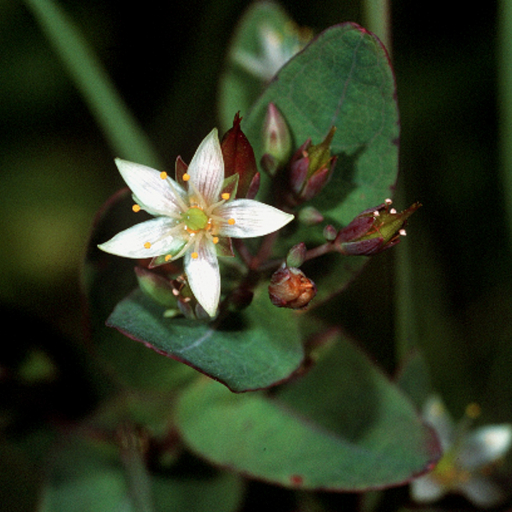
- 🌸 The "Blushing" Blooms: Small, five-petaled flowers that range from pale pink to a unique salmon or "flesh" color, often featuring prominent orange glands at the base of the petals.
- 🍃 Symmetrical Foliage: The leaves are oblong, rounded at the tips, and sit directly opposite each other on the stem, often clasping it tightly without a stalk.
- 🎨 Autumnal Shift: As the season wanes, the entire plant—leaves and stems alike—often transforms into a striking, deep reddish-purple hue that stands out in the tall grass.
🏡 In Your Garden
- 💧 The "Wet Feet" Rule: This isn't a plant for a standard dry border; it thrives in rain gardens, pond edges, or boggy patches where the soil remains consistently saturated.
- ☀️ Light and Acid: It prefers full sun to partial shade and is quite picky about its "diet," requiring acidic, peat-rich soils to truly flourish and display its best colors.
- 🐝 Pollinator Magnet: While the flowers only open for a few hours in the midday sun, they are a vital nectar source for specialized bees and hoverflies during the humid summer months.
⚠️ Safety & Toxicity
- 🌿 Low Risk: While not considered high-risk, most members of the St. John's Wort family contain compounds that can cause light sensitivity (photosensitivity) if ingested in large quantities.
- 🐾 Pet Safety: It is generally safe to handle, but it is best to keep curious pets from munching on it, as it may cause mild stomach upset or skin irritation in sensitive individuals.
✨ Fun Fact
The genus name Triadenum comes from the Greek words for "three" and "gland," referring to the three conspicuous orange honey-glands that sit between the bundles of stamens in every flower!

Detailed Care Instructions
To grow Triadenum virginicum, also known as Virginia marsh St. John's wort, follow these steps:
- Choose a suitable location: Triadenum virginicum is a perennial plant that thrives in moist, acidic soil. Select a spot in your garden with partial to full sun exposure and moist soil conditions.
- Prepare the soil: Amend the soil with organic matter like compost or peat moss to improve moisture retention and drainage. Triadenum virginicum prefers slightly acidic soil, so check the soil pH and adjust if necessary using sulfur or lime.
- Planting: Dig a hole that is slightly larger than the pot size of the plant. Gently remove the plant from its container and place it in the hole, making sure the top of the root ball is level with the soil surface. Backfill the hole with soil, and firm it around the plant to eliminate any air pockets.
- Watering: In its initial growth stages, keep the soil consistently moist but not waterlogged. Once the plant is established, it can tolerate short periods of drought, but it still prefers moist conditions.
- Mulching: Apply a 2-3 inch layer of organic mulch like bark chips or straw around the plant, leaving space around the stem. Mulching helps retain moisture in the soil and suppresses weed growth.
- Fertilizing: Triadenum virginicum generally doesn't require much fertilization. However, you can apply a balanced, slow-release fertilizer in early spring if the soil is poor in nutrients.
- Pruning: Trim any dead or damaged branches annually after your plant has finished flowering. This will help maintain its shape and encourage new growth.
- Maintenance: Regular watering, especially during dry periods, is essential. Additionally, check for any pests or diseases regularly and take appropriate measures to protect your plant.
By following these steps, you can successfully grow Triadenum virginicum and enjoy its beautiful yellow flowers and glossy foliage in your garden.

Place in a window with dappled sun or a spot in the middle of a room. Or directly in a window facing west or east.

To water this plant, it is important to first determine the soil moisture level. The best way to do this is to insert your finger into the soil up to the second knuckle. If the soil feels dry, it is time to water. When watering, make sure to thoroughly saturate the soil until water begins to drain out of the bottom of the pot or container. Allow the soil to drain for a few minutes before returning the plant to its original location. It is important not to overwater, as this can lead to root rot and other issues. It is generally best to water deeply and less frequently, rather than watering lightly and frequently. It is also important to provide good drainage to prevent water from pooling around the plant.
To fertilize the Triadenum Virginicum plant, apply a balanced fertilizer with equal amounts of nitrogen, phosphorus, and potassium in early spring before new growth begins. Avoid using high-nitrogen fertilizers as they can interfere with flower formation. Water the plant thoroughly before and after fertilizing to prevent fertilizer burn. Repeat the fertilization process every two to three weeks during the growing season. Reduce fertilization during the fall to allow the plant to prepare for winter dormancy.
The best soil to use with the plant in question should be well-draining and have a slightly acidic pH level. It is important that the soil is moist but not waterlogged, as this can lead to root rot. It is recommended to amend the soil with organic matter, such as peat moss or compost, in order to provide adequate nutrition and moisture retention. Additionally, the plant prefers full sun to partial shade, so it is important to consider the lighting conditions when selecting a planting location.
To propagate this plant, you will need to take stem cuttings during the plant's active growing season. Choose healthy stems that are around 4-6 inches long and do not have any flowers or buds on them. Make a diagonal cut just above a leaf node and remove the bottom leaves from the stem. Dip the cut end of the stem in rooting hormone powder and plant it in a pot filled with moist, well-draining soil. Cover the pot with a plastic bag or dome to create a humid environment and place it in a bright, indirect light location. Keep the soil moist but not waterlogged and wait for new roots to form, which usually takes 4-6 weeks. Once the new roots have formed, you can transplant the plant into a larger container or into your garden.








