Plant Overview
Often called the "Popcorn Tree" due to its distinctive snowy-white seeds, the Chinese Tallow Tree is a visual shapeshifter. In the autumn, it rivals the Maples of the north with brilliant displays of scarlet, purple, and gold, making it a tempting choice for ornamental landscaping. However, beneath its beauty lies a fierce competitor; originally introduced to North America in the 1700s for seed-oil production, it has since become one of the most aggressive invasive species in the Southern United States.
🔍 How to Identify
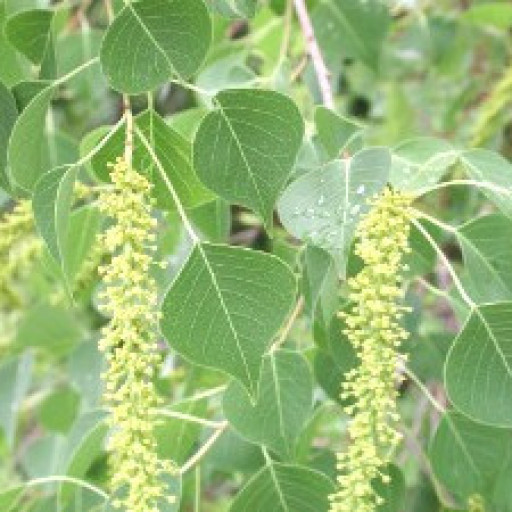
- 🍃 The Leaves: Look for broad, diamond-shaped (deltoid) leaves with a distinct pointed tip. They are smooth-edged and resemble a slightly elongated ace of spades.
- 🌾 The Flowers: In late spring, the tree produces long, dangling yellowish-green spikes called "catkins" that look like fuzzy tails hanging from the branch tips.
- 🍿 The Seeds: After the dark husks of the fruit fall away in autumn, they leave behind three waxy, chalk-white seeds that cling to the branches throughout winter, looking remarkably like clusters of popcorn.
🏡 In Your Garden
- 🌱 Aggressive Growth: This tree is famous for its "pioneer" spirit. It grows incredibly fast and can produce seeds in as little as three years, often outcompeting native oaks and pines by shading them out.
- 💧 Environmental Tolerance: It is a survivor that thrives in almost any condition, from soggy swamplands to dry urban roadsides. Because it produces chemicals that change the soil chemistry (allelopathy), it can actually prevent other plants from growing nearby.
- 🦋 Wildlife Conflict: While many birds eat the seeds and spread them far and wide, the tree offers very little nutritional value for native insect larvae compared to indigenous species.
⚠️ Safety & Toxicity
- 🚫 Status: Toxic to humans and livestock.
- 🧪 Details: The milky white sap and the leaves contain toxins that can cause skin irritation or "contact dermatitis" in sensitive individuals. If ingested, the fruit and leaves act as a severe purgative, causing significant gastrointestinal distress in humans, cattle, and horses.
✨ Fun Fact
Legend has it that Benjamin Franklin himself sent the first Chinese Tallow seeds to a friend in Georgia in 1772. He hoped the "Tallow" (the waxy coating on the seeds) would provide a sustainable source of wax for making candles and soap for the early American colonies.

Detailed Care Instructions
To grow Triadica Sebifera plant, also known as Chinese tallow tree, follow these steps:
- Climate and soil requirements: Chinese tallow trees grow well in USDA hardiness zones 8-10. They prefer well-draining soil with a pH range of 5.5-7.5.
- Seed collection or purchase: Obtain seeds from reputable nurseries or collect mature seeds from existing trees. Chinese tallow trees produce small, round seeds encased in a waxy capsule, which often turn white when mature.
- Seed preparation: Scarify the seeds by gently scratching the outer seed coat with sandpaper or by soaking them in hot water for 24 hours. This helps to break the seed coat and improve germination rates.
- Germination: Sow the scarified seeds in a seed-starting mix or in pots filled with well-draining soil. Plant the seeds about 1/2 inch deep and keep the soil consistently moist. Maintain a temperature of around 70-85°F (21-29°C) for optimal germination. Germination may take anywhere from a few weeks to a few months.
- Seedling care: Once the seedlings emerge, provide them with bright, indirect light. Gradually increase their exposure to direct sunlight over the course of a few weeks. Ensure the soil remains evenly moist but not waterlogged.
- Transplanting: When the seedlings have developed several leaves and are around 6-12 inches tall, transplant them into larger pots or directly into the ground. Choose a sunny location with well-draining soil. Space the trees at least 15 feet apart to allow for their full growth potential.
- Watering and maintenance: Chinese tallow trees require regular watering, especially during dry periods. Allow the soil to dry slightly between waterings to prevent overwatering. Mulching around the base of the tree can help retain moisture and suppress weed growth. Pruning is rarely necessary, but you can remove any dead or damaged branches to promote healthy growth.
- Fertilizer: Chinese tallow trees do not typically require additional fertilization. However, if growth is slow or leaves appear pale, you can apply a balanced, slow-release fertilizer according to the manufacturer's instructions.
- Invasive potential: Keep in mind that Chinese tallow trees are considered invasive in some regions due to their ability to outcompete native species. Check with local authorities or extension offices to ensure it is allowed to grow in your area.
Remember to research and comply with any local regulations regarding planting and growing Chinese tallow trees.

Place in a bright room that is sun drenched almost all day. Or directly in a south-facing window.

Triadica Sebifera, also known as the plant with the white seeds, is a deciduous tree that requires regular watering to thrive. To water this plant, you should first check the soil moisture level by inserting a finger into the soil. If the soil is dry, it's time to water.
You should water the plant deeply, ensuring that the water penetrates the root system. However, you should avoid overwatering, as this can lead to root rot and other fungal diseases. It's best to water this plant in the early morning or evening to avoid evaporation.
It's also important to note that Triadica Sebifera prefers well-drained soil, so make sure that excess water can easily drain away. If the plant is potted, ensure that the container has drainage holes.
Overall, regular and consistent watering is essential for the health of Triadica Sebifera.
To fertilize this particular plant, you will want to use a balanced fertilizer with equal parts nitrogen, phosphorus, and potassium. Fertilizing should only be done during the growing season, once a month. It is important to dilute the fertilizer with water before applying it to the soil. Avoid over-fertilizing as it can cause damage to the plant.
The recommended soil for the Triadica Sebifera plant is a well-draining, nutrient-rich soil that is slightly acidic. The soil should be loose, loamy, and crumbly, with good water retention capacity. It is also important to ensure that the soil has good aeration to allow for proper root development. The plant prefers soil with a pH range of 6.0 to 7.0. The soil should be kept moist but not waterlogged, as the plant does not tolerate waterlogged conditions. A mix of equal parts of peat moss, vermiculite, and perlite can create an ideal soil mix for the Triadica Sebifera plant. Adding organic matter to the soil can also help improve its nutrient content and water retention ability.
Triadica sebifera is typically propagated through stem cuttings. First, select a healthy stem with several leaves and no signs of disease or damage. Cut a 6-8 inch section of the stem just below a node. Remove the leaves from the lower third of the stem and dip the cut end in rooting hormone powder. Plant the cutting in moist potting soil, burying the cut end one-third to one-half of its length. Water the soil thoroughly and cover the pot with a plastic bag or other cover to create a humid environment. Place the pot in a bright location, but not in direct sunlight. Check the soil frequently and water as needed to keep it moist. After a few weeks, the cutting should develop roots and new growth. Once the cutting has established itself, it can be transplanted into a larger pot or directly into the ground.








