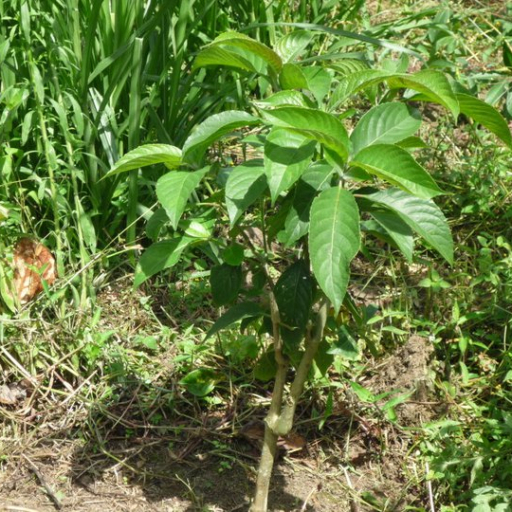
Plant Overview
Known as the "Madre de Agua" (Mother of Water), this versatile South American native is much more than just a shrub. In its homeland of Colombia and Venezuela, it is a legendary protector of springs and rivers, believed to keep water sources from ever running dry. Whether used as a high-protein "superfood" for livestock or a natural fence, this plant is a sustainable powerhouse of the tropical world.
🔍 How to Identify
- 🍃 Large, Velvety Leaves: The leaves are dark green, heart-shaped or ovate, and can grow quite large. They are arranged oppositely along the stems, giving the plant a lush, full appearance.
- 🔔 Maroon Bell Flowers: It produces striking, bell-shaped flowers that are typically a deep, wine-red or purple on the inside and a pale yellowish-green on the outside.
- 🌳 Multi-Stemmed Habit: It naturally grows as a dense, woody shrub but can reach the height of a small tree. It often forms multiple trunks, creating a thick, bushy canopy.
🏡 In Your Garden
- 💧 The Water Lover: True to its nickname, this plant thrives in wet, humid conditions. It is the perfect choice for "problem areas" in a garden that stay soggy or are near a pond, as it excels at managing high groundwater.
- ☁️ Shadow Seeker: While many tropical plants crave direct sun, the Nacedero prefers dappled light or partial shade. In the wild, it grows under the forest canopy, so it appreciates protection from the harsh midday sun.
⚠️ Safety & Toxicity
- ✅ Safe & Nutritious: This plant is non-toxic to humans and is famously used as a primary fodder for pigs, ducks, and rabbits because of its high protein content.
- 🧤 Pruning Note: While it is not poisonous, the plant grows vigorously. When pruning back its thick branches, it is wise to wear gloves to avoid minor scratches from the woody stems.
✨ Fun Fact
In many Andean communities, Trichanthera gigantea is considered a "biological indicator" of water. If you find it growing wild, it is a near-certain sign that an underground spring or a hidden water vein is close to the surface!

Detailed Care Instructions
To grow Trichanthera gigantea, also known as the Nandi flame or Brazilian glory tree, follow these steps:
- Climate: Trichanthera gigantea is native to tropical regions and thrives in a warm climate. It is best suited for USDA hardiness zones 9-11.
- Sunlight: Ensure the plant receives full sun exposure for most of the day. Provide at least six hours of direct sunlight.
- Soil: Trichanthera gigantea prefers well-draining soil. Prepare the planting hole by loosening the soil and adding organic matter, such as compost, to improve the soil structure and drainage.
- Watering: Water the plant regularly, especially during its initial growth phase. Allow the soil to dry out slightly between waterings. However, avoid overwatering.
- Fertilizer: Apply a balanced organic fertilizer during the growing season to promote healthy growth. Follow the package instructions for the appropriate dosage and frequency.
- Pruning: Trim the plant to promote bushiness and shape it as desired. Avoid heavy pruning during active growth to prevent stressing the plant.
- Mulching: Apply a layer of organic mulch, such as wood chips or dried leaves, around the base of the plant. This helps to conserve moisture, prevent weed growth, and provide nutrients as it decomposes.
- Protection from cold: Trichanthera gigantea is sensitive to frost. If you live in a region with colder winters, provide protection to the plant during frosty periods by covering it or moving it indoors temporarily.
- Propagation: Trichanthera gigantea can be propagated from seeds or cuttings. Collect seeds from mature fruits and sow them in well-draining soil, keeping it consistently moist. To propagate from cuttings, take 6-8 inch (15-20 cm) stem cuttings and root them in a mixture of peat moss and perlite or in water.
Remember that Trichanthera gigantea can grow into a large tree, reaching up to 30 feet (9 meters) in height. Ensure you have sufficient space for it to grow or consider pruning to maintain its size.
- Identify the plant: To properly water a Trichanthera Gigantea plant, you first need to make sure you have identified the correct plant species.
- Understand the watering needs: Trichanthera Gigantea plants prefer moist soil that is well-drained and not waterlogged. They require regular watering, but not too much or too little.
- Check soil moisture: Before watering the plant, check the soil moisture level. Use your finger to feel the soil. If it feels dry to touch, then it's time to water. If the soil is already moist, wait for a few more days before watering.
- Water directly: Water the plant directly at the base of the stem. Do not spray the water on the leaves or flowers as this may cause damage or encourage disease.
- Provide adequate water: Give enough water to fully saturate the soil so that it reaches the roots. Allow the excess water to drain away to prevent waterlogging.
- Frequency: Depending on the temperature and humidity of your environment, water the plant once or twice a week. In hot and dry climates, the plant may require more frequent watering.
- Monitor plant health: Regularly check the plant and observe any changes in its growth or condition. If you notice that the leaves turn brown or yellow, it may be a sign of overwatering or underwatering.
- Use a balanced fertilizer with an NPK ratio of 10-10-10.
- Apply the fertilizer to the soil around the base of the plant.
- Water the plant thoroughly after fertilizing to help distribute the nutrients.
- Fertilize every 4-6 weeks during the growing season (spring and summer).
- Reduce fertilizing during the winter months when the plant is dormant.
- Avoid over-fertilizing as it can lead to nutrient burn and damage to the plant.
Trichanthera Gigantea is a plant that prefers to grow in soil that has excellent drainage and is rich in organic matter. It should be grown in a soil that is well-draining and aerated, as the plant does not like to have soggy roots. A soil mix that includes high-quality potting soil, perlite, and coarse sand will provide a suitable environment for the Trichanthera Gigantea plant. The pH level of the soil should be slightly acidic to neutral, and the plant should be provided with regular watering to ensure the soil remains moist but not waterlogged. In addition, it is recommended to fertilize the plant with a balanced fertilizer regularly to support its growth and health.
Propagation of Trichanthera Gigantea can be done through stem cuttings. Select a healthy stem with at least three nodes and make a clean cut below the bottom node. Remove any leaves from the bottom half of the stem and dip it in rooting hormone. Plant the stem in moist potting soil and place it in a warm, bright location. Keep the soil moist and mist the cutting regularly. After a few weeks, roots should start to form and new growth will emerge from the top of the stem. Once the plant has established a strong root system, it can be transplanted into a larger pot or into the ground.








