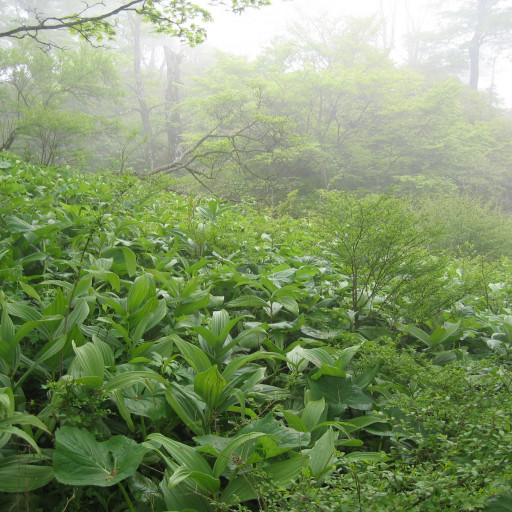
Plant Overview
Known as the "Toad Lily," Tricyrtis hirta is a woodland gem that waits for the cooling air of late summer and autumn to reveal its orchid-like splendor. Native to the damp cliffs and shaded forests of Japan, it brings a touch of the exotic to the darkest corners of your garden just when other flowers are beginning to fade. Its unique name is a nod to its speckled petals, which some say resemble the skin of a toad.
🔍 How to Identify
- 🌸 Orchid-like Blooms: Upward-facing, star-shaped flowers that are typically creamy white or pale purple, heavily dappled with intricate dark violet or magenta spots.
- 🍃 Hairy Foliage: The species name hirta literally translates to "hairy," referring to the soft, fine fuzz covering its ladder-like, bright green leaves.
- 📏 Arching Habit: Long, graceful stems that can grow up to 3 feet tall, often arching slightly as the flower clusters develop at the leaf axils and stem tips.
🏡 In Your Garden
- 💧 The Goldilocks of Moisture: This plant craves a "just right" environment—it hates "wet feet" (soggy roots) but will wilt almost instantly if the soil dries out completely. It thrives in rich, organic mulch that mimics a forest floor.
- 🐌 Slug Protection: Because it loves cool, damp, shady spots, it is unfortunately a prime target for slugs and snails. Keep an eye on the young shoots in early spring.
- 🍂 Autumn Brilliance: While most garden perennials are entering dormancy in September and October, the Toad Lily is just hitting its peak, making it essential for late-season interest.
⚠️ Safety & Toxicity
- ✅ Generally Safe: Tricyrtis hirta is considered non-toxic to humans and is not known to be a major threat to pets.
- 🐾 The "Lily" Confusion: Unlike "True Lilies" (genus Lilium), which are famously deadly to cats, the Toad Lily belongs to a different branch of the family tree and does not carry the same high level of risk. However, it is always wise to discourage pets from grazing on ornamental plants to avoid mild stomach upset.
✨ Fun Fact
In Japan, this plant is known as "Hototogisu." It is named after the Lesser Cuckoo bird because the speckled pattern on the flower petals is said to look exactly like the plumage on the bird's breast.

Detailed Care Instructions
Toad lilies are perennial flowers, returning each year. Keep in mind that in most areas of the plant's growing zones, it will bloom in early fall. However, in the more northern regions of its hardiness zone, it may bloom in late summer.
How long do toad lily blooms last?
Toad lilies bloom in the late summer to early fall and usually continue blooming for a month or so, or until frost begins to kill the foliage.
How big do toad lilies get?
Though the individual flowers are small, toad lily plants can reach up to 3 feet tall and 2 feet wide.
| Color | Purple, White |
| Soil Ph | Acidic, Neutral |
| Humidity | High |
| Lighting | Shade |
| Toxicity | Poisonous |
| Soil Type | Loamy, Moist But Well-Drained |
| Bloom Time | Summer, Fall |
| Difficulty | Easy |
| Plant Type | Perennial |
| Mature Size | 2-3 Ft. Tall, 1-2 Ft. Wide |
| Native Area | Asia |
| Sun Exposure | Part Sun To Full Shade |
| Hardiness Zones | 4-8 |
To grow Tricyrtis hirta, also known as toad lily, you can follow these steps:
- Choose the right location: Tricyrtis hirta prefers partial shade to full shade. In hot climates, it is important to provide shade during the hottest part of the day. The soil should be moist and well-draining.
- Prepare the soil: Loosen the soil in the planting area and amend it with organic matter, such as compost or well-rotted manure. This will help improve drainage and provide necessary nutrients.
- Planting: Dig a hole in the prepared soil that is slightly larger than the root ball of the Tricyrtis hirta plant. Gently place the plant in the hole and cover it with soil, firming lightly around the base of the plant. Maintain proper spacing between plants according to the specific variety you are planting.
- Watering: Tricyrtis hirta prefers consistently moist soil but does not like to be waterlogged. Water your plants regularly, especially during dry spells. Apply water at the base of the plant to avoid wetting the foliage, as this can lead to diseases.
- Mulching: Apply a layer of organic mulch around the base of the plants. This will help retain soil moisture, suppress weed growth, and regulate soil temperatures.
- Fertilizer: Tricyrtis hirta generally does not require heavy fertilization. However, you can apply a balanced, slow-release fertilizer in spring to promote healthy growth. Follow the fertilizer's instructions for application rates.
- Pruning: Tricyrtis hirta does not typically require pruning. However, you can remove any dead or yellowing leaves as needed to maintain a tidy appearance.
- Pests and diseases: Toad lilies can be susceptible to slugs and snails. Take appropriate measures to manage these pests, such as handpicking, using organic slug baits, or applying barriers like copper tape around your plants. Ensure good air circulation around the plants to prevent diseases.
- Winter care: Tricyrtis hirta is generally hardy and can withstand winter temperatures. However, you can apply a layer of mulch over the root zone in late fall to protect the plant from extreme cold.
By following these steps, you should be able to successfully grow Tricyrtis hirta plants and enjoy their unique and beautiful flowers.

Place in a window with dappled sun or a spot in the middle of a room. Or directly in a window facing west or east.

To water this plant, you should wait until the soil is slightly dry to the touch before giving it a thorough watering. Make sure to use room temperature water, as cold water can shock the plant and cause damage. Pour water directly into the soil, being careful not to get the leaves wet. Additionally, make sure the pot has drainage holes to prevent water from sitting in the soil, which can lead to root rot.
To fertilize this plant, use a balanced fertilizer with equal percentages of nitrogen, phosphorus, and potassium. Apply the fertilizer in the early spring before new growth appears and then again in mid-summer. Follow the instructions on the fertilizer packaging for application and dosage. It is important not to over-fertilize as this can cause damage to the plant.
The ideal soil for this particular plant is a well-draining, loamy soil that is rich in organic matter and has a slightly acidic to neutral pH level. It should be able to retain moisture but not become waterlogged, as this can lead to root rot. Additionally, adding a layer of mulch over the soil can help to maintain moisture levels and regulate temperature.
To propagate this particular plant, you can start by taking a cutting from the stem of the plant. The cutting should be taken from a healthy portion of the stem that is roughly 6 inches in length. Remove any leaves from the bottom 2 inches of the stem and make a clean cut just below a node.
Next, prepare a pot with well-draining soil and water it thoroughly. Then, dip the cut end of the stem in rooting hormone and plant it about 2 inches deep in the soil. Water the soil again and cover the pot with a clear plastic bag to create a humid environment.
Place the pot in a warm, bright location but not in direct sunlight. Monitor the cutting regularly and water the soil as needed to maintain a consistent level of moisture. After a few weeks, the cutting should start to develop new growth, indicating that it has successfully rooted.
Once the cutting has developed a sufficient root system, it can be transplanted into a larger pot or into the ground.
Common pests of the toadlily include Spider mites, larvae, snails. Make a habit of checking your toadlily frequently for pests so that any infestations can be caught and managed early.








