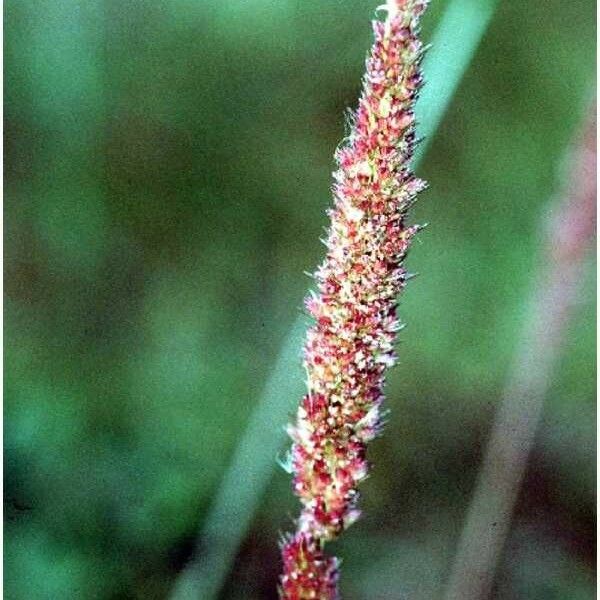
Plant Overview
Known as the Longspike Triodia, this native North American grass stands tall and proud like a series of botanical feathers. Often found swaying in the moist prairies and marshes of the South, it is a favorite for gardeners looking to add vertical structure and architectural movement to their landscape. It transitions beautifully from a lush green in the summer to a rustic, straw-tan hue as the autumn air sets in.
🔍 How to Identify
- 🌾 The "Longspike" Panicle: The most defining feature is its dense, narrow, and strictly upright flower head, which resembles a stiff brush or a heavy spike of grain.
- 🍃 Vibrant Foliage: The leaves are long, flat, and somewhat coarse, often arching gracefully away from the central stem to form a tidy clump.
- 🎨 Color Shift: The seed heads often emerge with a subtle purple or bronze tint before ripening into a golden-brown as they mature.
🏡 In Your Garden
- 💧 Clay Champion: Unlike many ornamental grasses that demand perfect drainage, Tridens strictus is a specialist in heavy clay and damp, low-lying spots where other plants might struggle.
- ☀️ Wind Resistance: Because of its sturdy, "strict" upright growth habit, it acts as an excellent natural screen that won't flop over during summer thunderstorms.
- 🦋 Wildlife Support: It provides essential cover for ground-nesting birds and serves as a host plant for several species of inconspicuous but ecologically important skipper butterflies.
⚠️ Safety & Toxicity
- ✅ Safe for All: This grass is non-toxic and generally considered safe for households with curious cats, dogs, and children.
- 🧤 Texture Warning: While not sharp like Sawgrass, the leaf margins can be slightly rough; it is best to wear gardening gloves when pruning or clearing large patches of dried winter foliage to avoid minor skin irritation.
✨ Fun Fact
The name Tridens comes from the Latin words for "three" and "tooth." If you look at the tiny scales (lemmas) of the flowers under a magnifying glass, you will see three distinct little teeth at the tip!

Detailed Care Instructions
To grow Tridens strictus, also known as the "stiff tridens" or "rough tridens" plant, you can follow these steps:
- Obtain seeds or young plants: Tridens strictus is typically grown from seeds. You can purchase seeds from reputable seed suppliers or obtain young plants from local nurseries or online plant sellers.
- Choose the right location: Tridens strictus thrives in full sun to partial shade. Make sure the chosen location receives at least 6 hours of direct sunlight per day. The soil should be well-draining and preferably loamy.
- Prepare the soil: Before planting, prepare the soil by removing any weeds or grasses. Loosen the soil to a depth of about 8-10 inches and mix in organic matter like compost or well-rotted manure to improve soil fertility and drainage.
- Planting seeds: If you are starting from seeds, sow them directly in the prepared soil in late spring or early summer when the soil temperature reaches around 60-70°F (15-21°C). Scatter the seeds evenly over the soil and gently press them into the soil surface. Avoid burying them too deep. Lightly water the area to ensure the seeds make good contact with the soil.
- Watering: Keep the soil consistently moist during the initial establishment phase. Tridens strictus prefers slightly moist soil but is fairly drought-tolerant once established. Water regularly, especially during dry spells, but avoid overwatering as this can lead to root rot.
- Weed control: In the early stages, it's crucial to control weeds around the young Tridens strictus plants. Weeds can compete for nutrients and limit the growth of your plant. Use mulch or manually remove weeds as they appear.
- Maintenance: Tridens strictus is a low-maintenance plant, requiring minimal care once established. However, periodic fertilization with a balanced slow-release fertilizer can help maintain plant health and vigor. Follow the fertilizer manufacturer's instructions for the appropriate application.
- Pruning: Tridens strictus naturally forms attractive clumps and rarely requires pruning. However, you can trim any overgrown or damaged parts as needed during the growing season.
- Propagation: Tridens strictus can also be propagated by dividing mature clumps in early spring or early fall. With a sharp spade or knife, carefully separate the clumps and replant them in a prepared area with suitable soil conditions.
- Enjoy your Tridens strictus: Once established, the plant will reward you with its graceful, arching foliage and delicate flowering spikes. Appreciate this native grass as it provides habitat and food for wildlife and contributes to the ecological balance of your garden or landscape.

Place in a bright room that is sun drenched almost all day. Or directly in a south-facing window.

To properly irrigate the Tridens Strictus plant, you should follow these guidelines:
1. Determine the moisture needs of the plant: Before watering, you should check the soil moisture level around the plant. You can do this by inserting your finger into the soil to a depth of one inch. If the soil feels dry to the touch, it is time to water. However, if the soil feels moist, you should wait a few days and check again.
2. Use the appropriate amount of water: The amount of water your Tridens Strictus plant needs will depend on a variety of factors, including the size of the plant, the type of soil, and the weather conditions. As a general rule, you should water the plant deeply once a week. This means providing enough water to soak the soil to a depth of at least six inches.
3. Water at the right time of day: The best time to water Tridens Strictus plants is in the morning or late afternoon when the sun is not as strong. Avoid watering in the evening as this can promote the growth of fungal diseases.
4. Avoid overwatering: Overwatering can be just as damaging to your plant as under watering. If you notice that the soil is consistently damp or waterlogged, you may be watering too much. To avoid this, water less frequently or reduce the amount of water you provide at each watering.
5. Consider using a drip irrigation system: Drip irrigation systems can provide a consistent and measured amount of water to your plants, reducing the risk of over or under watering. They can also help to conserve water and reduce runoff.
To properly fertilize the Tridens Strictus plant, you should begin by choosing a balanced fertilizer with equal amounts of nitrogen, phosphorus, and potassium. Then, you should dilute the fertilizer by mixing it with water according to the manufacturer's instructions. Next, apply the fertilizer to the soil around the base of the plant, taking care not to get any of the fertilizer on the leaves or stems. Finally, water the plant thoroughly to help the fertilizer soak into the soil. Repeat this process every four to six weeks during the growing season to ensure that the plant gets the nutrients it needs to grow strong and healthy.
When selecting soil for the Tridens Strictus plant, it is important to choose a well-draining soil that is rich in organic matter. The soil should be sandy or loamy with a pH ranging from neutral to slightly acidic.
To ensure proper drainage, it is recommended to mix in coarse sand, perlite, or gravel. The organic matter can come from compost, peat moss, or other similar materials that will provide nutrients for the plant.
It is also important to avoid using heavy clay soils that can hold too much moisture and cause root rot. Additionally, the soil should not be too compacted as this can restrict root growth and oxygen flow.
Regular mulching can help maintain moisture levels and encourage beneficial microorganisms in the soil. Overall, selecting the right soil for your Tridens Strictus plant plays an important role in its overall health and growth.
Tridens Strictus plant can be propagated via seed or stem cuttings. To propagate via seed, collect ripe seeds from the plant and plant them in well-draining soil. Cover the seeds lightly with soil and keep the soil moist. The seedlings should appear in a few weeks.
To propagate via stem cuttings, take a 3- to 4-inch stem cutting from a healthy plant. Remove the leaves from the bottom half of the stem and dip the cut end in rooting hormone. Plant the stem cutting in well-draining soil and keep the soil moist. The cutting should root in a few weeks.
It is also possible to propagate Tridens Strictus via division, where the plant is dug up and separated into multiple smaller plants. However, this method can be more difficult and is typically reserved for more mature plants.








