Plant Overview
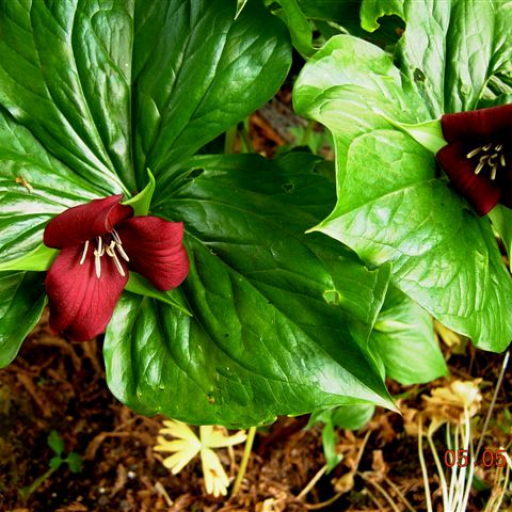
Often called the Southern Red Trillium or Furrowed Trillium, this elegant woodland perennial is a crown jewel of the Appalachian forest floor. It is a plant of strict geometry, governed by the "Rule of Three"—three leaves, three sepals, and three velvety petals. While it looks like a gem found in a fairytale, it is a slow-growing survivor that marks the peak of spring.
🔍 How to Identify
- 🌸 Deep Maroon Blooms: The flowers are typically a rich, dark burgundy or wine color, though rare creamy-white variations exist.
- 📐 Furrowed Sepals: The "sulcatum" in its name refers to the sepals (the green leaf-like parts behind the petals), which are distinctly "channeled" or grooved at the tips.
- 🍃 Diamond Whorl: Three broad, diamond-shaped leaves sit atop a single stem, forming a lush green platform for the flower to rest upon.
🏡 In Your Garden
- 🌳 The Canopy Mimic: To grow this successfully, you must recreate the forest floor. It thrives in dappled "filtered" light; direct afternoon sun is its greatest enemy and will cause the leaves to yellow and wither.
- 🍂 Leaf-Litter Luxury: It hates heavy clay or dry sand. It requires "humus-rich" soil—essentially a mix of compost and decomposed leaves—that stays consistently moist but never soggy.
- 🛑 The "No-Touch" Rule: Trilliums are notoriously sensitive to being moved. If you plant one, leave it be. They develop a deep rhizome (underground stem) that can take years to recover if disturbed by transplanting.
⚠️ Safety & Toxicity
- 🐾 Mildly Toxic: While not usually fatal, the rhizomes (roots) and berries contain saponins which can cause stomach upset, vomiting, or diarrhea in curious dogs, cats, or children.
- 🌱 Fragility Warning: Never pick the flower. Because the leaves provide all the energy for the next year’s growth, picking the bloom often kills the entire plant, as it cannot produce another leaf until the following spring.
✨ Fun Fact
Trilliums use a seed-dispersal method called myrmecochory—which is essentially "farming by ants." The seeds have a fatty, nutrient-rich attachment called an elaiosome. Ants carry the seeds back to their underground nests to feed their larvae, effectively "planting" the trillium in a protected, nutrient-rich environment!

Detailed Care Instructions
Trillium sulcatum, also known as Southern Red Trillium, is a beautiful perennial plant that grows in shady areas. Here are some tips on how to grow Trillium sulcatum:
- Planting: Trillium sulcatum prefers well-draining, organic-rich soil in partial to full shade. Plant the rhizomes in the fall, burying them about 2 inches deep in the soil.
- Watering: Keep the soil consistently moist, especially during periods of hot and dry weather. However, make sure the soil is well-draining to prevent root rot.
- Light: Trillium sulcatum thrives in partial to full shade, so make sure to plant it in an area where it will receive dappled sunlight or filtered shade.
- Mulching: Mulch around the base of the plant with organic material like shredded leaves or bark chips to help conserve moisture and keep the soil cool.
- Fertilizing: Trillium sulcatum does not require regular fertilization. However, you can add a slow-release, organic fertilizer in the spring to give the plant a nutrient boost.
- Maintenance: Remove any dead or yellowing foliage to promote new growth and prevent disease. Divide overcrowded clumps every few years to rejuvenate the plant.
- Protection: Trillium sulcatum is a deer-resistant plant, but it can still be susceptible to pest and disease issues. Keep an eye out for signs of damage and treat accordingly.
Growing Trillium sulcatum can take some patience, as it can take a few years for the plant to become established and start flowering. However, with the right care and conditions, you can enjoy the beautiful blooms of this woodland plant in your garden.

Place in a window with dappled sun or a spot in the middle of a room. Or directly in a window facing west or east.

Trillium Sulcatum plants should be watered thoroughly but infrequently. This plant prefers moist, well-draining soil, so it is important to water deeply enough to saturate the root zone without causing waterlogged conditions.
To water a Trillium Sulcatum plant, thoroughly saturate the soil around the plant until water seeps out from the drainage holes in the bottom of the pot or reaches a depth of several inches in the ground. Allow the soil to dry out slightly between waterings to prevent overwatering.
It is best to water these plants in the morning to allow excess moisture to evaporate during the day and reduce the risk of fungal diseases. Avoid watering the foliage of the plant to prevent fungal infection and water directly at the base of the plant instead.
Monitor the moisture level of the soil regularly to ensure that the plant is receiving the appropriate amount of water. Adjust the watering schedule as needed based on the plant's individual needs and environmental conditions.
To fertilize the Trillium Sulcatum plant, use a balanced, slow-release fertilizer specifically formulated for woodland plants. Apply the fertilizer in early spring before new growth emerges, following the manufacturer's instructions for dosage and application method. Be careful not to over-fertilize, as this plant is sensitive to excess nutrients. Water the plant thoroughly after fertilizing to help the nutrients penetrate the soil and reach the plant's roots. Repeat the fertilization process once a year to promote healthy growth and flowering.
Trillium Sulcatum thrives in loamy, moist, and well-draining soil that is rich in organic matter. The soil pH should be slightly acidic to neutral, ideally ranging from 6.0 to 7.0. Avoid heavy clay soils, as they can retain too much water and lead to root rot. Additionally, make sure the soil is filled with plenty of decomposed leaves or organic mulch to promote healthy growth and blooming of the plant. Regularly check the moisture levels of the soil, as Trillium Sulcatum prefers consistently damp conditions but does not tolerate waterlogging. Amend the soil with compost or peat moss if necessary to improve drainage and fertility.
Trillium sulcatum is a perennial plant that can be propagated through division or by collecting and planting its seeds.
To propagate trillium sulcatum by division, dig up the plant in the early spring while it is still dormant. Carefully separate the rhizomes into smaller sections, each with at least one growing point or bud. Replant the sections in a rich, well-draining soil in a shady location. Water the newly divided plants thoroughly and continue to keep the soil consistently moist until they become established.
To propagate trillium sulcatum from seed, collect the ripe seeds in the fall and store them in a cool, dry place until the following spring. In late winter or early spring, sow the seeds in a seed-starting mix in shallow trays or pots. Cover the seeds lightly with soil and keep them moist but not waterlogged. Place the containers in a cool, shady location until the seeds germinate. Transplant the seedlings into individual pots once they have several sets of true leaves, and continue to grow them in a shaded area until they are large enough to be planted outdoors.
Regardless of the method used, it is important to provide the young trillium sulcatum plants with the appropriate conditions, including shade, moist soil, and protection from harsh sunlight and extreme temperatures. With proper care, the propagated plants should establish themselves and continue to grow and thrive in the garden for many years to come.








