Plant Overview
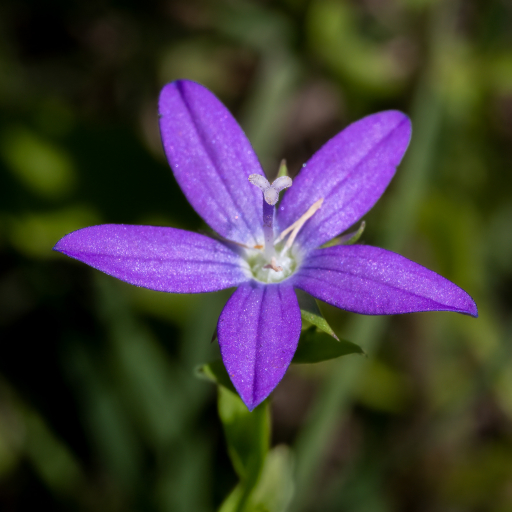
Often called the Small Venus’ Looking-Glass, this delicate wildflower is a native beauty frequently found gracing North American meadows and roadsides. It earns its poetic name from its tiny, shiny seeds, which ancient botanists thought resembled the polished hand mirrors used by the Roman goddess Venus. While it may look fragile, it is a hardy "pioneer" species that is often among the first to bring color back to disturbed soils.
🔍 How to Identify
- 💜 The Bloom: Features striking star-shaped flowers, typically deep violet or lavender, with five pointed petals and a pale center.
- 🍃 Clasping Leaves: The small, heart-shaped leaves lack stems (petioles) and appear to "hug" or wrap around the main stalk, giving the plant a unique architectural look.
- 📏 Growth Habit: It grows as a singular, upright stalk, usually reaching between 6 to 18 inches in height, rarely branching out.
- 🔒 Secret Flowers: Look closely at the lower part of the stem; the plant produces "cleistogamous" flowers that look like tiny green buds. These never actually open but self-pollinate internally to ensure the plant's survival.
🏡 In Your Garden
- 🌱 Disturbed Soil Specialist: This plant loves "low-competition" areas. If you have a spot in your garden where the soil is poor or has recently been dug up, the Venus’ Looking-Glass will likely thrive there without any extra help.
- ☀️ Sun Seeker: It thrives in full sun but is remarkably adaptable. Because it is an annual, it relies on its heavy seed production to return year after year, so avoid mulching too heavily if you want it to self-sow.
- 🦋 Pollinator Magnet: While its lower flowers self-pollinate, its upper purple stars are a favorite for small native bees and flies looking for a quick nectar snack.
⚠️ Safety & Toxicity
- ✅ Status: Generally non-toxic.
- 🐾 Details: There are no known records of Triodanis biflora being poisonous to humans, cats, or dogs. However, like many wild members of the Bellflower family, it contains mild saponins and is not considered an edible plant for culinary use. It is best enjoyed as a visual treat in the wild.
✨ Fun Fact
The name "Looking-Glass" isn't just a myth—the genus name Triodanis comes from Greek words meaning "three teeth," referring to the shape of its seed capsules. When the sun hits the tiny, smooth seeds inside, they reflect light just like a miniature mirror!

Detailed Care Instructions








