Plant Overview
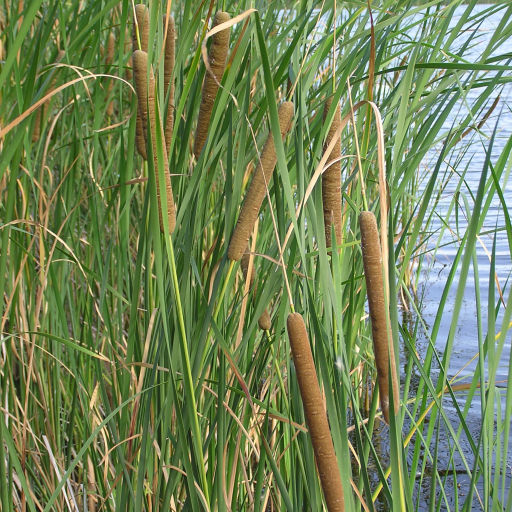
Known as the Narrowleaf Cattail, this elegant wetland resident is often seen swaying gracefully along the edges of ponds, marshes, and ditches. While its broader cousin is more famous in North America, this slender variety brings a refined, architectural silhouette to any water feature. Often called the "supermarket of the swamp," it has provided food, shelter, and weaving materials to humans for thousands of years.
🔍 How to Identify
- 🌿 The Slender Leaf: As the name suggests, the leaves are thin and strap-like, rarely exceeding half an inch in width, featuring a deep, grassy green color.
- 🌭 The "Gap" Spike: The iconic brown flowering spike is divided into two parts. This variety is uniquely identified by a distinct 1–4 inch gap of bare stem between the fluffy male portion at the top and the velvety female "cigar" below.
- 📏 Stately Height: This plant can reach heights of 3 to 7 feet, creating a dense, vertical screen that provides excellent privacy or a backdrop for smaller aquatic plants.
🏡 In Your Garden
- 💧 Wet Feet Only: This is an obligate wetland plant. It doesn't just like water; it needs it. If you're planting it in a garden pond, always use a submerged container to prevent its aggressive rhizomes from "walking" and taking over the entire water feature.
- 🌾 Natural Filter: Beyond its looks, it acts as a powerful bio-filter. Its root system is incredible at absorbing excess nutrients (like nitrogen and phosphorus), helping to keep your pond water clear and preventing algae blooms.
⚠️ Safety & Toxicity
- 🐾 Pet & Child Safety: Typha angustifolia is generally considered non-toxic to touch. However, the fluffy seeds can be a respiratory irritant if pulled apart, and the tough fibers are a choking hazard for curious pets.
- 🧪 The Sponge Effect: Be cautious; cattails are "bio-accumulators." They are so good at cleaning water that they store heavy metals and pollutants from the soil in their tissues. Never handle or experiment with wild cattails growing in urban runoff or industrial areas.
✨ Fun Fact
[The "Fluff" Factor:] During World War II, the silky "fluff" from mature cattail heads was harvested and used to stuff life jackets and flight suits when other materials were in short supply!

Detailed Care Instructions
| Humidity | High |
| Lighting | Full Sun |
| Toxicity | Poisonous |
| Difficulty | Easy |
| Hibernation | Cold Period |
| Hardiness Zones | 5 - 9 |
To grow Typha angustifolia, also known as narrowleaf cattail, you can follow these steps:
- Select a suitable location: Typha angustifolia plants prefer wet environments, so choose a spot near a pond, lake, or in a container with enough water to keep the roots consistently moist. They can handle full sun or partial shade.
- Prepare the soil: Typha angustifolia can adapt to a variety of soil types but prefers wet, loamy soil. Loosen the soil and remove any weeds or debris from the planting area.
- Plant the seeds or rhizomes: Typha angustifolia can be propagated from seeds or rhizomes. If using seeds, sow them directly into the soil or in seed trays filled with moist soil. If using rhizomes, plant them about 2-3 inches deep in the soil.
- Keep the soil moist: Water the plant regularly to keep the soil consistently moist, as Typha angustifolia requires a waterlogged environment. Consider using a tray or saucer under potted plants to maintain sufficient moisture.
- Provide ample sunlight: Typha angustifolia prefers full sun but can tolerate some shade. Make sure the plants receive at least 6 hours of direct sunlight each day.
- Monitor for pests and diseases: Check the plants regularly for any signs of pests or diseases. Treat any problems promptly to ensure healthy growth.
- Prune as needed: Typha angustifolia can spread rapidly, so remove any excess growth or dead foliage as necessary. This will help maintain a tidy and healthy appearance.
- Fertilize occasionally: While Typha angustifolia does not require heavy feeding, you can provide a balanced, slow-release fertilizer once or twice during the growing season to promote robust growth.
Remember that Typha angustifolia can become invasive if not adequately controlled, so be cautious if planting it in natural water bodies. Consult local regulations before introducing it into the environment.

Place in a window with dappled sun or a spot in the middle of a room. Or directly in a window facing west or east.

To water this plant, one should ensure that the soil is always moist, but not completely saturated. It is important to avoid letting the soil dry out for extended periods of time or letting the plant sit in standing water. Watering should be done regularly, preferably once or twice a week depending on the climate and soil type. It is also beneficial to use a slow-release fertilizer during the growing season to encourage healthy growth. When watering, it is best to avoid getting water on the leaves or flowers to prevent the spread of disease or pests.
To fertilize this plant, you should use a balanced fertilizer with an N-P-K ratio of 10-10-10. Apply the fertilizer in early spring, just before the plant begins to grow. Use a slow-release or granular fertilizer and apply it according to the manufacturer's instructions. Be sure to water the plant thoroughly after fertilizing to ensure the nutrients are absorbed by the roots. Avoid over-fertilizing as it can damage the plant and negatively impact its growth.
For optimal growth, the plant requires soil that is rich in nutrients and organic matter. The ideal soil should be slightly acidic with a pH range of 5.5 to 7.5. It is recommended to use loamy or sandy soil with good drainage to prevent waterlogging. The plant does well in moist to wet soil conditions, but it can also tolerate some degree of drought. It is important to avoid soil that is contaminated with heavy metals or pollutants, as this can affect the plant's growth and quality. Adding organic compost or fertilizer to the soil can help to improve its nutrient content and overall health.
To propagate this plant, collect mature seeds from the parent plant during the fall before they disperse. Soak the seeds in water for a few days and then plant them in a soil-free growing medium. Keep the soil moist and the temperature warm, around 75 degrees Fahrenheit. After a few weeks, the seeds should germinate and produce small seedlings. Once the seedlings have grown large enough, they can be transplanted into a soil-based potting mix or directly into the ground in a wet or marshy area. If propagating by division, separate the parent clump into smaller sections with a sharp knife or spade, ensuring that each section has roots and foliage. Plant each section in its own container or in the ground in a damp area. Water the new plants regularly to keep the soil moist and encourage growth.








