Plant Overview
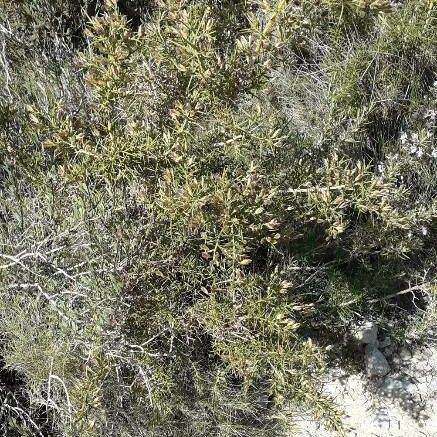
Known as the Mediterranean Gorse, this sun-loving shrub is a golden warrior of the dry hillsides. Native to the rocky coasts of Spain and France, it earns its nickname "Small-flowered Gorse" because of its dainty, pea-like blooms that appear when most of the world is still shivering in winter. It’s a plant that thrives on neglect, turning harsh, nutrient-poor soil into a vibrant carpet of gold.
🔍 How to Identify
- 🌿 The Spines: Instead of traditional leaves, this plant is covered in stiff, needle-like green spines (phyllodes) that protect it from hungry animals and help it conserve water in scorching heat.
- 🌼 The Flowers: The blooms are bright, buttery yellow and shaped like tiny pea blossoms. Despite the "small-flowered" name, they grow so densely that they can almost hide the rest of the plant.
- 🌳 Growth Habit: It forms a dense, rounded mound that looks soft from a distance but is incredibly prickly to the touch, often reaching up to 1.5 meters in height.
🏡 In Your Garden
- ☀️ Sun-Drenched Survivor: This plant is the ultimate "set it and forget it" choice for coastal or rock gardens. It craves full sun and actually prefers poor, sandy, or rocky soil over rich potting mixes.
- 🔥 Fire Caution: Because its wood contains natural oils and its dense structure traps dead needles inside, it is highly flammable. Avoid planting it directly against the walls of your home in fire-prone regions.
- 🌱 Soil Improver: Like many members of the legume family, it has a secret superpower—it "fixes" nitrogen in the soil, making the ground more fertile for neighboring plants over time.
⚠️ Safety & Toxicity
- 🌵 Physical Risk: While not traditionally toxic to touch, the spines are exceptionally sharp. They can easily pierce gardening gloves and cause painful scratches or skin irritation.
- 🐾 Pet & Child Safety: It is generally not considered poisonous if accidentally nibbled, but the physical danger of the spines makes it a poor choice for areas where children or curious pets play.
- 🩹 Infection Watch: Because gorse often grows in dusty environments, scratches from the spines should be cleaned immediately to prevent minor skin infections.
✨ Fun Fact
In its native Mediterranean home, the Small-flowered Gorse is a vital "pioneer species." It is often the first plant to grow back after a forest fire or a landslide, stabilizing the earth and preparing the soil so that more delicate trees can eventually return.

Detailed Care Instructions

Place in a bright room that is sun drenched almost all day. Or directly in a south-facing window.

When the top few inches of soil dry out, water your plants. If the top few inches of soil are still moist, do not water your plant. Wait a few days, then poke your finger into the soil to see if anything has changed. Overwatering poses a disease risk, such as the development of fungal diseases in the roots. These plants have adaptations in there leaves that allow them to survive in low water supply.








